At what age should you start using anti-aging products?
The question seems simple. And yet, it keeps coming up, sometimes with a little anxiety behind it. At what age do we start? Do we "have the right" to use an anti-aging serum at 25? Is it too late at 40? Will anti-aging "accustom" the skin? Or damage it? Or, on the contrary, save it?
In reality, there's a short answer, and a useful answer.
The short answer: you don't start anti-aging at a specific age. You start when the skin's biology justifies it, and when the risk of cumulative alterations becomes measurable. And that happens sooner than you think, but not necessarily in the form of an aggressive anti-wrinkle cream.
The useful answer: it all depends on what you call "anti-aging." Preventing is not correcting. Protecting is not stimulating. And treating is not repairing.
We're going to clear this up, calmly. With scientific wording, but without pretending that skin is a perfect equation.
What "anti-aging" means, scientifically
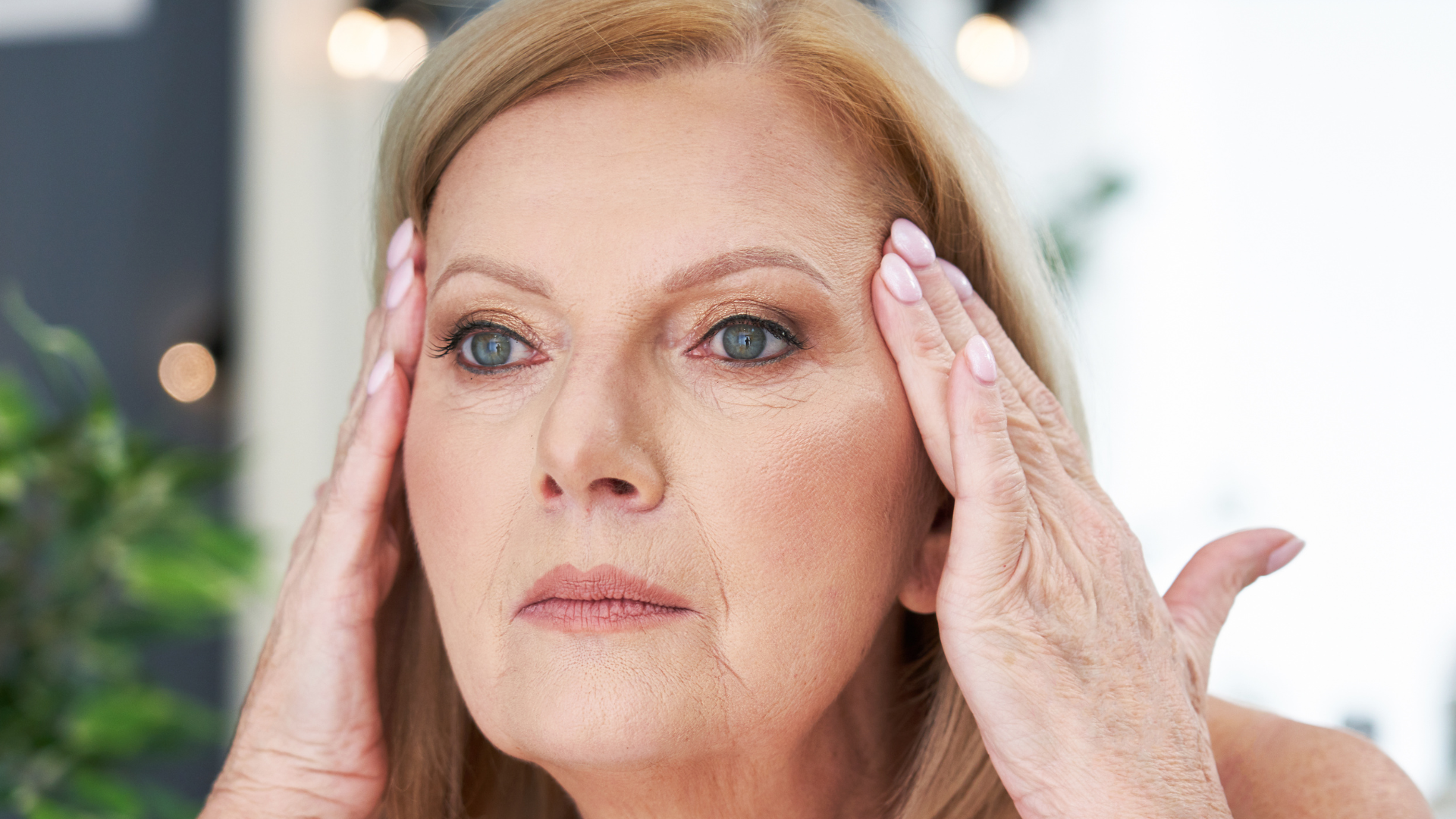
In dermatology, anti-aging is not a product; it's an objective. We aim to limit or compensate for the mechanisms of skin aging, which are broadly divided into two blocks:
- Intrinsic aging: genetic, hormonal, metabolic. Inevitable, slow, rather subtle and regular.
- Extrinsic aging: UV, pollution, tobacco, oxidative stress, sleep, nutrition, chronic inflammation. Partially avoidable, faster, more visible. This is what "tips" the skin.
And in the skin, this aging translates into concrete things: a progressive decrease in collagen (especially collagen I), alteration of elastin, decrease in endogenous hyaluronic acid, slowdown of cell renewal, weakening of the skin barrier, increase in UV-induced metalloproteinases (MMPs), and pigmentary deregulation.
So yes, anti-aging, in the premium and serious sense, means:
- protecting (photoprotection, antioxidants, barrier),
- maintaining (physiological hydration, lipids, controlled micro-inflammation),
- stimulating (retinoids, peptides, signaling factors),
- correcting (pigmentation, texture, established wrinkles, sagging).
The right timing is above all the right approach, at the right moment.
The age when it truly begins in the skin
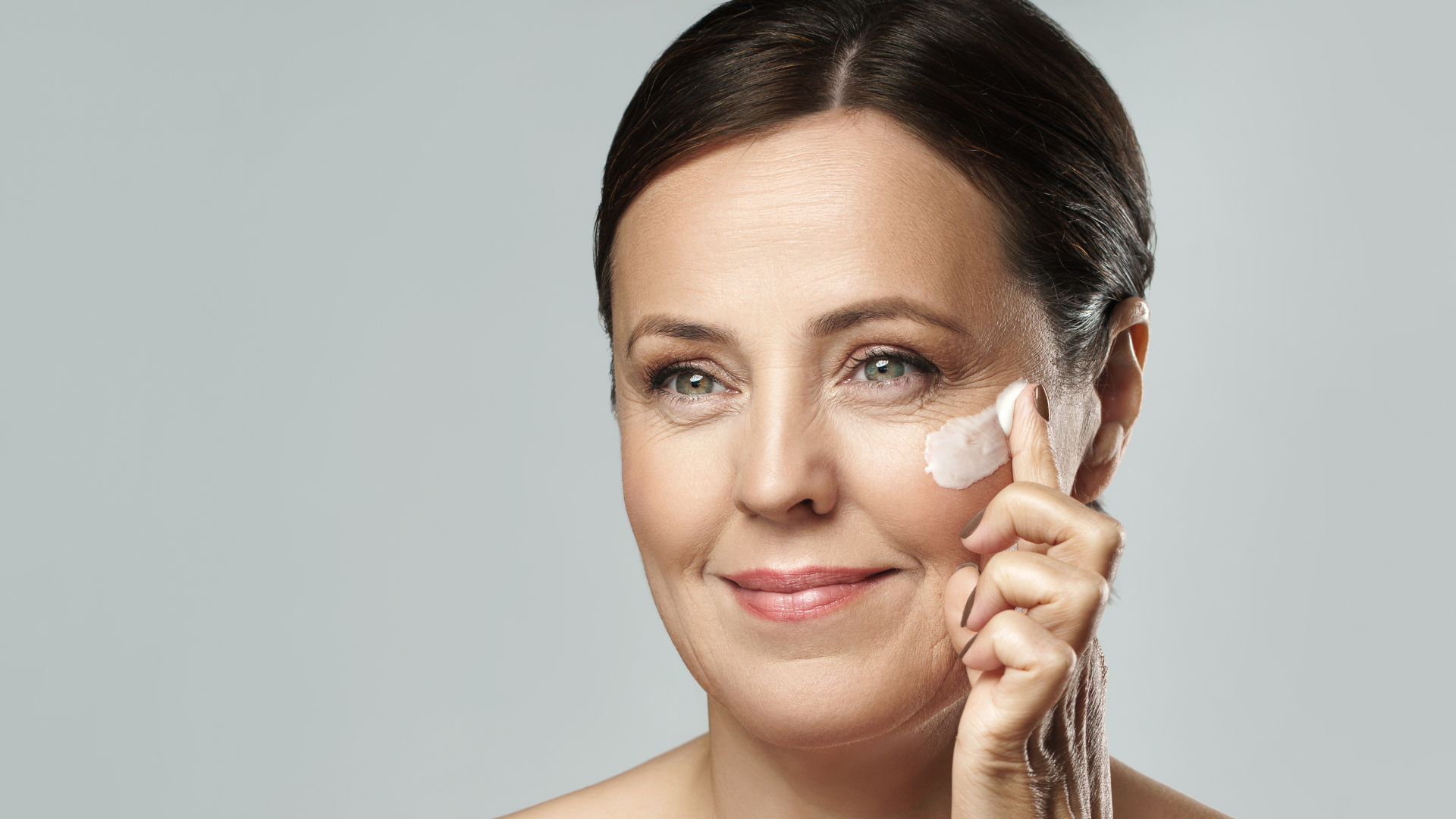
The skin doesn't wake up one morning at 30 and decide to age.
Biological data suggest that certain curves begin to evolve gradually from the twenties. Typically:
- The peak of collagen production is reached quite early, then the synthesis vs. degradation balance gradually reverses.
- Cumulative oxidative stress increases with repeated exposures, especially UV.
- The skin barrier can be weakened by overly harsh routines, which accelerates low-grade inflammation.
And this is where many make a mistake: they associate anti-aging only with "visible wrinkles." However, prevention happens before that.
So the real question becomes: does your anti-aging strategy start at 20, 25, 30? Yes, if we're talking about prevention. No, if we're talking about intensive treatment.
20 to 25 years old: anti-aging is mainly photoprotection
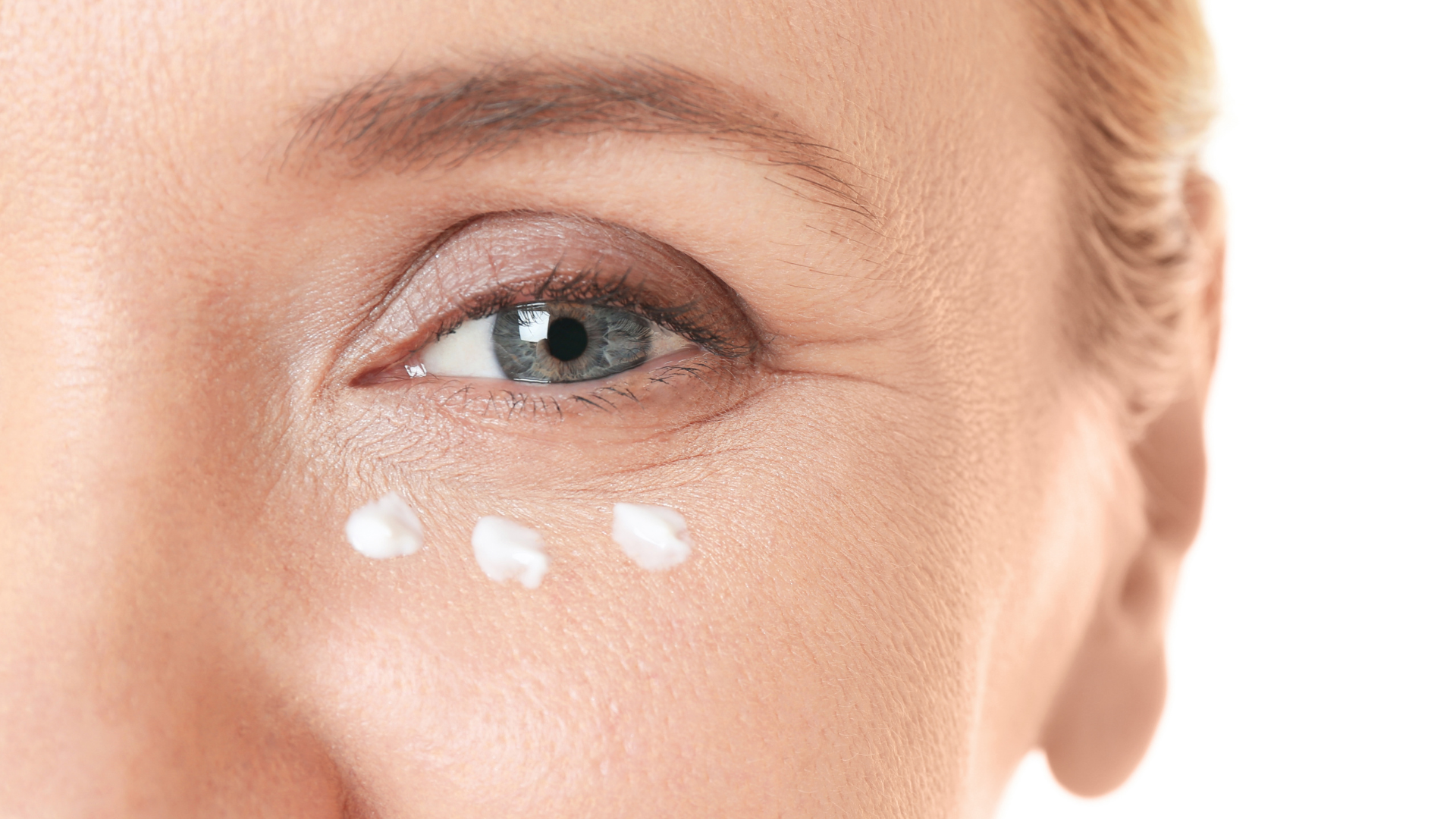
If you are 20, 22, 25 years old and you want to do things properly, the number 1 anti-aging active is... SPF. Not sexy, but undeniable.
UVs induce photoaging via:
- production of free radicals,
- activation of MMPs that degrade collagen and extracellular matrix,
- alteration of fibroblasts,
- pigmentary irregularities.
So the basics are:
- Daily SPF 50 if exposed, ideally broad-spectrum UVA/UVB,
- reapplication if outdoors for extended periods,
- sunglasses, hat, and yes, shade too.
At this age, the rest of "anti-aging" should remain physiological:
- moisturizers with glycerin, ceramides, fatty acids,
- niacinamide at a reasonable dose if mixed skin, pores, redness,
- gentle antioxidants in the morning (well-formulated vitamin C, or stable derivatives if sensitive skin).
What we often rightly avoid: strong retinoids and aggressive exfoliating acids "because TikTok." Young skin doesn't need to be in a permanent state of micro-inflammation to "prevent." That's a false good idea.
25 to 30 years old: active, but intelligent prevention
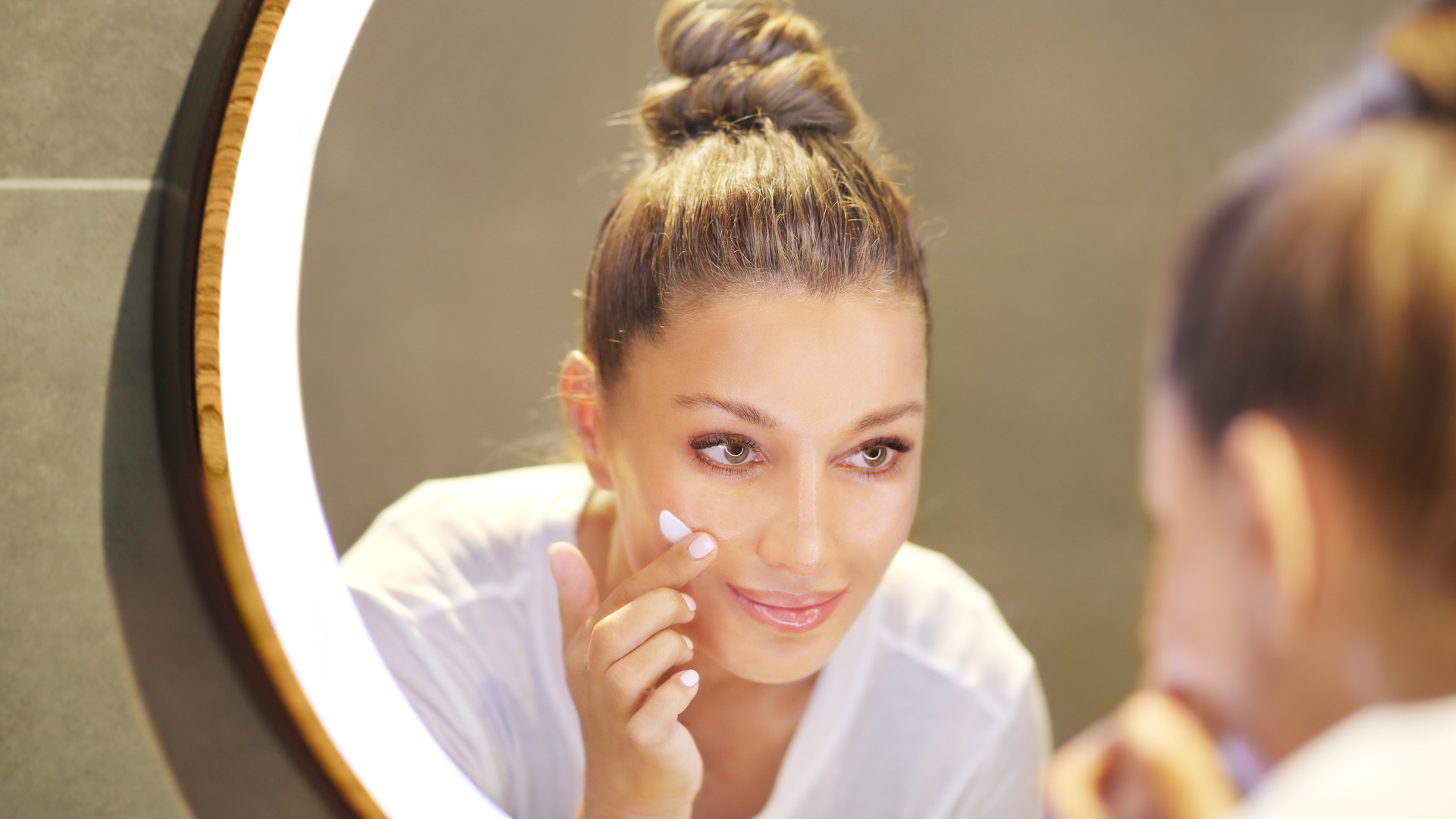
Around 25 to 30 years old, many people start to see very subtle signs: first dehydration lines, less "plump" complexion after a poor night's sleep, more stubborn post-inflammatory marks, or a slightly less smooth texture.
Here, active prevention can be added, without resorting to heavy artillery.
Premium and consistent options:
- vitamin C (antioxidant, collagen synthesis support, radiance, even skin tone),
- peptides (signaling, barrier support, comfort),
- hyaluronic acid, but as a humectant, not a miracle,
- light retinoid or low-strength retinol, if tolerated, 2 to 3 evenings a week.
The keyword: tolerance. Because the best anti-aging routine is one that doesn't destroy your barrier and that you can stick with for 5 years.
And yes, this is also the age when targeted patches become interesting, not as a "magic eraser," but as a local support strategy.
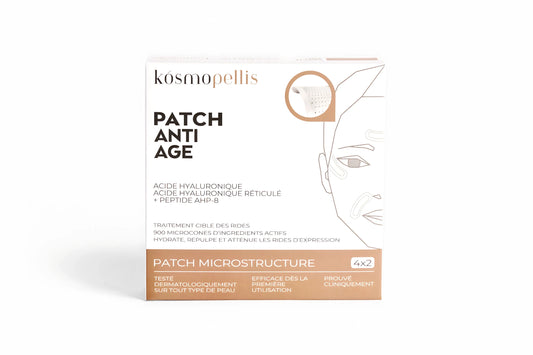
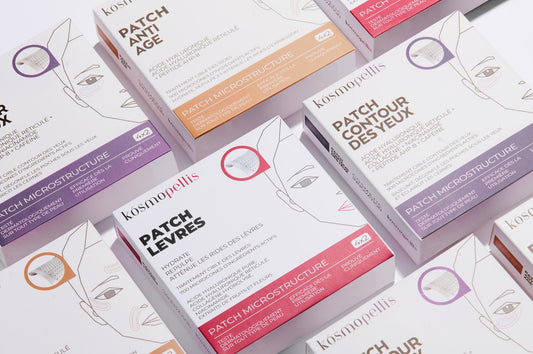
Focus: Kosmopellis anti-aging patch
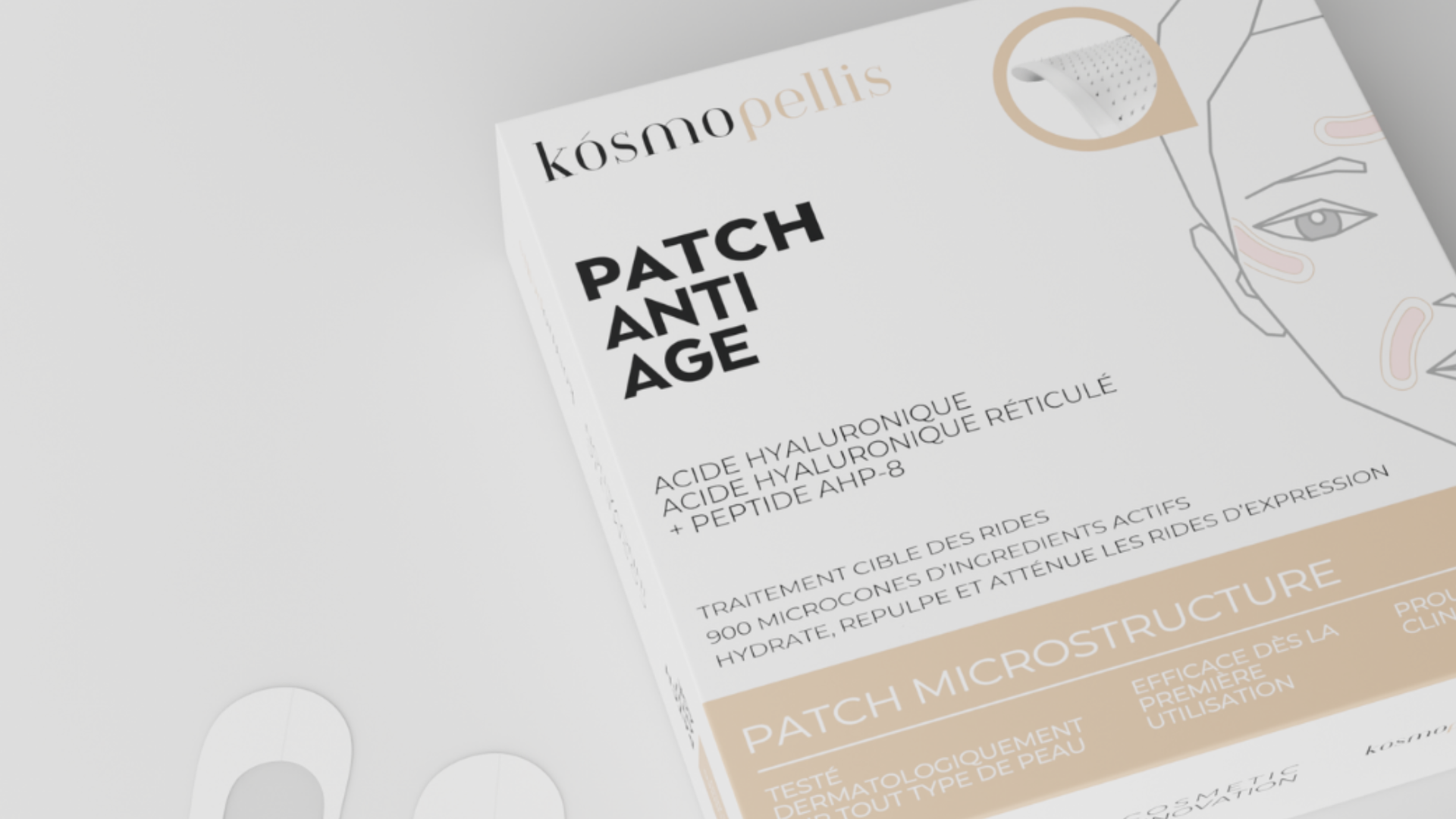
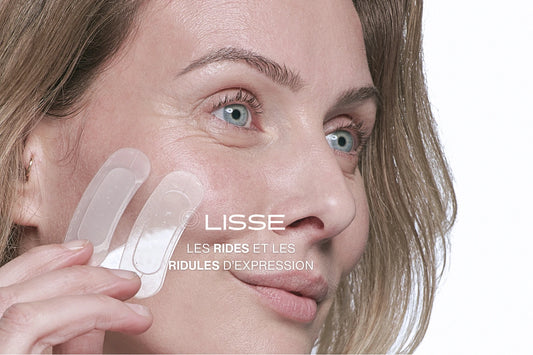
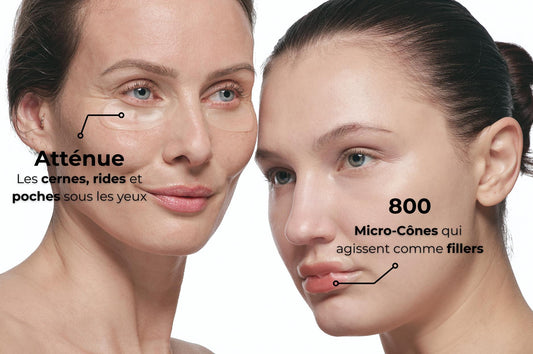
There's a rising category that makes sense when well thought out: anti-aging patches. Especially for areas where the skin is thin and where dehydration or micro-creases first appear.
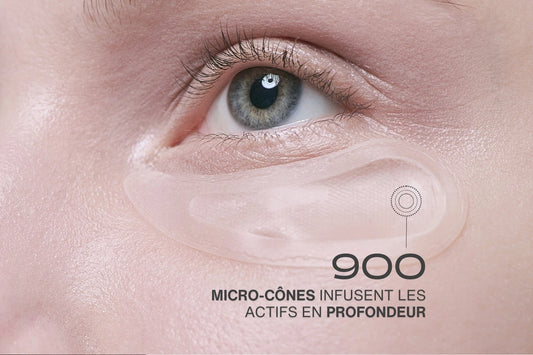
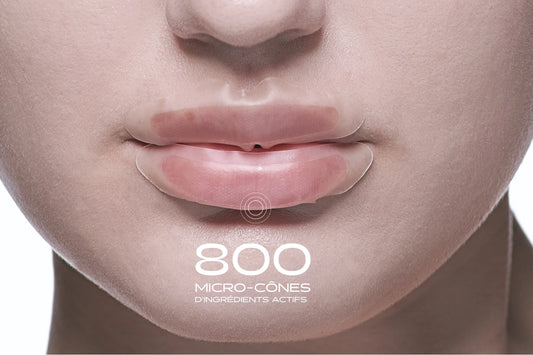
The Kosmopellis anti-aging patch fits into this "targeted" logic. The benefit of a premium patch isn't just sticking something on. It's controlled occlusion, which increases the hydration of the stratum corneum, temporarily improves the appearance of fine lines, and can optimize the local diffusion of certain active ingredients.
In practice, this type of patch can be relevant:
- before an event, for a quick visual effect on dehydration lines,
- as a complement to a well-constructed routine, especially if the area is fragile,
- when you want to avoid overloading the entire face with irritating active ingredients, just to treat a specific area.
Important note: a patch does not replace SPF, retinoids, or a healthy skin barrier. But in premium skincare, the right tools are often intelligent complements, not replacements.
30 to 40 years old: the moment when anti-aging becomes "structural"
From the age of 30, and even more so towards 35, more structural changes are often observed: expression lines that linger a bit, persistent loss of radiance, more visible pores, very slight sagging, appearance of spots or pigmentary irregularities.
This is where anti-aging becomes a strategy, not just a cream.
The most documented pillars:
- retinoids (retinol, retinal, tretinoin under medical advice): increased cell renewal, collagen stimulation, improved texture, fine lines, dyschromias,
- azelaic acid (for redness, adult blemishes, spots),
- vitamin C in the morning + systematic SPF,
- niacinamide for barrier, sebum, inflammation, spots,
- peptides as support, especially if the skin becomes more reactive.
The real mistake at this age: multiplying active ingredients "like a buffet." Too many layers, too much exfoliation, too many new things. The skin doesn't like instability.
A simple, premium routine often works better:
- morning: antioxidant + barrier moisturizer + SPF,
- evening: retinoid (gradual) + lipid hydration,
- 1 to 2 times a week: gentle exfoliation if needed, not a punishment.
And yes, targeted patches like the Kosmopellis anti-aging patch can remain useful, especially for the eye contour or marked areas, provided they don't irritate.
40 and older: treat, repair, support, without being harsh
After 40, the skin also changes because the context changes. Less dermal density, sometimes more unpredictable inflammatory response, more frequent dryness, and depending on the person, an acceleration around perimenopause.
You can absolutely start anti-aging at 40, 45, 50. And get visible results. Simply, we aim for:
- improvement of skin quality (texture, luminosity, comfort),
- support of the matrix (collagen, elastin),
- progressive pigmentary correction,
- reduction of chronic inflammation,
- consolidation of the barrier (ceramides, cholesterol, fatty acids).
Retinoids remain a gold standard, but tolerance dictates the method: lower frequency, enveloping formulas, alternation, and serious hydration.
And at this age, we can also accept that cosmetics have a limit. A respectable, but real, limit. Some deep wrinkles, some significant sagging, are more amenable to medical procedures, if that's your choice. This is not a failure of skincare. It's just biology.
Classic mistakes that sabotage anti-aging
I'm putting them here because they are very common.
- Believing that the more it stings, the more it works.
- Multiplying exfoliating acids and "polishing" the skin every day.
- Forgetting UVA in the city, behind windows, in winter.
- Changing products every week, thus never letting a strategy work.
- Neglecting the neck, eye contour, and hands. Then being surprised.
- Wanting a result in 10 days for a biological process that takes months.
Anti-aging is a low-intensity but high-regularity investment. It's almost frustrating at first. But then one day, you realize you're aging better than expected.
Conclusion: the ideal age is when you start correctly
If I had to summarize, without selling dreams.
- From 20: SPF, barrier, gentle antioxidants.
- From 25 to 30: active prevention, possibly light retinoid if tolerated, and targeted tools like a Kosmopellis anti-aging patch if it fits your needs.
- From 30 to 40: structural strategy, well-managed retinoids, pigment correction, stable routine.
- After 40: repair, support, treat intelligently, strengthen the barrier, accept limits, aim for skin quality.
You don't need an official age. You need a simple, coherent, scientifically sound plan, and calm skin.
That's the real luxury in anti-aging. Skin that feels good, and a routine you don't hate doing.