How Glycation Accelerates Aging and How to Avoid It
Have you ever wondered why your skin gradually loses its radiance and firmness over time? Glycation represents one of the most insidious biological mechanisms of aging, second only to oxidative stress. This spontaneous biochemical process occurs when sugar molecules bind to proteins in your body, creating harmful compounds called advanced glycation end-products (AGEs). These AGEs accumulate in your tissues, particularly in the collagen and elastin of your skin, accelerating the appearance of wrinkles, skin sagging, and a dull complexion.
Understanding glycation related to aging becomes essential if you want to preserve your skin's youth. This phenomenon is not limited to your appearance: it also affects your blood vessels, tendons, kidneys, and even your neurons. The good news? You can take concrete action to slow down this process and protect your long-term health.
Mechanisms of glycation: how does it happen in our body?

Glycation begins with a Maillard reaction, a spontaneous biochemical process that occurs when sugar molecules (glucose or fructose) come into contact with proteins. This reaction, which requires no enzymatic intervention, proceeds in several progressive steps in your tissues.
Here's how the process unfolds:
- Initial phase: reducing sugars bind to the amino groups of proteins, forming unstable Schiff bases
- Intermediate phase: these compounds rearrange to create more stable Amadori products
- Advanced phase: after weeks or months, these compounds transform into advanced glycation end-products (AGEs)
Glycated proteins accumulate particularly in slow-turnover tissues. The collagen and elastin in your skin become prime targets for this reaction. These structural proteins, essential for skin firmness and elasticity, undergo irreversible modifications that alter their function.
AGEs create cross-links between collagen fibers, stiffening the normally supple structure of your skin. This progressive accumulation transforms your skin proteins into dysfunctional structures that lose their ability to maintain hydration and tissue resilience.
The visible and invisible effects of glycation on our skin and health

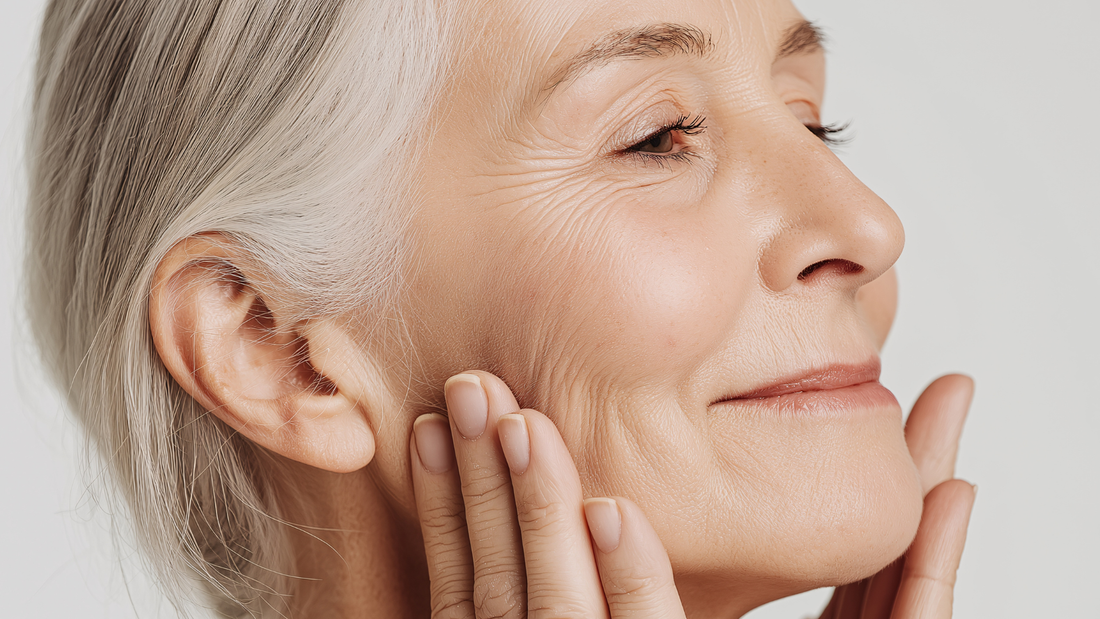
Glycation leaves visible traces that reveal premature skin aging. You first notice the appearance of deeper and more numerous wrinkles, as glycated collagen and elastin fibers lose their natural flexibility. Your skin gradually sags, creating skin laxity particularly visible around the cheeks, face contour, and neck. The complexion becomes dull and yellowish, a direct result of AGE accumulation in skin tissues. Pigmentation problems intensify, giving your skin an uneven and aged appearance.
The damage extends far beyond the skin surface. AGEs accumulate in your deep connective tissues:
- Tendons and ligaments: stiffness increases, reducing your joint mobility
- Blood vessels: the vascular wall stiffens, promoting hypertension and cardiovascular diseases
- Kidneys: filtration structures gradually deteriorate
- Retina: damage contributes to age-related vision problems
- Neurons: AGE accumulation contributes to neurodegenerative processes
Glycation triggers a vicious cycle of inflamm'aging, the chronic low-grade inflammation that accelerates aging. AGEs activate specific cellular receptors (RAGE), causing a continuous inflammatory cascade. This chronic inflammation increases the production of free radicals, which in turn further promote glycation. You are faced with a self-sustaining process that accelerates the development of age-related diseases: type 2 diabetes, cardiovascular diseases, cataracts, osteoarthritis, and neurodegenerative pathologies.
Factors that promote glycation in our daily lives

Your sugar-rich diet is the primary trigger for glycation in your body. Simple sugars found in sodas, pastries, candies, and ultra-processed foods drastically increase your blood glucose levels. This elevation creates an environment conducive to the spontaneous reaction between sugar molecules and your proteins, thus accelerating the formation of AGEs. Processed foods also contain pre-formed AGEs that you ingest directly, doubling the impact on your aging GLYCATION.
High-temperature cooking is an often-overlooked aggravating factor. When you grill, roast, or fry your food above 180°C, you intensely trigger the Maillard reaction. This chemical reaction between sugars and proteins produces that appetizing golden color on your grilled meats and fries, but it simultaneously generates a massive amount of AGEs. The following cooking methods particularly amplify this phenomenon:
- Barbecue grilling
- Deep-frying
- Prolonged oven roasting
- Excessive caramelization
Your alcohol consumption, combined with these eating habits, intensifies AGE production and exponentially accelerates the cellular aging process.
Dietary strategies to fight glycation and accelerated aging

The anti-glycation diet is based on simple but effective principles. You should prioritize low-glycemic foods that release glucose slowly into your blood, thus reducing sugar spikes responsible for AGE formation. Green vegetables, legumes, whole grains, and low-sugar fruits form the basis of this nutritional approach.
Preferred cooking methods
Your cooking methods play a crucial role in preventing glycation. Here's what you should do:
- Steam cook
- Cook at low temperature
- Consume raw foods
These techniques significantly limit the formation of glycation products. You should keep cooking temperatures below 180°C and avoid grilling, frying, and excessive caramelization.
Foods rich in antioxidants
Antioxidants are your essential allies in this fight. They neutralize free radicals generated by glycation and protect your cells from oxidative stress. Here are some sources of antioxidants you can include in your diet:
- Red fruits: blueberries, raspberries, blackberries
- Green tea: rich in polyphenols
- Colorful vegetables: spinach, broccoli, peppers
- Omega-3 fatty acids: fatty fish, flaxseeds, nuts
This nutritional strategy allows you to reduce the accumulation of AGEs while strengthening your natural defenses against premature aging.
Dietary supplements and natural agents to combat glycation
Beyond dietary adjustments, you can strengthen your defense against glycation with targeted supplements. Carnosine stands out as one of the most powerful natural inhibitors of AGEs. This dipeptide, naturally present in muscle tissues, acts by binding directly to reducing sugars before they can react with your proteins. Carnosine thus blocks the formation of advanced glycation end-products at the source and protects the collagen and elastin in your skin.
Resveratrol, a polyphenol found in red grapes and some berries, complements this action with its exceptional antioxidant properties. It neutralizes free radicals generated by the glycation process and reduces chronic inflammation associated with AGE accumulation. Coenzyme Q10 also represents a valuable ally in this fight, by strengthening your cells' antioxidant defenses against oxidative damage induced by glycation.
Anti-glycation dermo-cosmetic care to preserve your skin's youth

Anti-glycation dermo-cosmetic care represents an essential external approach to combat aging GLYCATION and protect your skin from damage caused by AGEs. You should look for targeted formulations that act directly on the mechanisms of glycation at the skin level.
Active ingredients to prioritize
Vitamin C is among the most effective ingredients in your anti-glycation arsenal. It neutralizes free radicals generated by glycation and stimulates new collagen synthesis to replace damaged fibers. You also benefit from its brightening action which combats the dull complexion caused by AGEs.
Vitamin E complements the action of vitamin C by protecting cell membranes against oxidative stress linked to glycation. This antioxidant synergy significantly strengthens your skin's defense.
Hyaluronic acid plays a crucial role in an anti-glycation routine. It ensures optimal hydration that maintains skin suppleness and compensates for the stiffening of glycated collagen fibers. You will notice plumper skin that is better armed against the signs of aging.
Serums concentrated in niacinamide (vitamin B3) also deserve your attention, as they inhibit AGE formation while improving the skin barrier and complexion radiance.
Conclusion
Glycation prevention represents an essential pillar in the fight against premature aging. You have discovered how aging GLYCATION accelerates the degradation of your skin and tissues through the accumulation of AGEs.
The strategies you can implement today include:
- Adopting a low-glycemic diet, rich in antioxidants
- Prioritizing gentle, low-temperature cooking methods
- Incorporating supplements like carnosine and resveratrol
- Using targeted dermo-cosmetic care containing vitamins C and E
- Maintaining rigorous daily sun protection
You now hold the keys to slowing down this aging process. The most effective approach combines these different strategies into your daily routine. Every action counts: from your plate to your beauty ritual, you can take concrete action against glycation and preserve your skin's youth long-term.