How Melanin Influences Your Skin
Melanin is a key player in the pigmentation of skin, hair, and eyes. This natural pigment, produced by the body, plays a dual role: it determines your skin color and acts as a true shield against external aggressions, particularly the sun's UV rays.
In this article, you will discover:
- How melanin influences the diversity of skin tones worldwide.
- The different types of melanin and their impact on skin pigmentation.
- The production process of this pigment and its importance for skin health.
- The effects of UV rays and the natural protective responses provided by melanin.
- Possible imbalances in its production and their visible or invisible consequences.
Understanding the fundamental role of this pigment will enable you to adopt a more informed approach to daily skin care.
The different types of melanin and their roles

Your skin color primarily depends on two types of pigments: eumelanin and pheomelanin. These two forms of melanin are distinguished by their chemical structure, color, and function in skin pigmentation.
- Eumelanin: This pigment is responsible for dark tones. It is found in large quantities in people with brown or black skin. Eumelanin exists in two variants: brown and black. It plays an essential role in protection against the sun's UV rays, as it effectively absorbs light, thereby limiting damage to cellular DNA.
- Pheomelanin: This pigment provides shades ranging from yellow to red. It is predominant in redheads or those with very fair skin. Pheomelanin offers less UV protection, which explains why some skins have more freckles or are more prone to sunburn.
The mixture and proportion of eumelanin and pheomelanin determine the diversity of skin tones observed from one person to another. As for hair color, these same pigments are responsible for shades from strawberry blonde to deep black.
Key takeaway: Each type of melanin has a unique role in pigmentation and photoprotection, creating an infinite natural palette adapted to our genetic heritage.
How is melanin formed in our skin?
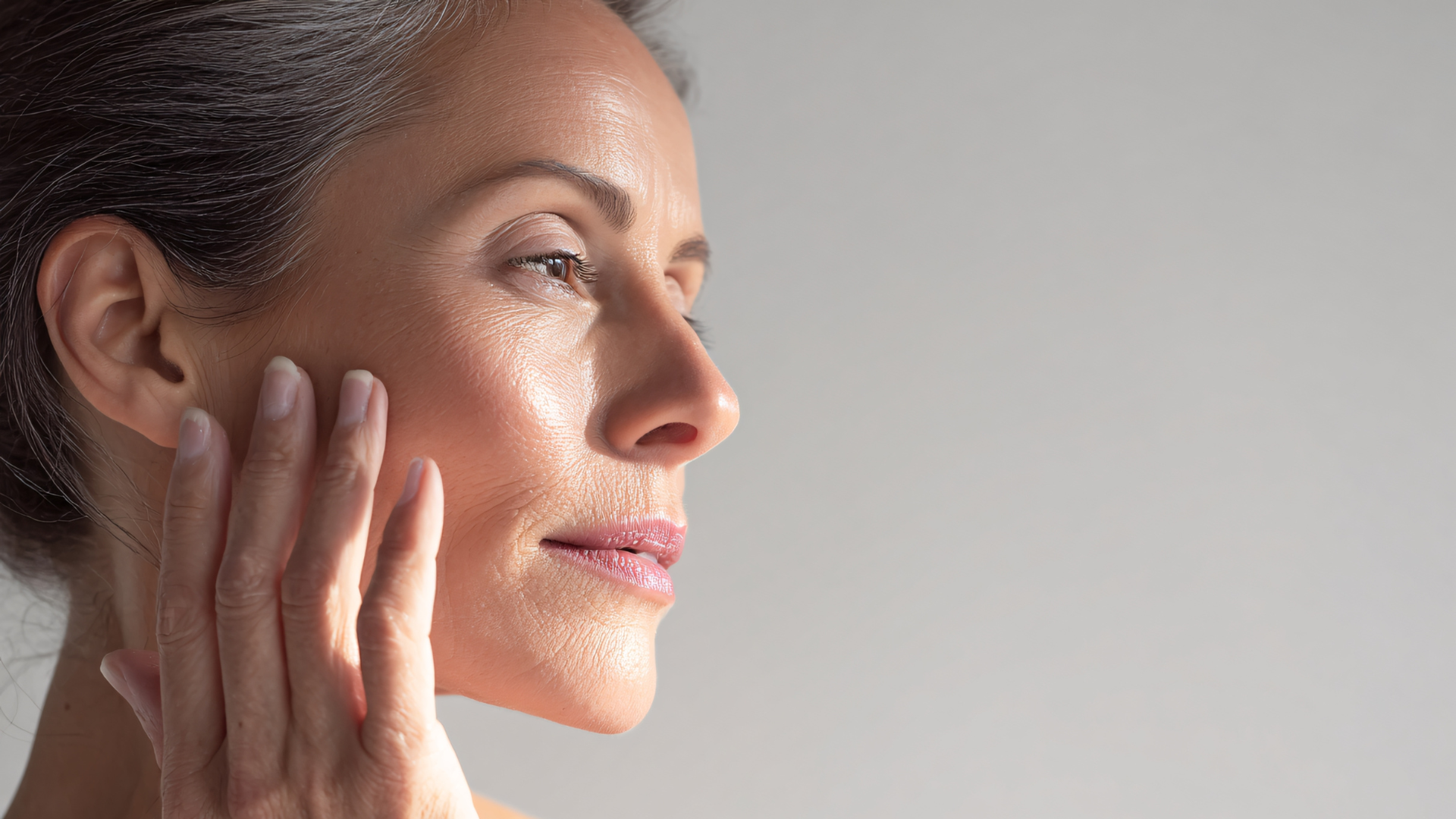
Melanin production takes place in specialized cells called melanocytes. These cells are located mainly in the basal layer of the epidermis, hair follicles, and certain areas of the body such as the eyes and inner ear.
Role of melanocytes
Melanocytes play a crucial role in synthesizing melanin through a complex process. Each melanocyte is capable of producing melanin granules, which it then transfers to neighboring keratinocytes. These epidermal cells absorb the melanin granules, leading to skin coloration.
Chemical process involved
The formation of melanin begins with a series of chemical reactions where the enzyme tyrosinase plays a central role. Here's how this process unfolds:
- Tyrosinase activation: This enzyme catalyzes the conversion of tyrosine (an amino acid) into L-DOPA.
- Oxidation: L-DOPA is then oxidized to form dopaquinone.
- Final transformation: Dopaquinone undergoes several chemical transformations to result in the formation of eumelanin (dark pigment) or pheomelanin (light pigment).
This mechanism is essential for understanding how different skin shades appear and why some people tan more easily than others in response to sun exposure.
The impact of UV rays on our complexion

Sun exposure plays a crucial role in stimulating melanin production. When your skin is exposed to UV rays, it reacts by increasing melanin synthesis to protect itself against skin damage. Here's how it works:
- UV ray absorption: Melanocytes detect UV rays and begin to produce more melanin.
- Damage protection: Melanin acts as a natural barrier, absorbing and dissipating UV ray energy to protect skin cells.
- Tanning process: Increased melanin leads to tanning, which is essentially a protective response to limit damage caused by sun exposure.
The skin's ability to produce melanin varies from person to person, which explains why some people tan easily while others are more prone to sunburn. However, it is essential to remain vigilant and use adequate sun protection to avoid the harmful effects of UV rays on the skin.
Melanin: a determining factor for your skin color
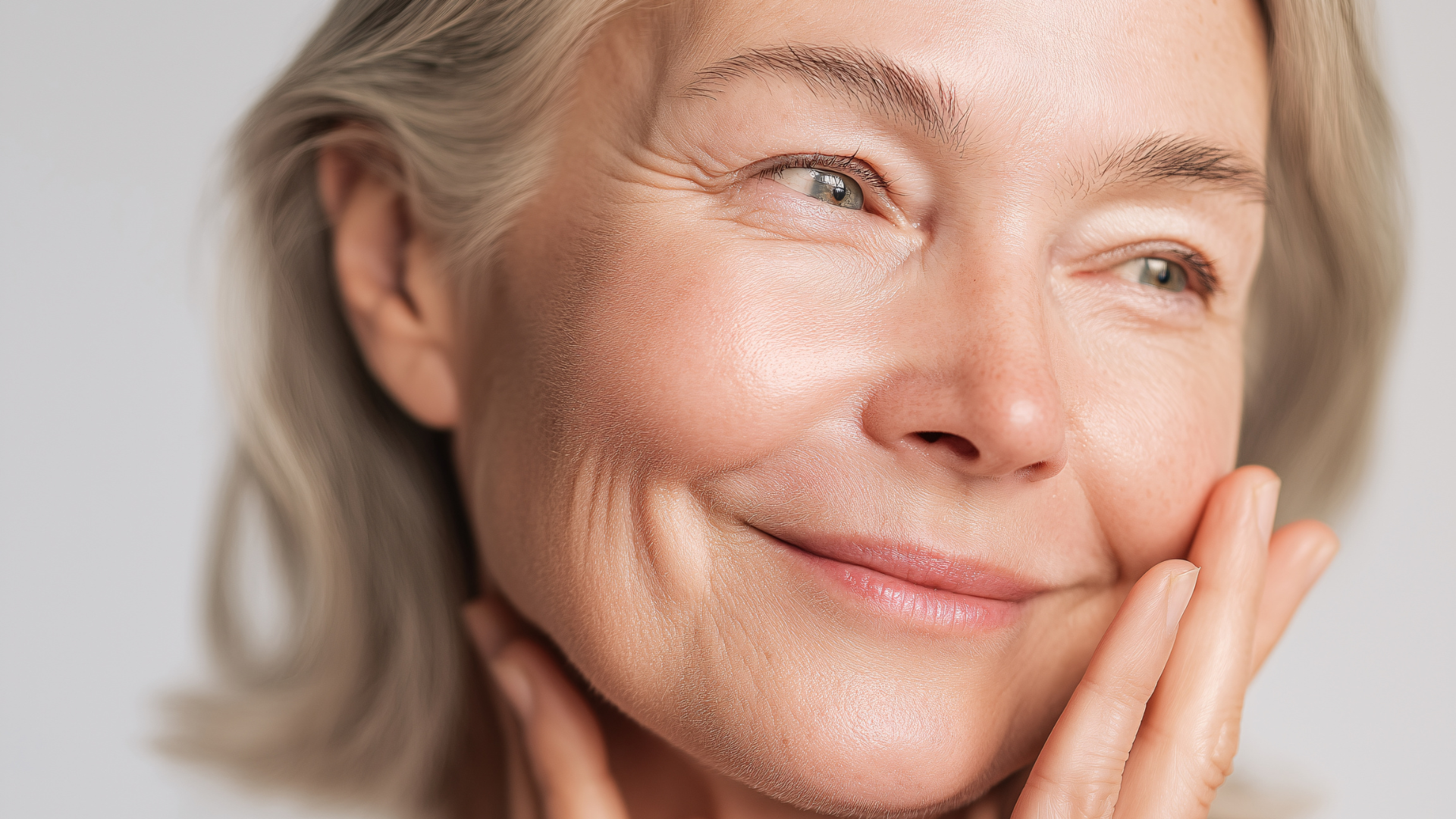
Skin color primarily depends on the levels of eumelanin and pheomelanin present in the epidermis.
- Eumelanin: This pigment is responsible for dark shades, ranging from dark brown to black. People with a high concentration of eumelanin generally have darker skin that effectively absorbs UV rays.
- Pheomelanin: This pigment produces lighter tones, varying from yellow to red. A predominance of pheomelanin results in lighter skin colors, often associated with increased sensitivity to damage caused by UV rays.
These two types of melanin combine in different proportions to create the vast palette of skin tones observed in humans. Variations in their ratio directly influence the skin's natural resistance to external aggressions and its aesthetic appearance.
Melanin and health: beyond appearance!
Melanin plays an essential role as a natural sun protection, absorbing UV rays and minimizing cellular damage. However, this protection is not absolute.
- Complementary sun protection: Despite melanin's ability to absorb UV rays, it is crucial to use additional sun protection. Sunscreens offer an effective barrier against UVA and UVB rays, thus reducing the risk of premature aging and skin cancer.
- Antioxidants: In addition to sunscreens, products rich in antioxidants like vitamin C can strengthen the skin's barrier against free radicals.
- Diet: A balanced diet rich in vitamins A, C, and E also helps maintain your skin's health and modulate melanin production.
Caring for your skin therefore involves a set of practices to optimize its natural defenses and prevent the harmful effects of UV rays.
When melanin production becomes abnormal

Melanin production that falls outside the usual range can lead to pigmentary disorders visible from childhood or appearing in adulthood. These abnormalities are often linked to genetic, immune, or environmental dysregulation.
Examples of pigmentary anomalies:
- Albinism: Albinism results from a total or partial absence of melanin due to a genetic defect affecting the production or transport of this pigment. Albino individuals have very light skin, white or very pale blonde hair, and light eyes. Their skin is extremely sensitive to UV rays and external aggressions.
- Vitiligo: This autoimmune condition causes the progressive destruction of melanocytes in certain skin areas. It manifests as the appearance of depigmented white patches that contrast with the rest of the skin.
- Hyperpigmentation: Conversely, localized overproduction of melanin can cause brown spots, lentigines ("age spots"), melasma (often linked to hormonal variations), or freckles (ephelides).
"The quantity and quality of melanin produced by your body determine not only your skin color but also its ability to defend against certain environmental factors."
These disorders remind us that the balance of the melanin production process is essential for maintaining harmonious pigmentation and effective natural protection.
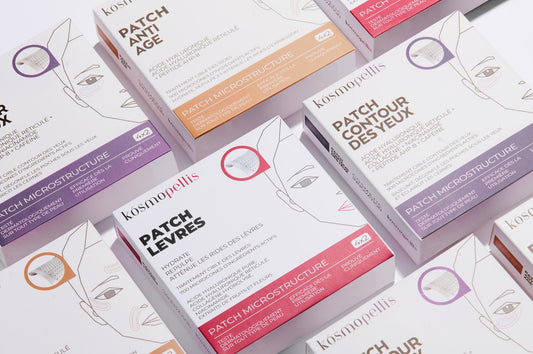
At Kosmopellis, understanding the mechanisms of pigmentation—and particularly the fundamental role of melanin—guides the development of targeted care respectful of the diversity of skin tones.
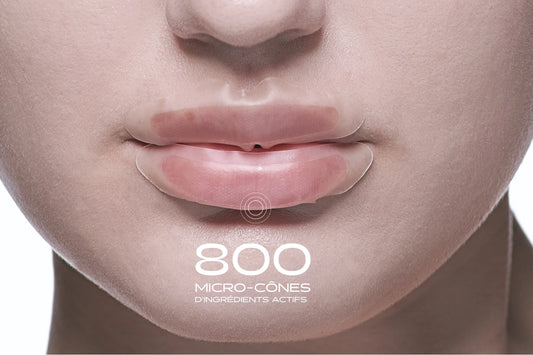
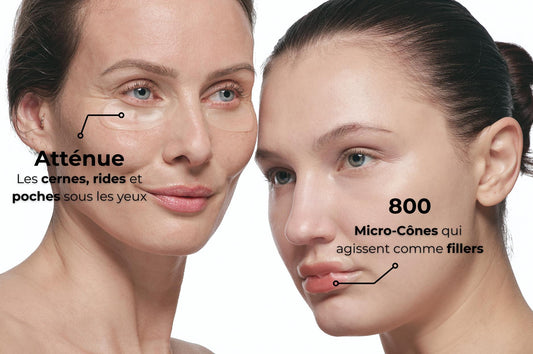
Thanks to its self-dissolving micro-cone patch technology, the brand offers formulas that incorporate active ingredients like niacinamide, recognized for its regulating action on melanin production and its effectiveness on pigmentary spots.
By offering precise and progressive diffusion of active ingredients, Kosmopellis positions itself as an innovative solution for unifying skin tone, preventing hyperpigmentation, and enhancing all skin complexions.

Conclusion
Melanin plays a crucial role in the protection and coloration of our skin. By embracing the diversity of skin tones, you contribute to a better understanding of the multifaceted importance of melanin. Take care of your skin by using appropriate sun protection and adopting a skincare routine that respects your natural pigmentation.
Tip: Adopt a balanced diet rich in antioxidants and vitamins A, C, and E to maintain good skin health and support optimal melanin production.