How pH influences your skincare routine
Introduction
pH plays a crucial role in skincare, directly influencing the health and appearance of your epidermis. This parameter represents the potential hydrogen and is measured on a scale of 1 to 14, where human skin typically falls between 4.1 and 5.8, making it slightly acidic. A balanced pH is essential for maintaining a healthy and protective skin barrier, capable of effectively defending against external aggressors such as bacteria and pollution.
The importance of pH in skincare cannot be underestimated. An imbalance can lead to skin problems such as dryness, irritation, or even more severe conditions like acne and atopic dermatitis.
This article explores how pH influences your skincare routine, the consequences of an imbalance, and guides you towards appropriate cosmetic choices to maintain healthy skin.
Understanding Skin pH
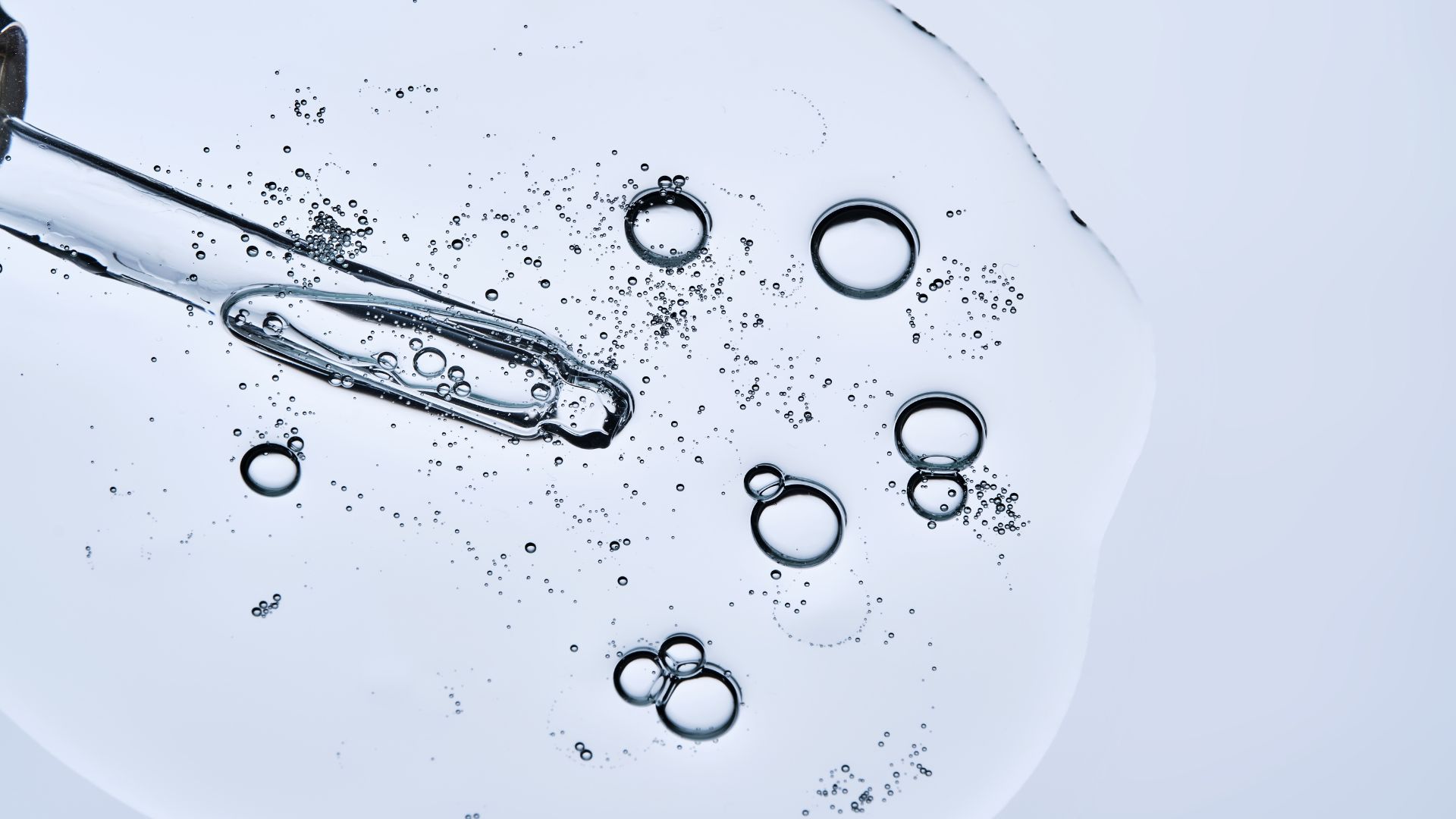
Potential of Hydrogen (pH) is a measure that assesses the acidity or alkalinity of a substance on a scale of 1 to 14. A pH of 7 is considered neutral, while lower values indicate increasing acidity and higher values indicate increasing alkalinity.
Physiological pH of the Skin
Human skin exhibits a slightly acidic physiological pH, typically ranging between 4.1 and 5.8. This natural acidity is essential for maintaining skin health. Skin pH also varies with age:
- In infants, pH tends to be higher, around 7.
- Adolescents, often prone to oily skin, may have a slightly alkaline pH.
- With adulthood and aging, the skin returns to a more stable and slightly acidic pH.
The Acid Mantle: Protective Barrier
The acid mantle constitutes a crucial defense against external aggressions. It acts as a shield by neutralizing alkaline attacks such as those from surfactants present in some cosmetics. Moreover, it inhibits the growth of harmful bacteria while preserving an environment conducive to the development of beneficial skin flora.
Thus, understanding the role of pH and its influence on our skin helps design a skincare routine that respects this delicate balance and strengthens this natural protective barrier.
The Influence of pH on the Skin Barrier and Your Beauty Routine
pH plays a crucial role in epidermal differentiation and desquamation, essential processes for maintaining healthy skin. A balanced pH promotes the activity of enzymes responsible for lipid formation and dead cell breakdown, which contributes to a robust skin barrier.
Effects of an Imbalanced pH
A pH imbalance can disrupt the skin flora, making the skin more vulnerable to infections such as those caused by Staphylococcus aureus and Malassezia. These microorganisms can proliferate when the skin's pH becomes too alkaline, thus compromising the integrity of the skin barrier.
External Factors Affecting pH
- Cosmetic products: using harsh cleansers or products containing chemical ingredients can alter your skin's natural pH.
- Urban pollution: pollutant particles can interact with the skin's natural oils, thus altering its acid balance.
Internal Factors
- Genetics: your genetic heritage directly influences your skin type and its ability to maintain a stable pH.
- Hormones: hormonal fluctuations, particularly during adolescence or menopause, can alter skin pH.
- Lifestyle: a poor diet, chronic stress, and lack of sleep are all factors that can negatively affect your skin's pH.
Adapting your beauty routine according to the specific needs related to your environment and individual constitution is essential to preserve a slight protective acidity.
The Consequences of an Imbalanced pH on Your Skin and How to Remedy It with an Adapted Routine
An elevated skin pH can lead to various skin conditions such as atopic dermatitis and acne. The disruption of the skin's acid mantle compromises its protective role, thus facilitating colonization by pathogenic bacteria and the appearance of inflammation. For example, an elevated pH favors the proliferation of Staphylococcus aureus, often associated with atopic dermatitis.
Symptoms of a pH imbalance include dry, dehydrated, and sensitive skin. These conditions weaken the skin barrier, leaving the skin more vulnerable to external aggressions. Skin with altered pH can also show signs of rosacea, a condition characterized by persistent redness.
To maintain an optimal pH, it is crucial to adopt an adapted skincare routine. Here are some strategies:
- Topical acidification: use products formulated to restore the skin's naturally acidic pH. Slightly acidic toners or serums containing alpha-hydroxy acids (AHAs) can help normalize pH.
- Gentle products: opt for cleansers without harsh agents, such as sulfates, which can disrupt the natural pH balance. Cleansing oils or mild soaps are recommended.
- Targeted hydration: apply moisturizers rich in ceramides to help strengthen the skin barrier and maintain a slightly acidic environment.
The importance of pH in skincare cannot be underestimated. By adjusting your cosmetic choices and daily routine, you can actively support your skin's health and resilience against various environmental and biological challenges.
Choosing pH-Adapted Cosmetic Products for Healthy Skin
When it comes to choosing cosmetics that respect skin pH, several criteria deserve your attention:
- Balanced pH: opt for products whose pH is close to that of the skin (between 4.1 and 5.8) to preserve the natural acid mantle.
- Gentle ingredients: prioritize formulations without harsh surfactants, which are often responsible for pH imbalance.
- Absence of harmful substances: avoid products containing preservatives, endocrine disruptors, or texturizing agents.
Clean beauty formulas, rich in natural ingredients, offer many advantages:
- Respect for the environment and your skin: using ingredients of organic and local origin reduces the ecological footprint while limiting negative interactions with your skin.
- Simplicity and effectiveness: minimalist compositions, with fewer than ten ingredients, ensure optimal effectiveness without chemical overload.
By integrating these criteria into your beauty routine, you support skin health while adopting a more conscious and responsible approach. Products like those offered by Matière Brute Lab, made from organic plant and fruit ingredients, perfectly illustrate this philosophy.
Conclusion
Adjusting your beauty routine according to acidity level is essential for maintaining healthy and radiant skin. The importance of pH in skincare cannot be underestimated, as it plays a key role in maintaining your epidermis's natural balance.
To learn more, discover the products offered by Matière Brute Lab. Their minimalist and natural formulas are designed to respect skin pH, thus promoting better skin health. Explore this range for perfectly balanced and nourished skin daily.