Skin Hydration vs. Nutrition: What's the Difference?
Introduction
Skin hydration vs. nutrition: two often-confused but essential concepts for the health of your epidermis. Hydration focuses on providing water to the skin, while nutrition aims to strengthen the lipid barrier that protects against dehydration and external aggressions.
Understanding these distinctions is crucial for optimizing your skincare routine. Well-hydrated skin is supple and radiant, while well-nourished skin is resilient and elastic. You risk using unsuitable products if you don't make this distinction, which can worsen skin problems.
Signs of dehydrated skin include tightness and fine lines, while poorly nourished skin shows signs of dryness and increased sensitivity. By incorporating both hydration and nutrition into your daily skincare, you ensure an optimal balance for healthy and radiant skin.
Skin Hydration and Nutrition Unveiled
1. Key Ingredients for Well-Hydrated Skin
Understanding the difference between hydration and nutrition is essential to meet your skin's specific needs. Hydration primarily involves bringing water into skin cells, thus ensuring their proper functioning and elasticity. For this, two ingredients stand out for their exceptional effectiveness: hyaluronic acid and aloe vera gel.
Hyaluronic Acid
One of the most powerful active ingredients for retaining moisture, hyaluronic acid can hold up to 1000 times its weight in water. This makes it an indispensable ally for any skincare routine aimed at maintaining optimal epidermal hydration. Available as serums or integrated into moisturizing creams, it suits all skin types, including sensitive skin.
Aloe Vera Gel
Known for its soothing and repairing properties, aloe vera gel is also an excellent natural moisturizer. It provides an immediate feeling of freshness and promotes water retention in the superficial layers of the skin. Ideal for dehydrated skin, it can be used pure or incorporated into cosmetic products.
To choose products adapted to your skin type, several elements should be considered:
- Identify your skin type: is it normal, oily, dry, or combination? A good understanding will help you select products specifically formulated to meet your unique needs.
- Consider the current state of your epidermis: does your skin show temporary signs of dehydration such as tightness or fine lines? Opt for lightweight, non-comedogenic formulas if your skin is oily or prone to imperfections.
- Read labels carefully: look for ingredients such as hyaluronic acid, vegetable glycerin, or aloe. These components are recognized for their ability to seal in moisture without clogging pores.
Making the right choice of hydrating active ingredients in your daily care not only helps prevent dehydration but also visibly improves your skin's radiance and texture.
2. Deep Nourishment: The Secrets of Nourishing Ingredients
Discovering the natural treasures that restore the skin barrier is essential for an effective skincare routine. Vegetable oils and vegetable butters play a crucial role in skin nutrition. These ingredients provide essential lipids that strengthen the epidermal structure, help maintain elasticity, and protect against external aggressions.
Integration into your daily routine:
- Vegetable oils: opt for oils like argan oil or jojoba oil, known for their repairing and moisturizing properties. Apply a few drops to slightly damp skin after cleansing to maximize absorption.
- Vegetable butters: use shea butter or cocoa butter for their ability to intensely nourish and soften the skin. They are particularly beneficial for dry and rough areas.
Understanding the difference between hydration and nutrition allows you to precisely adapt your routine to your skin's specific needs. By combining hydrating ingredients like hyaluronic acid and aloe vera gel with nourishing agents, you ensure a holistic approach that will revive your natural radiance.
Tailoring Your Routine to Your Skin's Specific Needs
Every skin is unique, and understanding the specifics of your skin type and skin condition is essential for optimizing your skincare. The distinction between dry skin and dehydrated skin can guide your product choices.
Identifying the particularities of your epidermis:
- Dry skin: This condition is often permanent and results from a lack of lipids. You might feel a persistent tightness, with redness or flaking.
- Dehydrated skin: Unlike dry skin, dehydration is a temporary condition due to a lack of water in the epidermis. It manifests as dehydration lines and an occasional feeling of discomfort after cleansing.
Adjusting your products accordingly:
- For dry skin: Opt for products rich in fatty substances like vegetable oils and butters that nourish deeply. Creams containing shea butter or avocado oils are particularly beneficial.
- For dehydrated skin: Prioritize moisturizing treatments with active ingredients like hyaluronic acid or aloe vera gel that retain moisture.
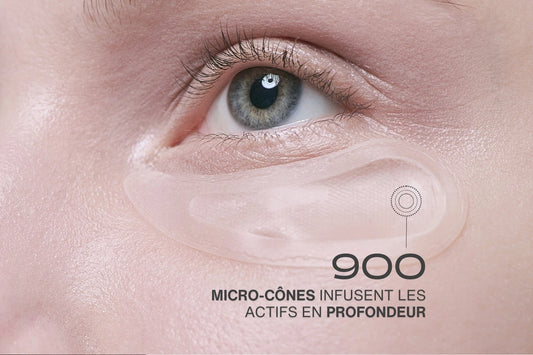
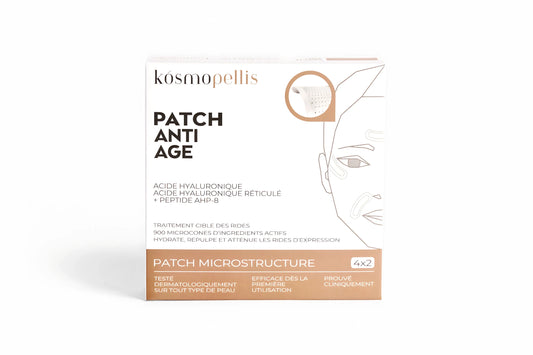
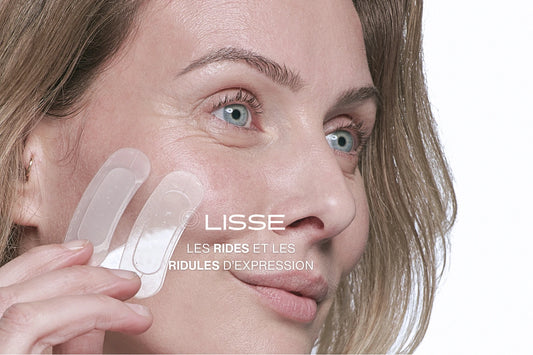
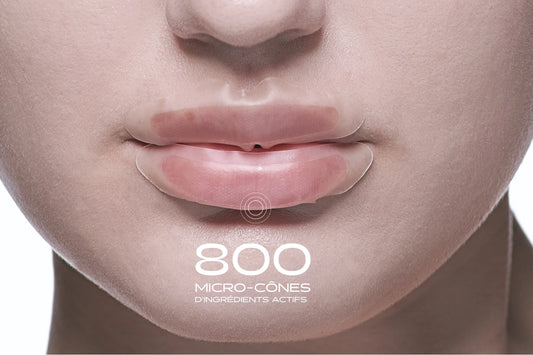
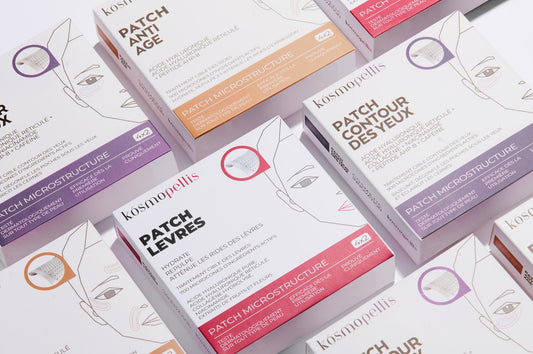
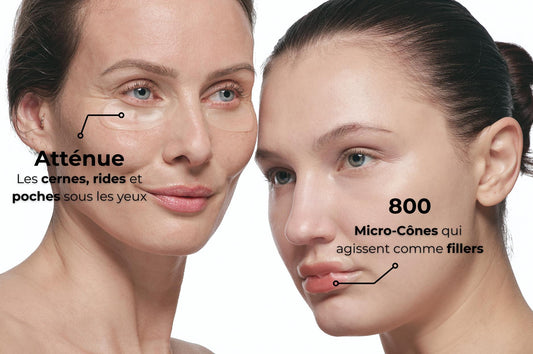
- For all skin types: Prefer kosmopellis microstructure patches, which are very hydrating and provide intense nourishment because the microstructures penetrate the upper layer of the epidermis and deliver ingredients deep down.
By adjusting your skincare according to these distinctions, you can restore your skin's natural balance and effectively meet its specific needs.
The Impact of Diet and Internal Hydration on Your Natural Radiance
Your skin's radiance is intimately linked to what you eat and drink daily. A water-rich diet and adequate internal hydration are essential to keep skin supple and luminous. Consuming water-rich foods, such as cucumbers, watermelons, or oranges, helps hydrate your body from within.
Understanding the Link Between Diet and Skin Health
- Internal hydration: drinking enough water throughout the day is crucial to avoid dehydration, which can make skin dull and tired.
- Essential nutrients: vitamins A, C, E, and omega-3 fatty acids found in foods like avocados and nuts play a key role in maintaining healthy skin.
- Antioxidants: consuming colorful fruits and vegetables enriched with antioxidants protects your skin against oxidative stress.
Practical Tips for Maintaining Optimal Balance
Incorporate more fresh fruits and vegetables into your diet to benefit from their natural hydrating properties.
Drink at least 1.5 to 2 liters of water daily to support your essential bodily functions.
Limit alcohol and caffeine consumption, as these substances can lead to increased dehydration.
By adopting a balanced approach between diet and internal hydration, you can optimize your skin's health and appearance.
Conclusion: Balancing Hydration and Nutrition for Healthy Skin
Skin hydration and nutrition are two essential pillars for maintaining a radiant and healthy complexion. A holistic approach is crucial, combining internal and external care. Incorporate hydrating ingredients like hyaluronic acid and aloe vera, while nourishing your skin with lipid-rich vegetable oils.
Personalize your routine according to your epidermis's unique needs. Dry skin will benefit from lipid-rich treatments, while dehydrated skin will require more hydrating active ingredients. Listen to your skin's signals to adjust the proportions between hydration and nutrition.
Skin hydration vs. nutrition: understanding this distinction guides you towards a more effective routine.
Ultimately, consistent attention to your skin's specific needs not only ensures a radiant face but also optimal skin health.