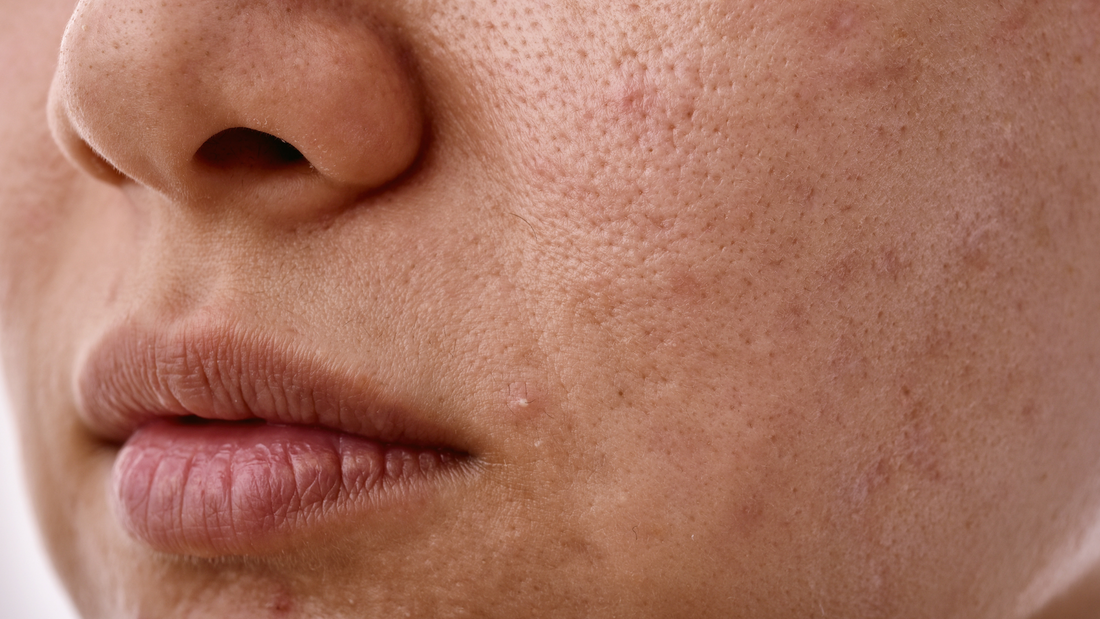
Combination Skin: The Best Tips for Pampering It
Introduction
Complex skin is often a challenge to manage, presenting a combination of characteristics such as dry, oily, and sometimes sensitive areas. To maintain the balance and health of this skin type, adopting specific care is crucial. These treatments must be designed to meet the varied needs of each area of the face.
Why is tailored care essential?
- Combination areas: Complex skin can have an oilier T-zone (forehead, nose, chin), while the cheeks remain dry.
- Increased sensitivity: Variations can lead to skin reactions if products are not carefully chosen.
The aim of this article is to offer valuable tips for nourishing and protecting your complex skin. By exploring best practices and identifying effective products, you can adopt a routine that enhances your complexion while preserving its natural balance.
Understanding complex skin

Complex skin, often called combination skin or reactive skin, is characterized by a combination of dry and oily areas. These imbalances can make skin care delicate, requiring special attention.
Characteristics of complex skin
- Dry areas: generally located on the cheeks, they may appear dull and prone to flaking.
- Oily areas: often concentrated on the T-zone (forehead, nose, chin), they are marked by excess sebum, which can lead to enlarged pores and unwanted shine.
Possible causes of skin complexity
- Environmental factors: climatic variations, humidity, and pollution can exacerbate skin imbalances.
- Genetic factors: heredity plays an important role in determining skin type and its reactivity.
These factors highlight the importance of adapted care to maintain optimal balance.
Why special care is necessary
Specific care is essential to meet the varied needs of complex skin. The products used must be able to hydrate dry areas without weighing down oily areas. The use of gentle but effective ingredients minimizes irritation while targeting specific concerns such as excess sebum or dehydration. A personalized approach ensures better skin health, thus addressing the unique challenges posed by this skin type.
1. Hydration: key to skin balance

Hydration is essential to maintain the balance of complex skin. Without adequate hydration, dry areas can become even drier, and oily areas can produce more sebum to compensate, thus exacerbating skin imbalances.
Recommended ingredients:
- Hyaluronic acid: this ingredient attracts and retains moisture in the skin, which improves its suppleness and elasticity.
- Peptides: these amino acid chains promote collagen production, thus strengthening the skin barrier.
- Saccharide complexes: they help maintain long-term hydration by forming a protective layer on the skin's surface.
Tips for choosing suitable moisturizing products:
- Opt for lightweight serums containing hyaluronic acid to hydrate without weighing down.
- Look for fragrance-free and alcohol-free creams to minimize irritation.
- Test products on a small area before applying them to your entire face to avoid any undesirable reactions.
2. Choosing the right products

To pamper complex skin, the choice of skincare products is crucial. Opt for sensitive care formulated without fragrance or alcohol to minimize irritation. These ingredients can often be too aggressive, especially for complex skin which requires a gentle approach.
Ingredients to avoid
- Fragrances: can cause allergic reactions and sensitize the skin.
- Parabens: although commonly used as preservatives, they can disrupt your skin's natural balance.
Ingredients to favor
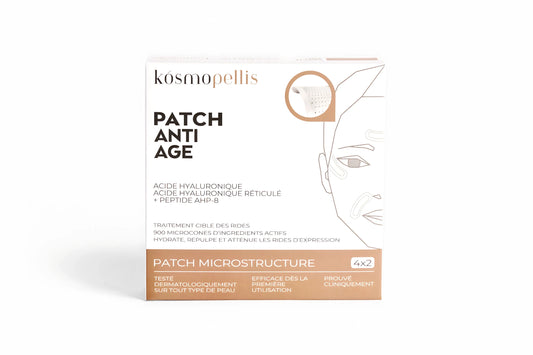
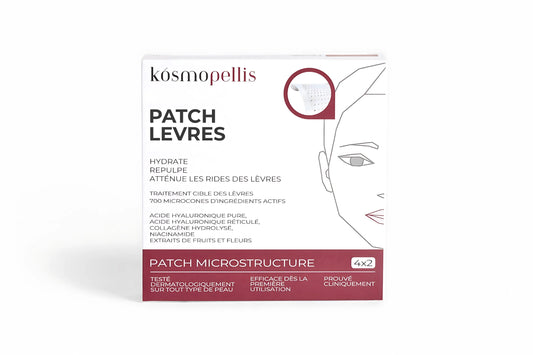
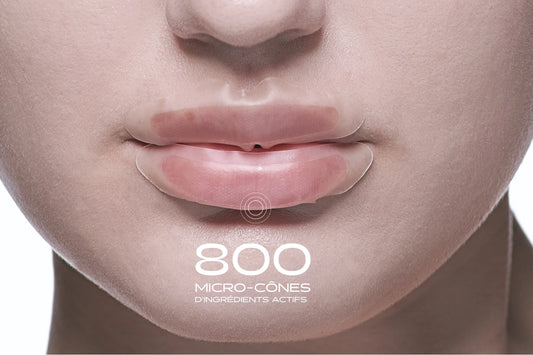
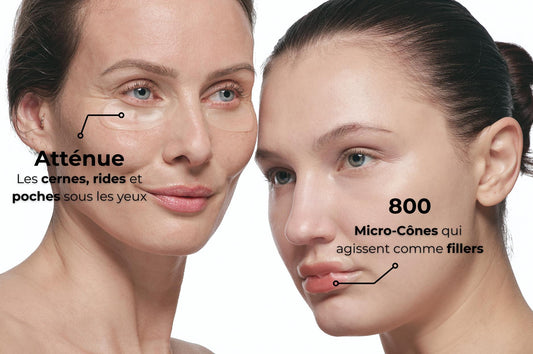
Use products containing soothing active ingredients such as aloe or allantoin to calm the skin. Microstructure patches are also beneficial; these technological innovations deliver active ingredients directly into the skin, offering targeted hydration and repair without overloading your complexion.
Each product should be chosen based on its ability to maintain the complex skin in balance, providing softness and protection to dry areas while regulating excess sebum in oily areas. By favoring simple and effective formulations, you guarantee your skin the comfort it needs.
A tailored routine for healthy complex skin!

Gentle cleansing is crucial to maintain the integrity of the skin barrier when you have complex skin. This type of skin, often prone to imbalances between oily and dry areas, requires special care during cleansing.
Recommended cleanser types
- Soap-free cleansers: they preserve the skin's natural hydrolipidic film.
- Cleansing milk: ideal for sensitive skin, it cleanses gently while providing light hydration.
- Micellar water: convenient for removing makeup and impurities without excessive rinsing.
Ideal frequency
It is recommended to cleanse your face twice a day, morning and evening. In the morning, a light cleansing removes excess sebum accumulated overnight. In the evening, a more thorough cleansing helps remove impurities and makeup, thus preparing your skin to receive your nighttime treatments.
4. Regular exfoliation: an asset for cellular renewal

Gentle exfoliation is essential to maintain the radiance and health of complex skin. It helps eliminate dead cells, thus promoting cellular renewal and improving the skin's overall texture.
Benefits of controlled exfoliation:
- Improves blood circulation.
- Allows for better absorption of subsequently applied treatments.
- Reduces the appearance of pores and evens out skin tone.
Types of gentle exfoliants to use:
- Enzymatic scrubs that break down dead cells without abrasion.
- Chemical exfoliants based on alpha-hydroxy acids (AHAs) or beta-hydroxy acids (BHAs) for a deeper action.
Exfoliating too often can weaken the skin barrier, leading to redness and irritation. Opt for gentle exfoliation once or twice a week and watch for signs of sensitivity. Maintaining this rhythm helps preserve your skin's integrity while enjoying a radiant and even complexion.
5. Sun protection: essential for skin health

Applying sunscreen daily is crucial to preserving the health of your complex skin. UV rays can cause considerable damage, exacerbating sensitivity and reactivity issues.
Why use sunscreen every day?
Sun protection guards against premature aging, reduces the risk of dark spots, and decreases skin sensitivity caused by sun exposure.
Types of sunscreens suitable for sensitive skin:
Opt for fragrance-free and alcohol-free formulas, often marked "mineral" or "physical," containing titanium dioxide or zinc oxide. These ingredients are gentle while offering effective protection.
Harmful effects of the sun on reactive skin:
UV rays can exacerbate redness and cause irritation. Prolonged exposure can weaken the skin's natural protective barrier, making adequate protection essential.
Integrating sunscreen into your daily routine helps maintain optimal skin balance.
6. Skin microbiome balance

The skin microbiome plays an essential role in our skin's health. It refers to all the microorganisms living on the skin's surface, playing a crucial role in maintaining its health. This delicate balance helps protect the skin against external aggressions and regulate essential functions such as hydration.
To support this balance, integrating specialized soothing care is essential. Look for products containing prebiotics and probiotics, designed to nourish and strengthen this natural flora. Ingredients like inulin or lactobacillus can be particularly beneficial.
A healthy microbiome offers many benefits, especially for reactive skin. It improves resistance to irritation, reduces inflammation, and promotes a more even and radiant complexion. Taking care of your skin microbiome is therefore a key step to maintaining healthy skin, especially when it has a unique complexity.
Conclusion
Adopting a beauty routine adapted to your skin type is essential to improve and maintain the health of your complex skin. By incorporating the proposed tips, you can visibly improve your skin's condition and restore its radiance and uniformity.
- Follow these tips to strengthen your skin health and achieve lasting results.
- Do not hesitate to consult a health professional if you have specific concerns about your skin.
A personalized approach based on a deep understanding of your skin's needs is key to a radiant and balanced complexion.