An evening routine suitable for dry skin
Introduction
Understanding and caring for dry skin is essential for maintaining healthy and radiant skin. People with dry skin know how challenging it can be to manage feelings of tightness, redness, and irritation. A tailored evening routine can transform your daily experience by providing the hydration and nourishment your skin needs.
Evening routine for dry skin:
- Hydration: the key to soothing and nourishing dry skin.
- Skincare: choosing the right products can make all the difference.
- Tips: follow a specific routine to maximize the benefits of the applied treatments.
Key Takeaway: follow a specific evening routine to deeply nourish and hydrate your dry skin.
Understanding dry skin: definition and causes
Definition of dry skin
Dry skin, or xerosis cutis, is characterized by insufficient sebum and moisture in the outermost layer of the skin, the epidermis. This condition can manifest as feelings of tightness, itching, redness, and desquamation (peeling skin). Dry skin can affect any part of the body, but it is often more pronounced on the face, arms, legs, and hands.
Origins of dry skin
Dry skin can result from various factors, whether environmental, genetic, or related to lifestyle habits. Here are the main causes:
- Environmental factors: exposure to cold, excessive heat, or dry winds.
- Climatic factors: winter seasons and arid climates are particularly conducive.
- Genetic factors: Some people are naturally predisposed to dry skin due to their genetic heritage. The sebaceous glands of these individuals produce less sebum, a natural oil that helps maintain skin hydration.
Aggravating factors
Certain elements can worsen the condition of already dry skin:
- Use of aggressive products: cleansers containing sulfates or denatured alcohols.
- Inadequate makeup removal: not using appropriate products like micellar water for dry skin.
- Daily habits: taking showers that are too hot or too frequent.
Medical conditions related to dry skin
Certain medical conditions can also be responsible for dry skin:
- Eczema (atopic dermatitis): causes chronic skin inflammation.
- Psoriasis: characterized by excessive skin cell production, leading to an accumulation of dry patches.
- Hypothyroidism: a decrease in thyroid activity can reduce sebum production.
Prevention and treatment
To prevent and treat dry skin, it is essential to adopt a specific routine:
Daily hydration:
- Use creams rich in moisturizing ingredients such as hyaluronic acid and ceramides.
- Apply a hydrating serum before your cream to boost hydration.
Choice of suitable products:
- Favor gentle cleansers, free of alcohol and sulfates.
- Use micellar water for makeup removal to avoid dryness.
Protection against external elements:
- Apply barrier creams to protect against climatic aggressions.
- Wear protective clothing in extreme weather conditions.
Medical consultation:
- Consult a dermatologist in case of persistent or severe dryness to evaluate any underlying conditions.
Caring for your dry skin requires a deep understanding of its specific needs. By adopting a tailored routine, you can significantly improve its condition and appearance daily.
Step 1: Deep cleansing with micellar water
Makeup removal, micellar water, dry skin
Caring for dry skin begins with effective makeup removal. It is crucial to remove all impurities and makeup accumulated during the day to allow the skin to breathe and absorb nighttime treatments.
The importance of makeup removal for dry skin
Makeup removal is an essential step in any skincare routine, but it takes on particular importance for dry skin. In addition to cleansing the skin, makeup removal prepares the skin to receive hydrating and nourishing treatments, essential for maintaining its balance and health. Here's why makeup removal is crucial for dry skin and how to do it correctly.
Elimination of Impurities
Throughout the day, the skin accumulates impurities such as pollution, dust, sebum, and makeup residue. For dry skin, the accumulation of these impurities can clog pores and prevent moisturizing products from penetrating effectively. Good makeup removal helps eliminate these particles, leaving the skin clean and ready to receive subsequent treatments.
Prevention of Irritation
Dry skin is often more sensitive and prone to irritation. Makeup residue, if not properly removed, can irritate the skin and worsen dryness. Gentle and effective makeup removal helps prevent these irritations, avoiding damage to the already fragile skin barrier of dry skin.
Promotion of Cell Regeneration
Night is when the skin regenerates most actively. For this process to occur optimally, it is crucial that the skin is clean and free of any impurities. Makeup removal allows the skin to breathe and renew itself effectively, thus contributing to healthier and more hydrated skin.
Tips for choosing and using suitable micellar water
Micellar water is recommended because it cleans effectively without requiring rinsing, which preserves the skin's natural moisturizing barrier. Here are some tips for choosing and using micellar water correctly:
- Choose a gentle formula: Opt for micellar water without alcohol or fragrance to avoid any irritation.
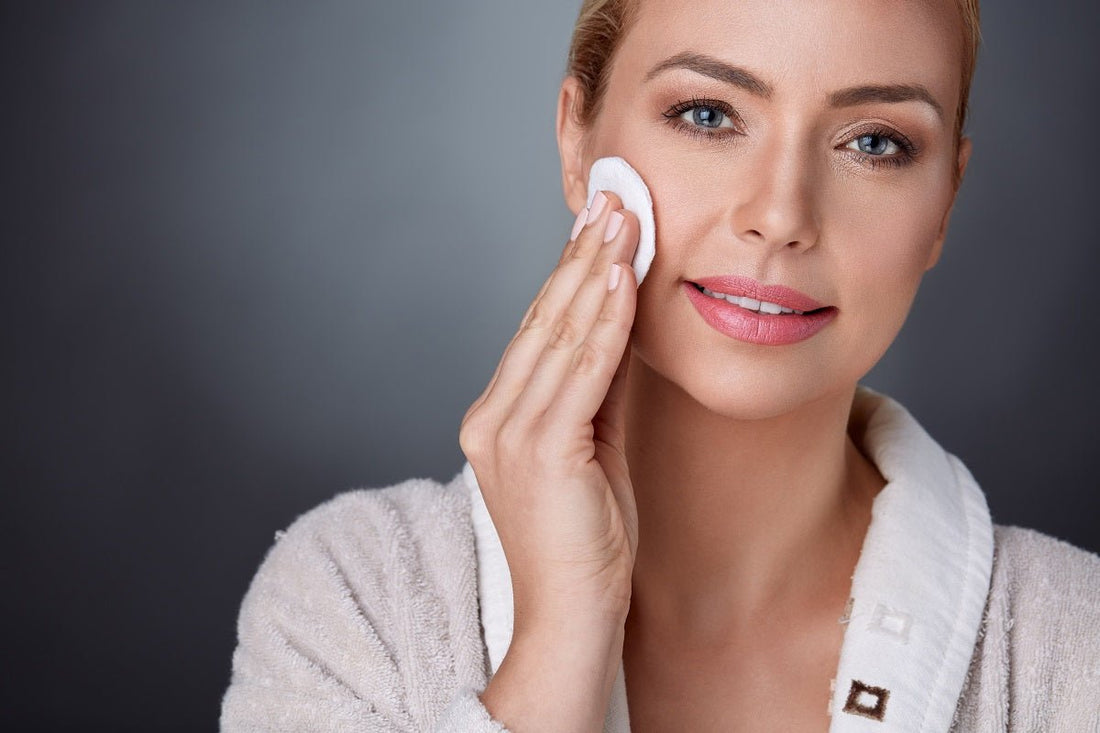
- Usage: Soak a cotton pad and gently wipe it over your face without rubbing. Repeat until the cotton pad is clean.
- Immediate hydration: After makeup removal, immediately apply your moisturizing cream to prevent the skin from drying out.
Step 2: Face cleansing morning and evening with an oil-based cleanser
Cleansing plays an essential role in the routine for dry skin. By removing impurities and makeup residue, you prepare your skin to better absorb moisturizing products and nourishing treatments.
Recommended use of an oil-based cleanser
- Gentleness and effectiveness: oil-based cleansers are particularly suitable for dry skin because they cleanse gently without stripping the skin's natural oils.
- Usage tips: apply the product to dry skin, gently massaging to dissolve impurities. Then rinse with lukewarm water to remove any residue.
Examples of recommended cleansers:
- Makeup Removing Oil
- Cleansing Oil
Alcohol-free toner
After cleansing, the use of an alcohol-free toner is highly recommended. These toners soothe and balance the skin's pH without causing dryness.
Key points:
- Avoid products containing alcohol which can further dry out the skin.
Recommendations: opt for toners containing moisturizing ingredients such as hyaluronic acid or soothing floral water.
Recommended products:
- Hydrating Toner
- Floral Water
Step 3: Skin hydration during the night with a nourishing cream
Night hydration for dry skin
Nighttime hydration is crucial for dry skin. During sleep, the skin regenerates and absorbs nutrients better. Using a nourishing cream helps restore moisture lost during the day and strengthen the skin barrier.
Difference between an anti-aging cream and a hydrating night cream
Anti-aging creams are formulated to reduce signs of aging such as wrinkles and fine lines. They often contain active ingredients such as retinol or peptides. In contrast, a hydrating night cream focuses primarily on providing essential hydration and nutrients to dry skin without necessarily targeting signs of aging.
Using a serum before night cream
To maximize the effectiveness of your routine, apply a serum before your night cream. Serums are lighter and penetrate deeper into the skin, offering concentrated hydration. This also prepares the skin to better absorb the nourishing ingredients of your night cream.
These products ensure your skin remains supple, soft, and well-nourished throughout the night.
Step 4: Exfoliation and mask to gently exfoliate and nourish dry skin
Exfoliation plays a crucial role in removing dead cells, thereby allowing moisturizing products to penetrate better and be more effective. For dry skin, it is essential to choose a gentle exfoliant to avoid any irritation.
Recommended frequency:
- Normal to dry skin: twice a week.
- Very dry skin: once a week.
Mechanical exfoliants:
- Use exfoliating particles to remove dead cells.
Hydrating mask:
- To be applied after each exfoliation to counteract the potentially irritating effect of the exfoliant.
A good exfoliation followed by a hydrating mask helps maintain skin suppleness and hydration while removing impurities.
Step 5: Micro-needle patch for deep hydration
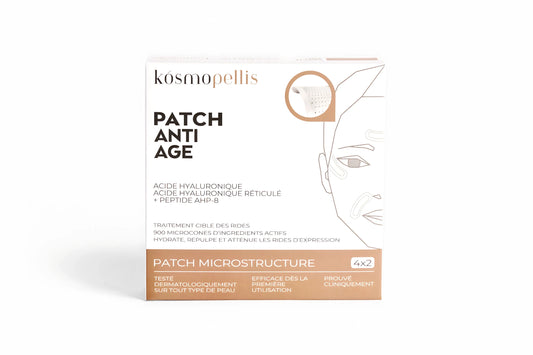
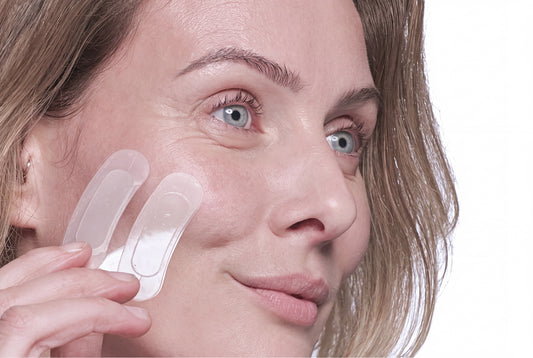
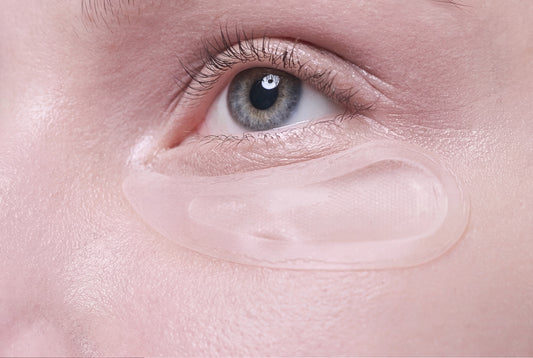
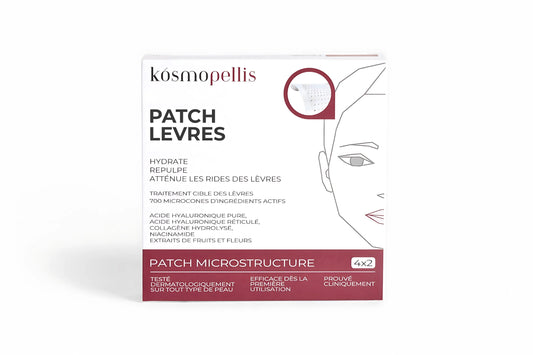
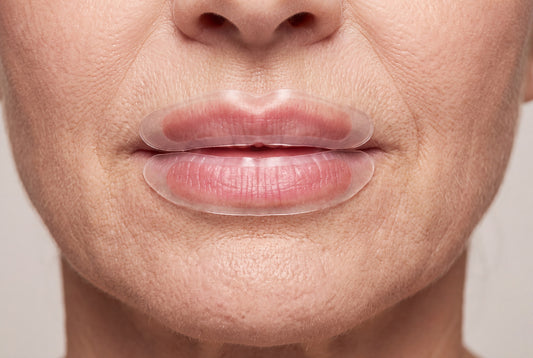
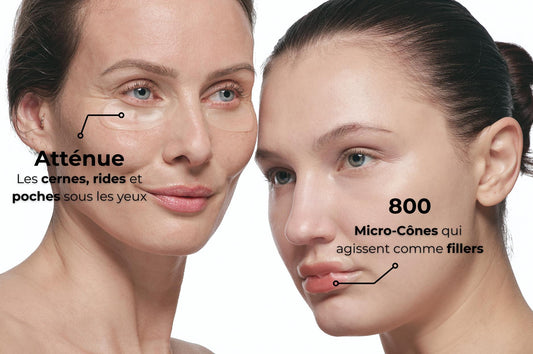
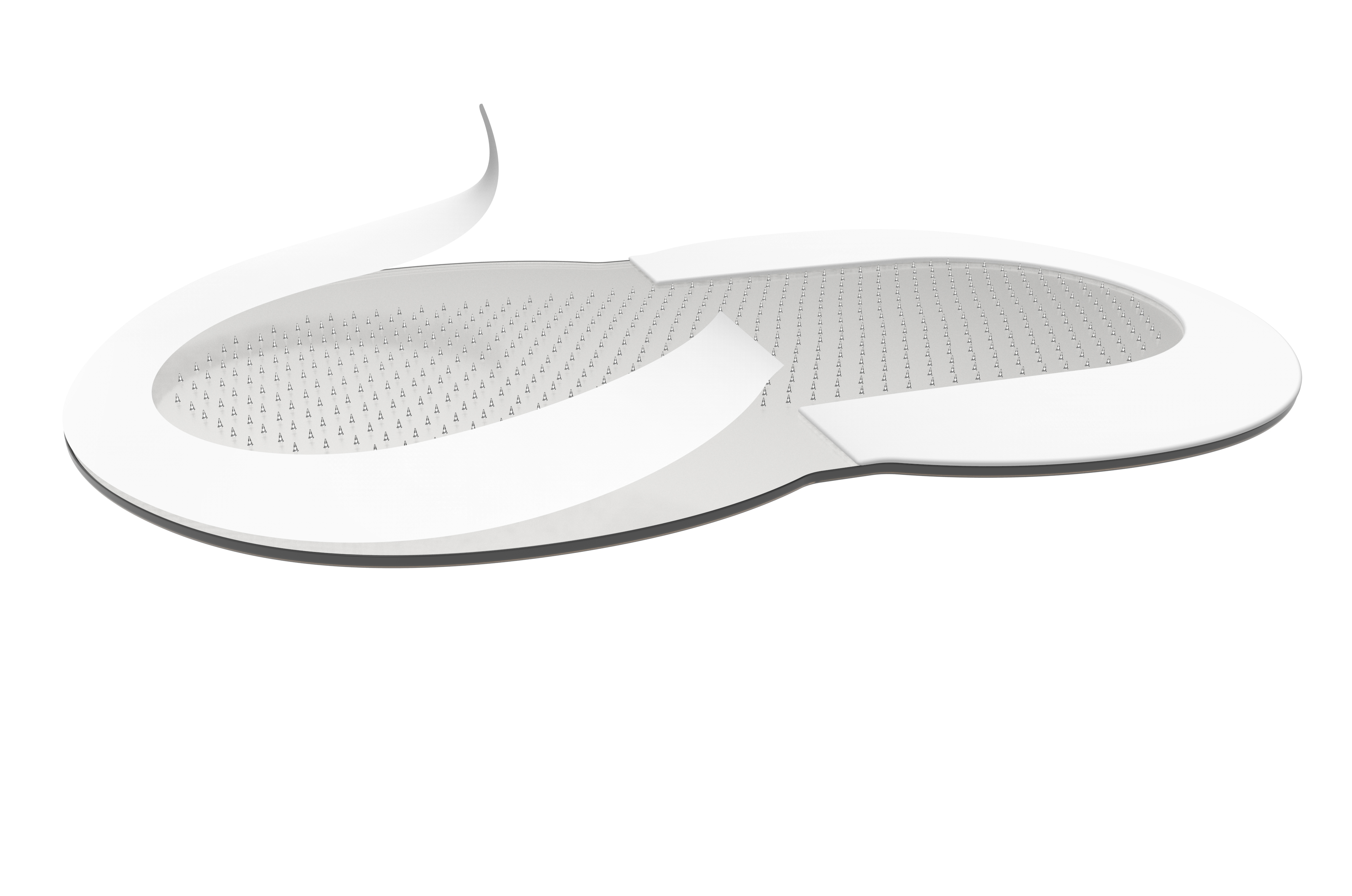
Micro-needle patches are a particularly effective innovation for dry skin requiring intense hydration. These patches allow for deep penetration of moisturizing and nourishing active ingredients, thus ensuring smoother and more radiant skin. They are generally used once or twice a week, depending on your skin's needs.
Benefits of micro-needle patches
- Deep hydration: micro-needles create tiny channels in the skin, facilitating the absorption of moisturizing ingredients.
- Stimulation of collagen production: regular use can encourage natural collagen production, improving skin texture and elasticity.
- Reduction of wrinkles and fine lines: active ingredients penetrate more effectively, helping to reduce visible signs of aging.
How to use a micro-needle patch
- Pre-cleaning: make sure your face is clean and dry before applying the patch.
- Patch application: apply the patch to targeted areas (forehead, cheeks, eye contour) pressing lightly to allow the micro-needles to penetrate the skin's surface.
- Application time: leave on for a minimum of 30 minutes. Ideally, leave it on for 4 hours, or even overnight.
Product recommendations
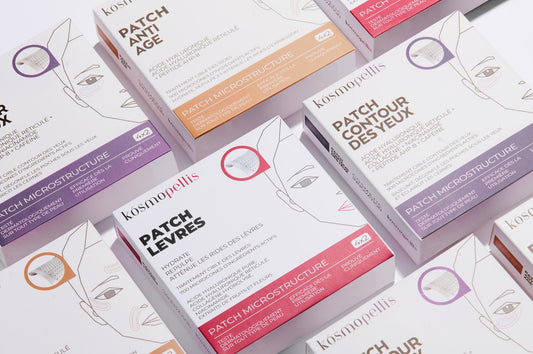
- Micro-needle patches Kósmopellis
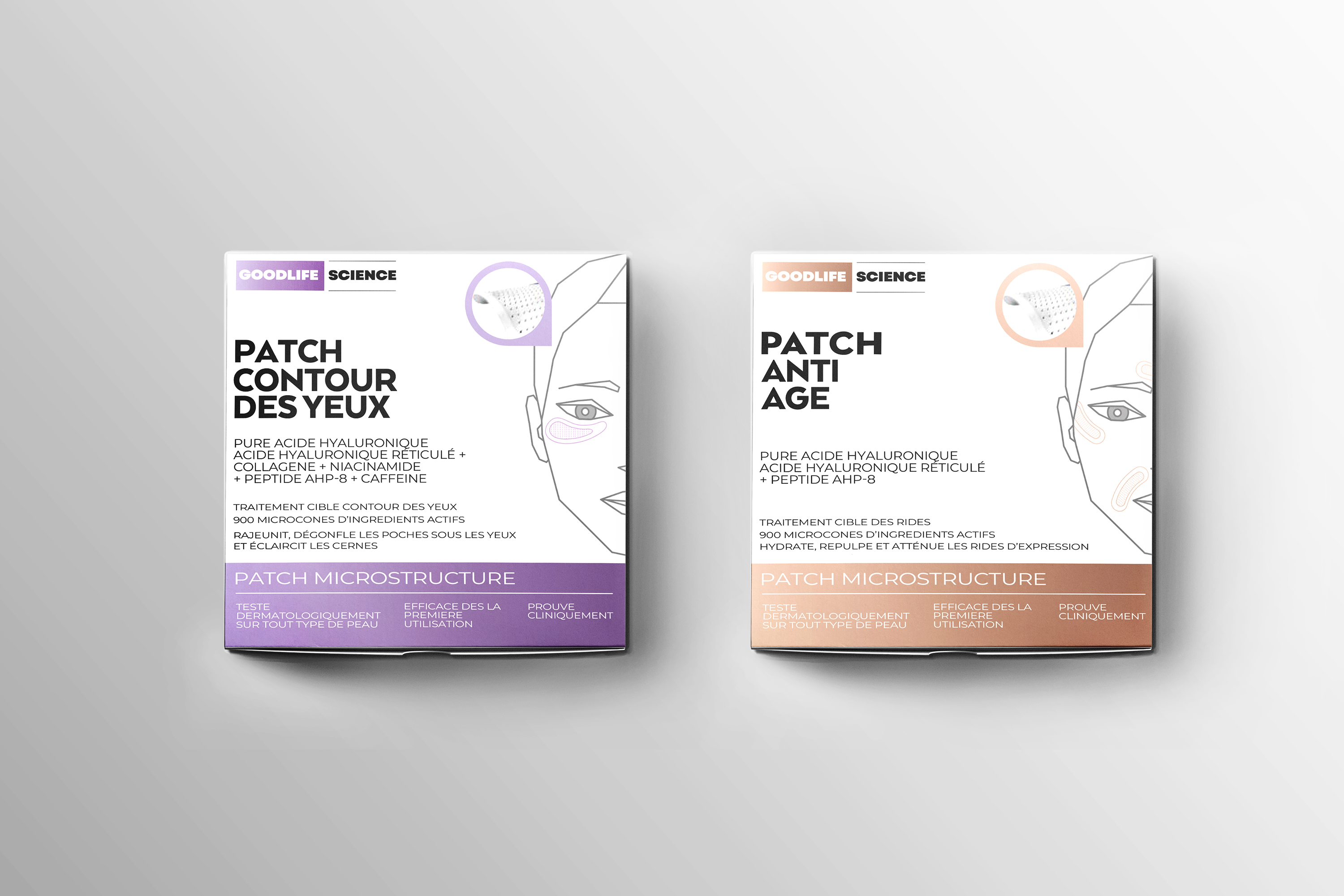
Integrating this step into your evening routine ensures optimal and lasting hydration for your dry skin.
Step 6: Additional protection with a skin barrier
Protecting your dry skin against external aggressions is crucial to maintain its hydration and prevent skin imperfections. Drying and detergent products are often responsible for the deterioration of the skin barrier, causing dryness, irritation, and imbalance.
Risks of drying and detergent products for dry skin
Products containing drying agents such as denatured alcohol or certain detergents can:
- Remove natural oils from the skin, leading to moisture loss.
- Cause irritation and redness, worsening dryness.
- Disrupt the skin microbiome, making the skin more vulnerable to infections.
Ingredients to avoid
To best protect your dry skin, here are some ingredients to avoid:
- Denatured alcohols: such as ethanol or isopropanol which dry out the skin.
- Artificial fragrances: frequent sources of irritation and dryness.
- Sulfates: such as sodium lauryl sulfate (SLS) and ammonium lauryl sulfate (ALS), which can disrupt the natural lipid barrier.
When selecting your skincare products, prioritize those formulated without these aggressive ingredients. Use gentle and hydrating cleansers, as well as creams rich in ceramides, essential fatty acids, and antioxidants to strengthen the skin barrier.
For optimal protection, regularly apply these products after each cleansing to compensate for the potential drying effects of tap water and other environmental factors.
Conclusion
Now that you know the essential steps of an evening routine for dry skin, it's time to pamper your skin with love. Remember to listen to your skin's unique needs and adjust your routine accordingly. By caring for your dry skin every evening, you can reveal a softer, suppler, and more radiant appearance day after day.
Key takeaways:
- Deep cleansing: use suitable micellar water to remove all impurities without irritating the skin.
- Gentle cleansing: opt for an oil-based cleanser and avoid foaming products rich in surfactants.
- Nighttime hydration: apply a nourishing cream after a serum to maximize hydration overnight.
- Regular exfoliation: use a gentle scrub and a hydrating mask to remove dead skin cells without irritating the skin.
- Microneedle patch: using these patches once a week is very effective for greater penetration of ingredients.
- Protection with a skin barrier: avoid drying products and opt for ultra-hydrating ingredients like hyaluronic acid and avocado oil.
Adopt these carefully chosen skincare steps to transform your evening routine into a soothing and effective ritual. Each step is designed to strengthen your skin's natural barrier while deeply hydrating it. Listen to your skin, adapt to its specific needs, and enjoy the benefits of healthy, radiant skin.