What are truly effective anti-aging treatments made of?
There comes a moment, usually in front of the mirror, when you catch yourself staring at a specific area. The corner of your eyes. The nasolabial fold. A spot that, you swear, wasn't there last summer. And then, you do what everyone does: you type "best anti-aging cream" and you come across some rather magical promises. Except that effective anti-aging treatments, the real ones, aren't magic. They are… composed. Of active ingredients, textures, filters, preservatives, things that don't sound exciting, but that change the skin over time. And that's precisely what's interesting.
Let's talk specifics: what's in the formulas that work, why they work, and how to spot products that do more than "temporarily smooth".
What "anti-aging" really means

First, an anti-aging treatment doesn't "stop" aging. It primarily targets three families of problems:
- wrinkles and fine lines (related to collagen, elastin, dehydration, expressions)
- loss of firmness (dermal structure, sagging, glycation)
- less uniform complexion (spots, redness, dullness, uneven texture)
And there's a fourth, which we always forget: the prevention of accelerated aging, meaning anything that limits future damage. Spoiler: it's mainly photoprotection.
So when we say "effective," we're talking about measurable results, but also consistency: a powerful active ingredient without tolerance often ends up at the bottom of a drawer.
Microstructure patch: why textures and diffusion matter as much as active ingredients
A brief but important digression, because it's often overlooked.
Effective anti-aging treatments can contain a super active ingredient… and still be mediocre, simply because the active ingredient doesn't reach its target area properly, or because it degrades, or because it irritates.
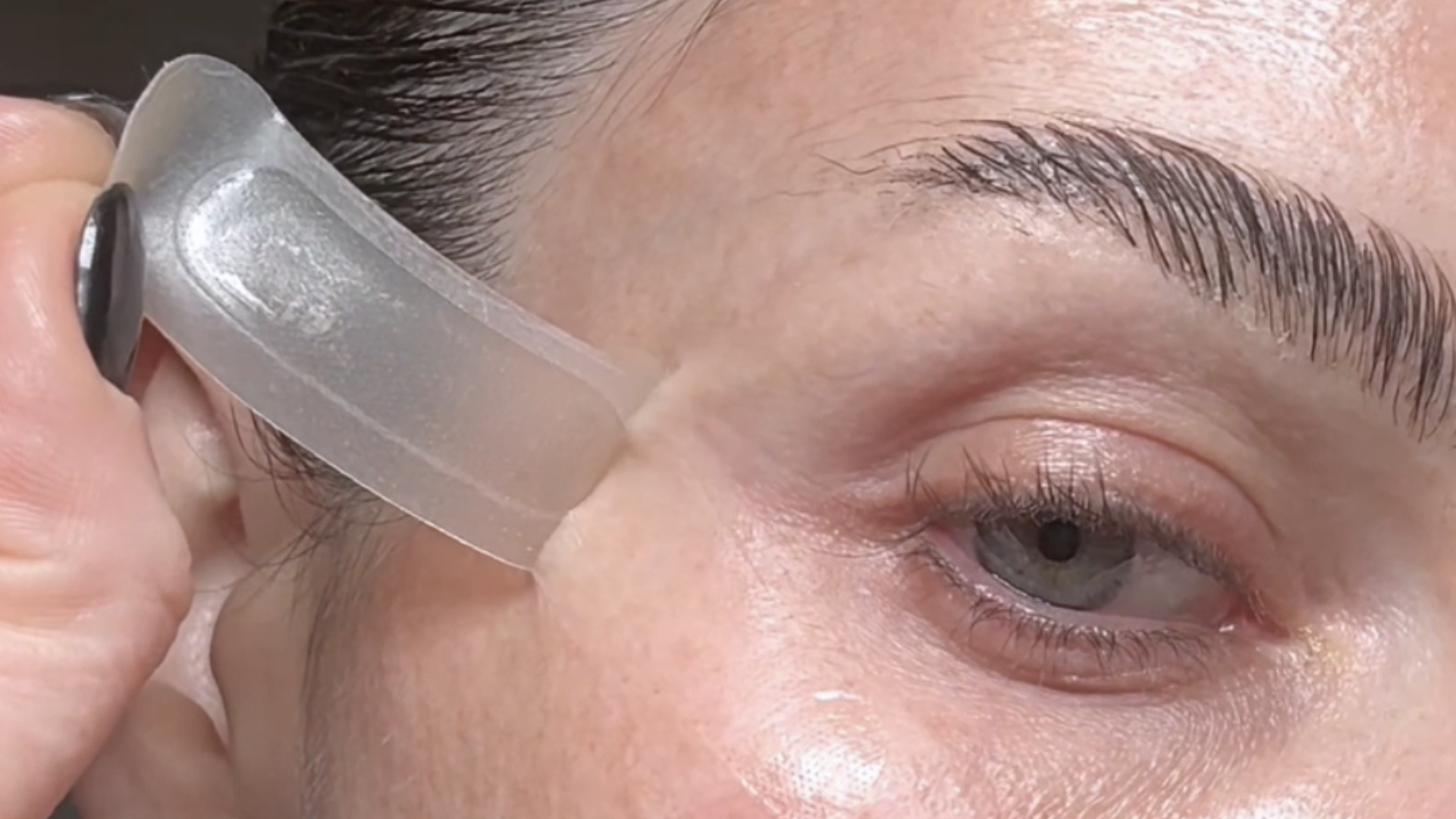
The "microstructure patch," to put it simply, is the idea that the application microstructure (the film the product creates on the skin, how it spreads, adheres, releases water and active ingredients) significantly influences its effectiveness.
Specifically, it involves:
- emulsions (oil-in-water, water-in-oil): sensation, occlusion, tolerance
- film-forming polymers: immediate tightening effect, but also moisture retention
- encapsulation systems (liposomes, microcapsules, polymers): active ingredient protection and gradual release
- formula pH: essential for certain acids and for vitamin C stability
- penetration enhancers (glycols, certain esters): double-edged sword, effective but potentially irritating
In short, yes, you can have "the right ingredient." But if the formula is poorly made, the effect is short-lived, or aggressive, or just… invisible.
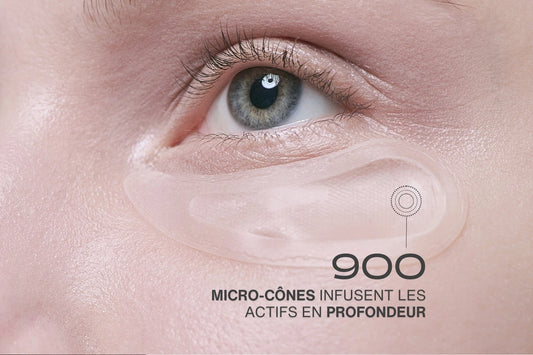
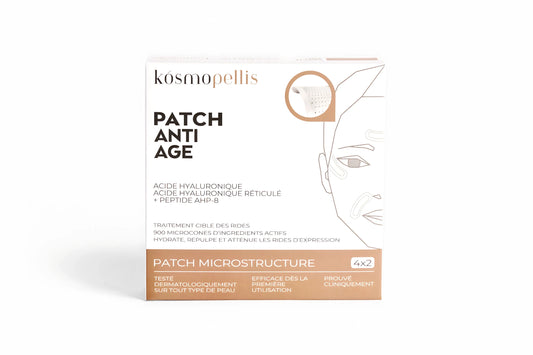
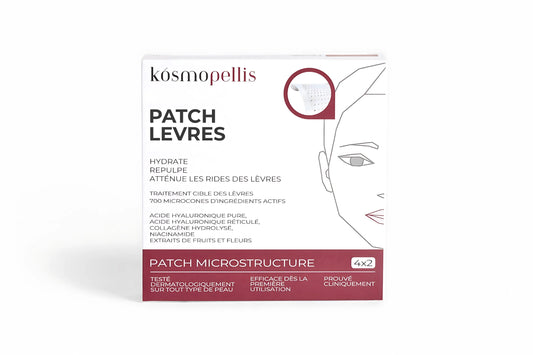
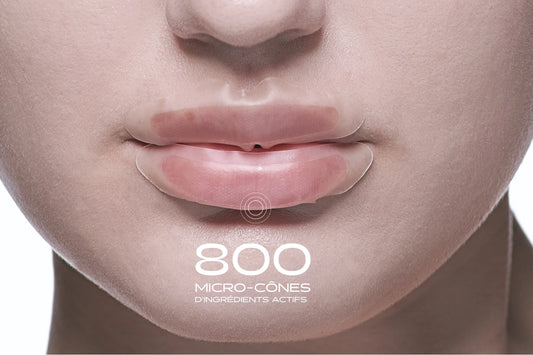
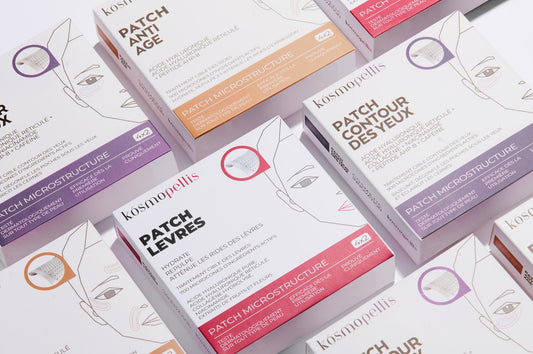
Where classical formulations try to optimize diffusion through textures or encapsulation systems, Kosmopellis has made a radical choice: directly control the entry point of the active ingredient into the skin.
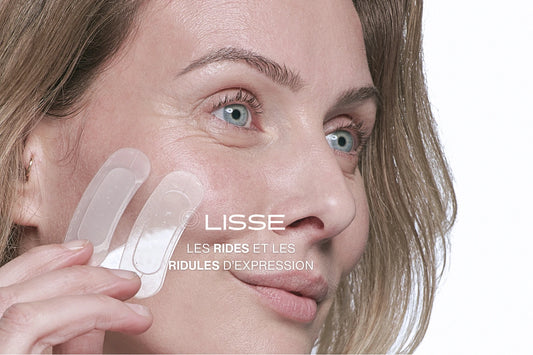
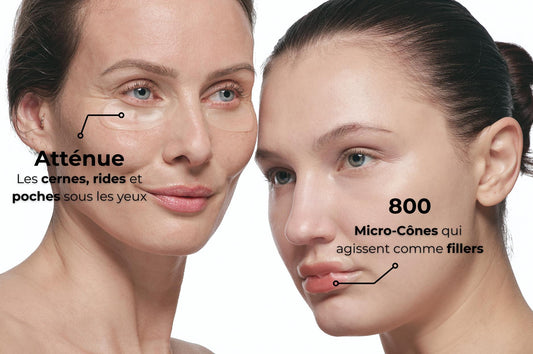
Thanks to its self-dissolving micro-cone technology, the brand bypasses the traditional limitations of topical cosmetics. Active ingredients no longer remain on the surface or depend solely on the formulation: they are delivered precisely where the skin needs them.
Concretely, this changes everything:
- Targeted and optimized diffusion: microstructures allow for much deeper and more homogeneous delivery of active ingredients
- Preserved stability: ingredients are protected until their release, avoiding oxidation or degradation
- Controlled tolerance: less need for aggressive penetration enhancers, thus respecting the skin
- Immediate and visible efficacy: the skin receives a concentration of active ingredients directly where it can act
- Premium experience: an innovative, sensorial, and non-invasive application, at the crossroads of care and technology
With Kósmopellis, microstructure is no longer just a formulation parameter.
It becomes the very core of the treatment: a new way of conceiving cosmetic performance, where the science of delivery is as important - if not more - than the choice of the active ingredients themselves.
Active ingredients that really do something for wrinkles and firmness
Retinoids: the backbone of anti-aging
If we had to keep only one family of active ingredients, it would be this one. Retinoids (retinol, retinal, retinol esters, sometimes bakuchiol as an alternative) stimulate cell renewal and support collagen production, with a solid body of literature behind them.
What you find in effective products:
- retinol: good compromise between effectiveness and accessibility, but can irritate
- retinal (retinaldehyde): often faster-acting than retinol, sometimes better tolerated, but not always
- retinyl palmitate and other esters: gentler, often less transformative
- encapsulation: very common to limit irritation and stabilize
To watch out for: an effective retinoid rarely causes "zero sensation". If it's totally invisible from the start, either you have very tolerant skin, or the dosage is timid. Conversely, strong irritation is not a badge of honor. It often hinders regularity.
Peptides: not all of them, and not just any way
Peptides is a word that's used everywhere. Some are mostly marketing, others are interesting, especially for firmness, support, and biological signals.
They are often seen in combination:
- peptides + hyaluronic acid (comfort, bounce)
- peptides + niacinamide (barrier, texture, pores)
- peptides + antioxidants (protection)
The tricky part: peptides are highly dependent on the formula (stability, penetration, compatibilities). So two "peptide" products can have radically different results.
Vitamin C: radiance, spots, collagen… but especially stability
Vitamin C is a star for good reasons: it helps with radiance, uneven complexion, and supports collagen synthesis. But it's tricky.
Common forms:
- ascorbic acid (L-ascorbic acid): very effective, but unstable, often formulated at low pH, can sting
- derivatives (SAP, MAP, ascorbyl glucoside, ethyl ascorbic acid…): more stable, sometimes gentler, variable results
Simple indicator: if the product is in a transparent bottle, with a dropper, and the formula quickly yellows… it's not necessarily dramatic, but it's not a sign of mastery either.
AHA and BHA: smoother surface, dehydration wrinkles, spots
Exfoliating acids, used intelligently, improve texture, radiance, and some fine lines (especially those related to thick, dry stratum corneum).
- AHA (glycolic, lactic, mandelic): texture, radiance, spots, fine lines
- BHA (salicylic): pores, imperfections, clearer skin
Real effectiveness, yes. But only if you don't do anything foolish with the sun. And respect skin tolerance, otherwise the barrier collapses and you get the opposite: redness, sensitivity, dehydration, inflammatory aging.
Niacinamide: the "skin hygiene" active that changes everything
It's not the sexiest active, but it's often in routines that age well.
Niacinamide helps to:
- strengthen the skin barrier
- improve complexion uniformity
- reduce the appearance of pores
- calm certain inflammations
And skin that's less inflamed, less dehydrated, is skin that shows fewer signs of aging.
Hydrating and plumping agents: effectiveness that shows quickly, but must last
Anti-aging isn't just about collagen. Many visible wrinkles are amplified by dehydration and loss of surface lipids.
Effective treatments often contain a trio:
- humectants (glycerin, hyaluronic acid, urea): attract water
- emollients (squalane, esters, oils): soften
- occlusives (dimethicone, petrolatum, certain waxes): limit water loss
Hyaluronic acid deserves a clarification: it mainly plumps by hydration. It doesn't replace a retinoid. But it makes a routine bearable, and that's huge.
Antioxidants: the "anti-damage" part that is underestimated
Aging also means accumulating oxidative damage. Antioxidants help limit the effects of UV, pollution, and oxidative stress. They don't replace SPF, but they complement it.
You often find:
- vitamin E (tocopherol)
- ferulic acid (often with vitamin C + E)
- resveratrol, Q10, EGCG (green tea)
- astaxanthin, carotenoids
Good antioxidant products often have a well-thought-out formula, because these molecules are sensitive to light and air. So packaging and stability, again.
Effective anti-aging treatments almost always contain… sunscreen (or they should)
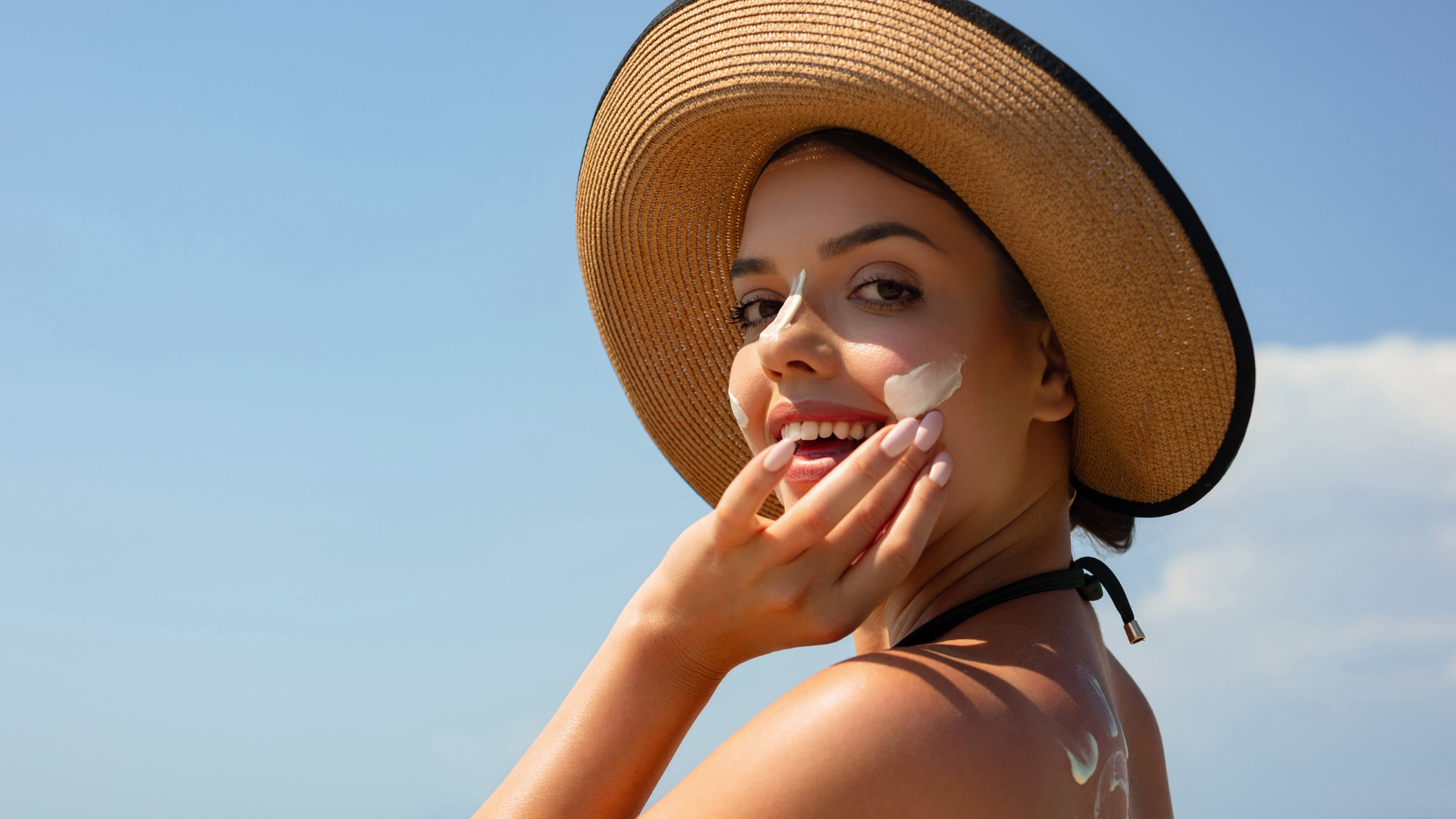
I know, it's not glamorous. But if you invest in a retinal serum, then go out without SPF, you're taking one step forward, one step back.
Visible aging is largely influenced by UV, especially UVA (those that pass through windows, which tan little but age a lot). So:
- an SPF 30 to 50 suited to your skin
- ideally with good UVA protection
- worn regularly, not just "when the weather is nice"
This is literally the foundation of effective anti-aging.
What else is found in formulas, and which is not there just for show
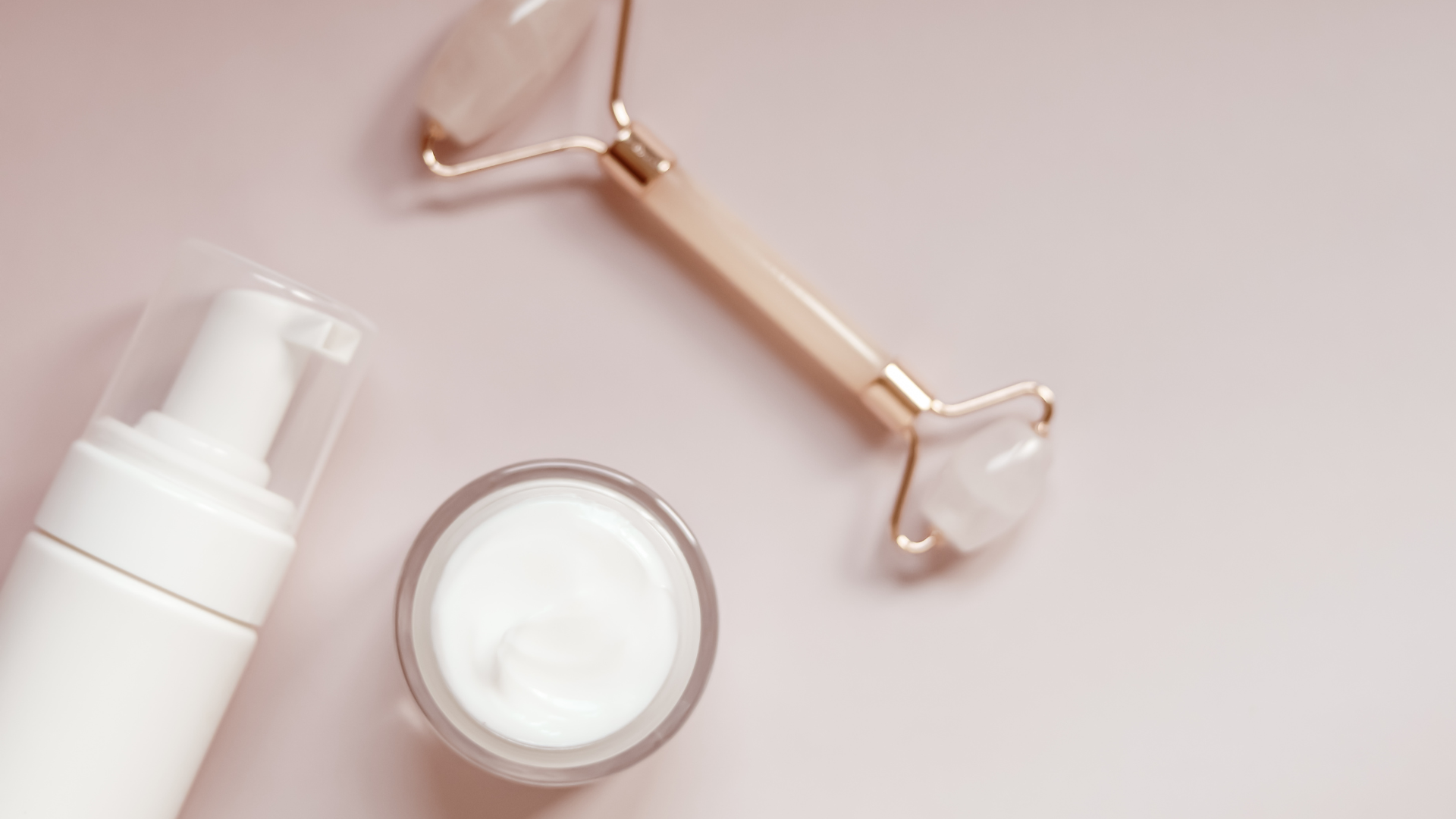
An effective treatment is often a chemical compromise. And so, it contains essential "supporting roles."
- preservatives: otherwise the product becomes a microbial soup
- chelating agents (e.g., disodium EDTA): stability, protection against oxidation
- texture agents: to ensure the product spreads well, forms a regular film (and therefore a consistent microstructure patch)
- solvents (propanediol, butylene glycol): active ingredient dissolution, penetration, comfort
- fragrances: sometimes, but beware of reactive skin
It's not uncommon for a "clean" product in the marketing sense to be less stable, or less pleasant, or less well preserved. Not always. But it happens. So you have to judge the overall result, not just the presence or absence of an ingredient that scares people on the internet.
Ingredients that give an illusion of anti-aging (and that's sometimes OK)
There are ingredients that don't deeply transform the skin, but make the face look fresher immediately. And honestly, that can be useful, as long as you know what it is.
- silicones (dimethicone, crosspolymers): smooth, blur
- powders (silica, mica): soft focus effect
- film-forming tightening agents: temporary "lift" effect
- caffeine (especially for the eye contour): decongestant
These are not scams in themselves. It's just another promise: the immediate result. The trap is when a product only does that, and it's sold as a deep treatment.
How to recognize a serious anti-aging formula without being a chemist
Some simple benchmarks.
- A clear promise: deep wrinkles, spots, firmness… a product doesn't do everything perfectly.
- One or two central active ingredients: retinoid, vitamin C, AHA, niacinamide, peptides. If the marketing list mentions 18 miracle active ingredients, be wary.
- A logic of tolerance: presence of soothing agents and barrier support (panthenol, ceramides, cholesterol, fatty acids, allantoin). Especially if the main active ingredient is irritating.
- Consistent packaging: airless, opaque, or at least designed for fragile active ingredients (vitamin C, retinoids).
- Possible regularity: the best anti-aging product is the one you can tolerate 4 to 6 times a week. Not the one you use for three days and then stop because it burns.
What to remember before buying the next jar
Effective anti-aging treatments are rarely the ones that shout the loudest. They are often quite boring on paper, but consistent: a proven active ingredient, a stable formula, a texture that helps the skin instead of fighting it, and a usage that fits into real life.
If I had to summarize in one sentence, it would be this: a good anti-aging product is a good active ingredient, well formulated, used for a long time, and protected by an SPF.
The rest is noise. Sometimes pleasant, sometimes expensive. But noise nonetheless.
Frequently asked questions
What is an effective anti-aging treatment?
An effective anti-aging treatment is a product composed of specific active ingredients, adapted textures, filters, and preservatives that act durably on the skin to reduce wrinkles, loss of firmness, and uneven skin tone, while preventing accelerated aging, notably through photoprotection.
What skin problems do anti-aging treatments primarily target?
Anti-aging treatments primarily target three families of problems: wrinkles and fine lines related to collagen and elasticity, loss of firmness due to dermal sagging and glycation, as well as an uneven complexion with spots, redness, and irregular texture. They also include the prevention of accelerated aging.
Why are the texture and microstructure of an anti-aging treatment important?
The microstructure of a treatment influences its ability to deliver active ingredients effectively without irritation. The nature of emulsions, film-forming polymers, encapsulation systems, pH, and penetration enhancers play a crucial role in ensuring good diffusion of active ingredients and optimal tolerance.
What are the essential active ingredients for fighting wrinkles and improving firmness?
Retinoids are the backbone of effective anti-aging treatments: retinol, retinaldehyde, retinol esters, or alternatives like bakuchiol stimulate cell renewal and collagen production. Encapsulation is often used to limit irritation and stabilize these active ingredients.
How can one identify a product containing effective retinoids?
A product with effective retinoids usually causes a mild but noticeable sensation at first. A complete lack of effect may indicate a low dosage or very good skin tolerance. Conversely, strong irritation is not desirable as it can prevent regular use, which is necessary for long-lasting results.
What role do peptides play in anti-aging skincare?
Peptides are often used in anti-aging skincare, but not all of them are effective or scientifically validated. Some peptides specifically target collagen support or other mechanisms related to skin firmness, but their effectiveness depends on the precise type of peptide used and their formulation.