Understanding Skin Aging: 5 Steps to Fight the Signs of Time
Introduction
Understanding skin aging is essential for effective skin care. This phenomenon, a natural process, typically begins between 25 and 30 years of age. It is characterized by a decrease in cell renewal capacity, leading to a duller complexion and the appearance of the first wrinkles.
The importance of understanding this process lies in the ability to adapt one's care to slow down the signs of time. By identifying the factors that influence skin aging, you can better protect your skin against external aggressions and maintain its natural radiance.
This article aims to guide you through five key steps to combat the signs of time. You will discover how to distinguish the different types of aging, understand the underlying causes, and adopt practical solutions to preserve the youth and health of your skin.
1. What is skin aging?
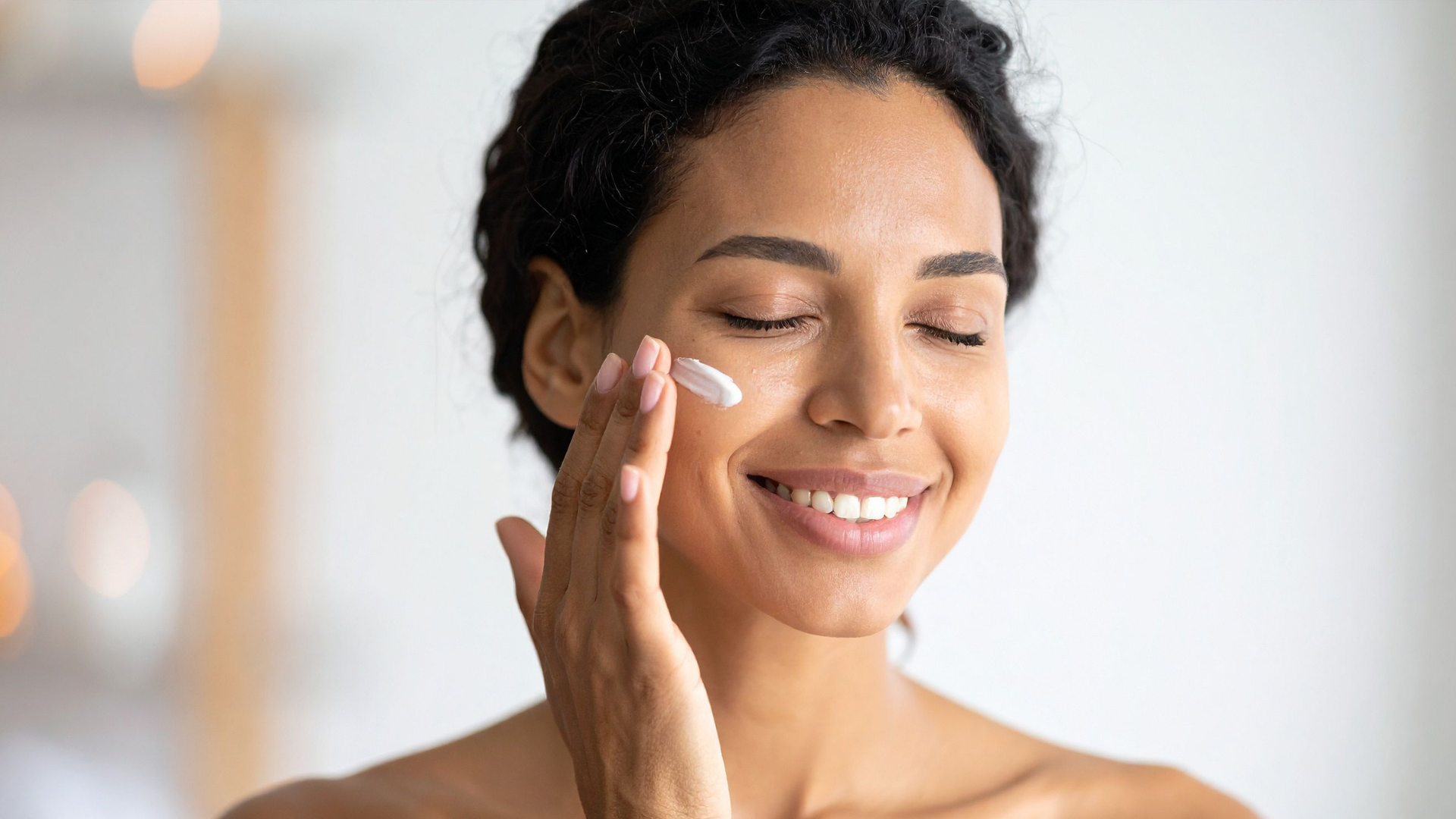
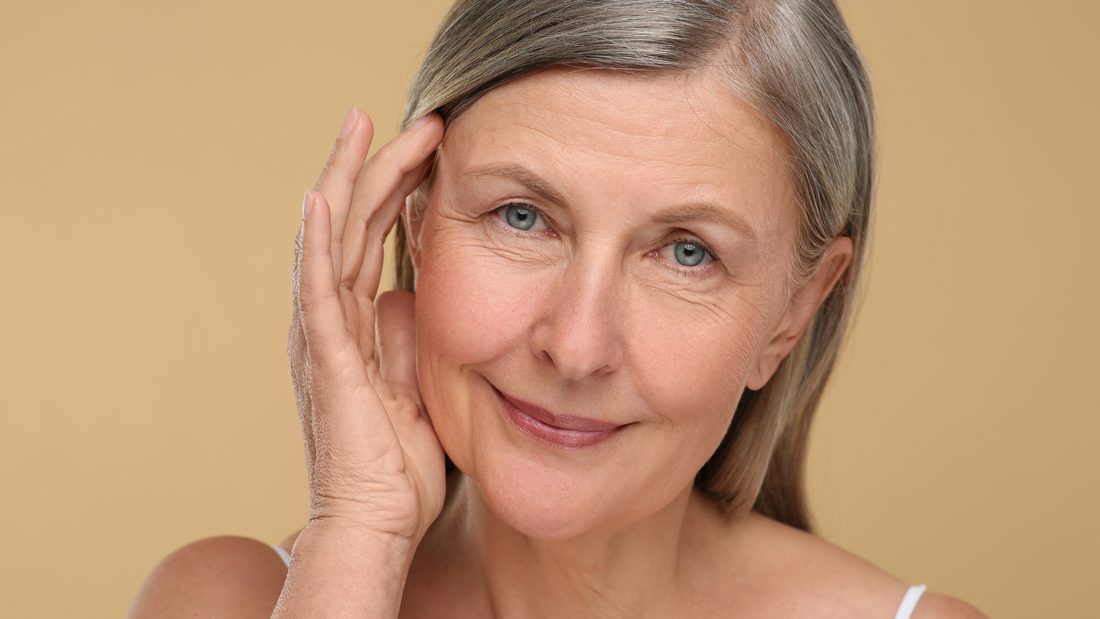
Skin aging manifests as an inevitable natural process that every individual faces over time. From their twenties, the skin begins to show subtle signs of this phenomenon, reflecting a gradual decrease in cellular regeneration capacity. This complex process is influenced by several factors, both internal and external.
There are mainly two types of aging:
- Chronological aging: This type of aging is intrinsic and results from the passage of time. It is largely determined by genetic and hormonal factors, affecting essential cellular structures such as collagen and elastin.
- Photoaging: Primarily caused by excessive exposure to UV rays, this type of external aging accelerates the visible signs of time. Sun damage can lead to dark spots and increased loss of elasticity.
Internal factors include genetics and hormonal changes, while external factors include sun, smoking, and repeated facial expressions. These combined influences dictate how and how quickly the skin shows visible signs of aging.
2. The causes of skin aging
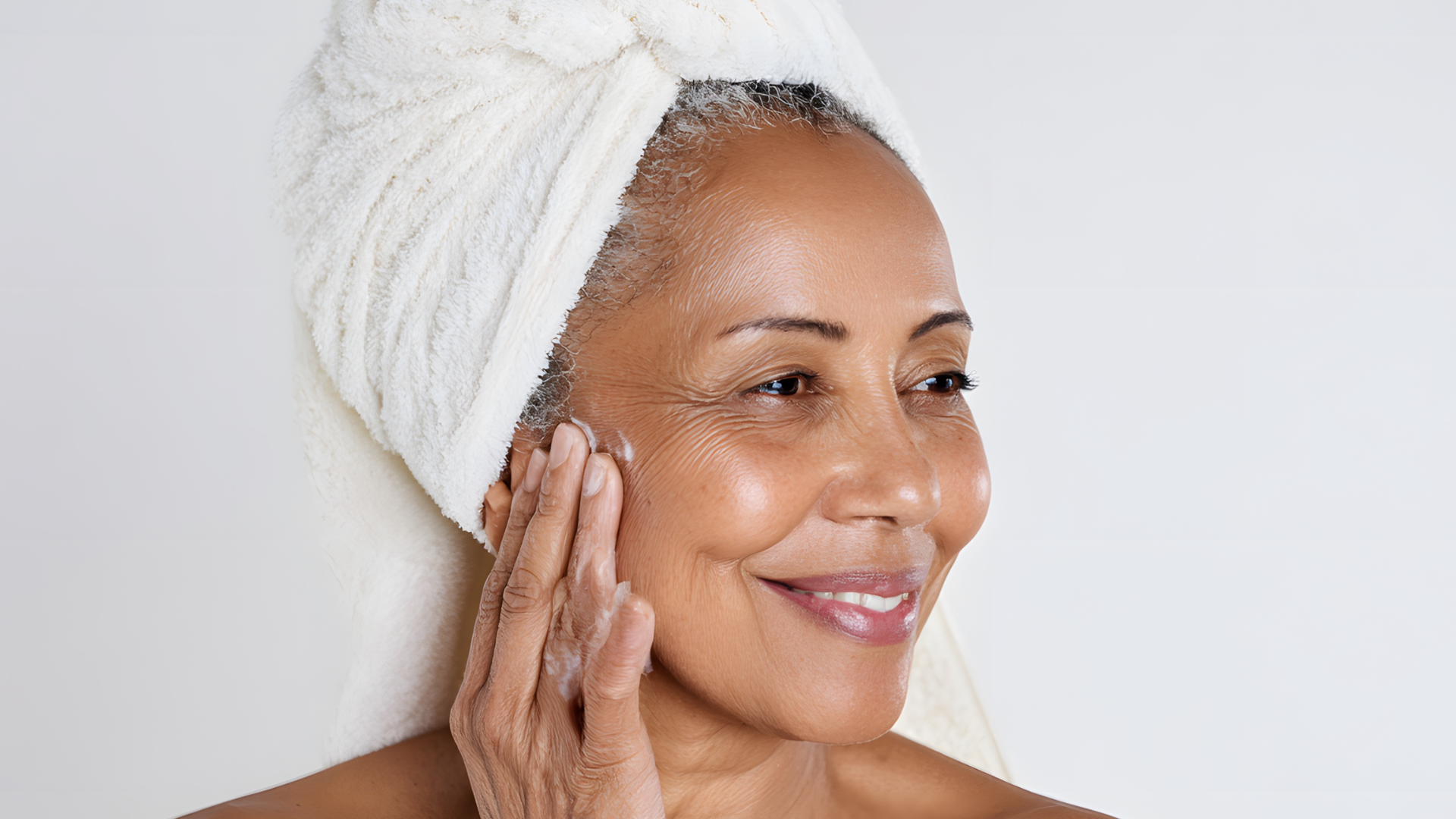
Skin aging is influenced by a combination of intrinsic and extrinsic factors.
Intrinsic factors
Intrinsic factors, mainly genetic and hormonal, play a crucial role in the degradation of cellular structures:
- With age, cell renewal naturally slows down, leading to a loss of skin elasticity and firmness.
- Hormonal changes, such as the reduction in estrogen levels in menopausal women, accentuate these effects by affecting the production of collagen and elastin.
Extrinsic factors
Extrinsic factors are dominated by environmental influences:
- Sun exposure is one of the main culprits of premature skin aging. UV rays directly damage collagen fibers and trigger excessive melanin production, leading to the appearance of dark spots.
- Smoking also contributes to this process by reducing cutaneous blood circulation, which deprives the skin of oxygen and essential nutrients.
- Finally, repeated facial expressions can form permanent wrinkles over time due to the constant contraction of facial muscles.
Identifying and understanding these causes will allow you to adopt effective strategies to slow down skin aging and preserve healthy skin for longer.
3. Cellular changes associated with aging
Understanding skin aging requires an exploration of the cellular transformations that occur with age.
1. Fibroblasts
These cells play a crucial role in the production of elastin and collagen, two essential proteins for maintaining skin elasticity and firmness. Over time, fibroblast activity decreases, leading to a reduction in the production of these proteins, which contributes to the appearance of wrinkles and loss of tone.
2. Keratinocytes
Their activity also decreases with age, affecting the skin barrier. Keratinocytes are responsible for surface cell renewal, forming a protective barrier against external aggressions. A decrease in their effectiveness results in drier skin that is more vulnerable to environmental damage.
3. Melanocytes
The dysregulation of their pigment production is another consequence of aging. These cells produce melanin, responsible for skin pigment. Over time, their functioning can become irregular, causing uneven pigmentation spots commonly known as dark spots.
These cellular modifications are fundamental to understanding how skin changes over time and why it requires particular care at each stage of the aging process.
4. How to fight the signs of time?
Adopting a skin care routine adapted to each age is essential to prevent skin aging. Skin hydration and nutrition play a crucial role in maintaining its radiance and firmness. Using moisturizing creams rich in active ingredients can help nourish and revitalize the skin. Daily sun protection is essential to protect against photo-induced aging. Broad-spectrum sunscreens not only protect against UV rays but also reduce the risk of dark spots appearing.
In addition to skin care, adopting healthy lifestyles significantly contributes to slowing down the skin aging process. Quitting smoking is a crucial step, as it not only harms your general health but also accelerates skin aging. A balanced diet, rich in antioxidants, vitamins, and minerals, supports cellular health and improves the appearance of your skin.
Stress management and restful sleep are also key elements in this fight. Chronic stress can negatively affect the skin, while good rest allows cells to regenerate effectively. These healthy habits combined with appropriate care can make a big difference in preserving your skin's youth.
5. Available anti-aging treatments and solutions
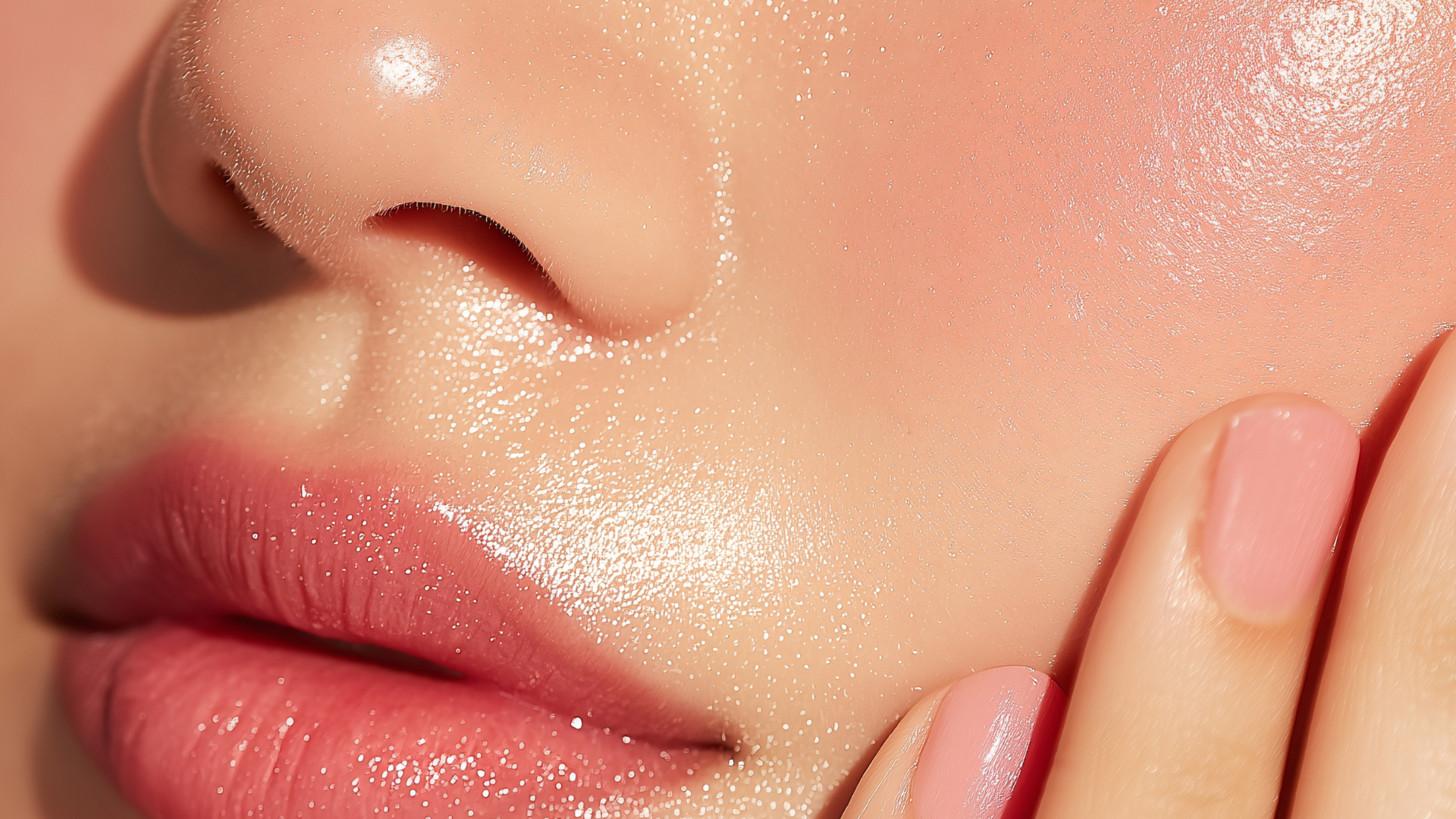
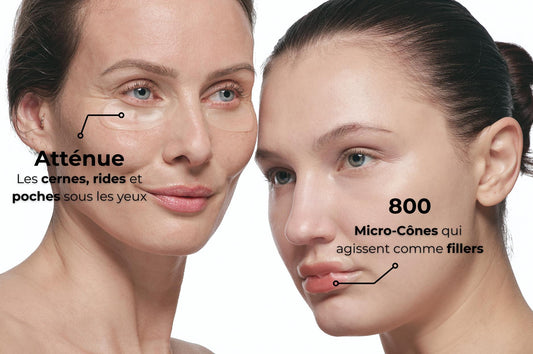
Exploring aesthetic treatments can be an important step for those looking to combat the signs of skin aging. Among the popular options, Botox and fillers hold a prominent place in the market. Botox, used to smooth fine lines and expression wrinkles, works by temporarily relaxing the underlying muscles. Fillers, on the other hand, are injected to restore lost volume and fill deeper wrinkles.
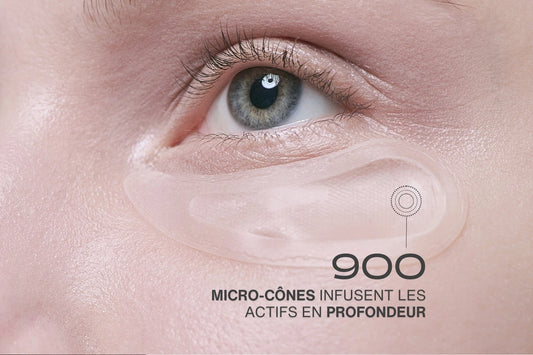
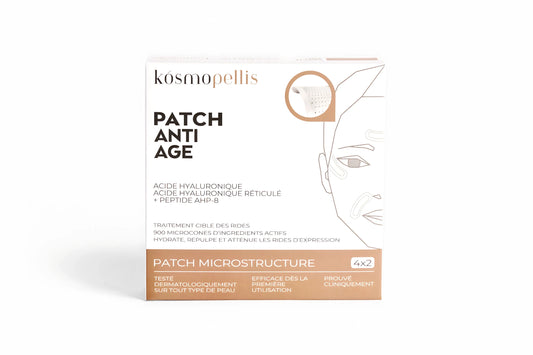
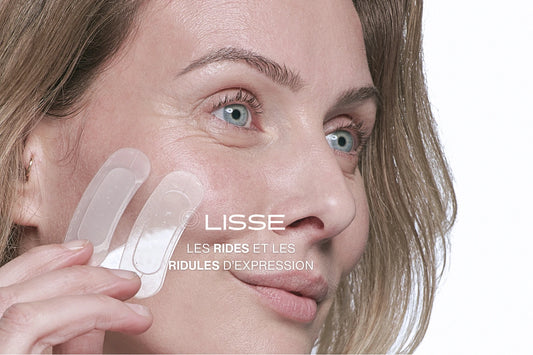
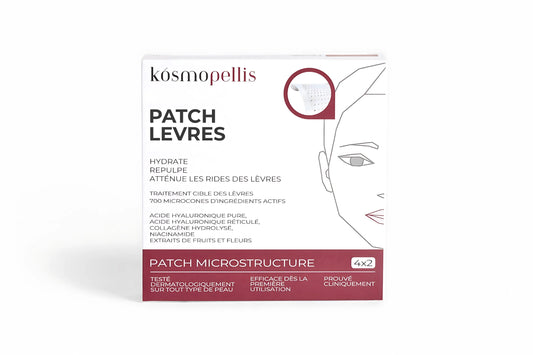
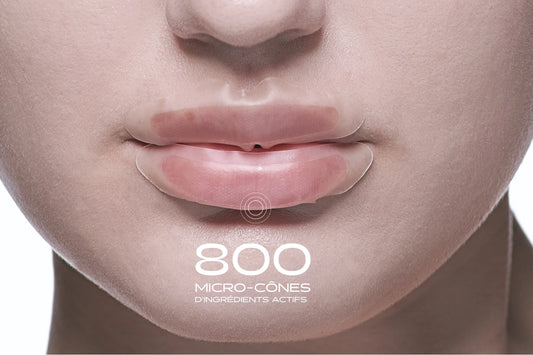
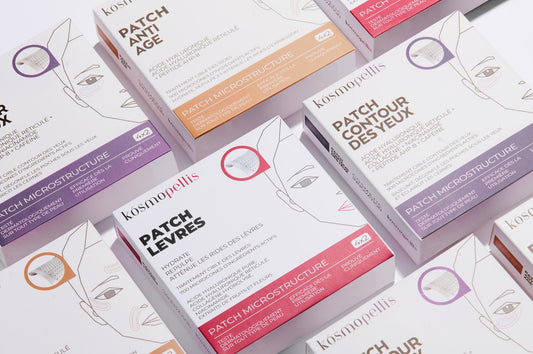
Innovations in dermatology have also introduced novel solutions such as the Kósmopellis microstructure patch. This device uses tiny structures to deliver anti-aging active ingredients directly into the skin, thereby improving the effectiveness of treatments.
Recent advances also include developments in cosmetic products with formulations enriched with active ingredients such as hyaluronic acid, peptides, and retinoids. These products aim to stimulate collagen production and improve skin elasticity.
Opening up to these diverse solutions allows addressing the specific needs of each individual while integrating a proactive approach against skin aging.
Conclusion
Taking care of your skin from a young age is essential. The importance of prevention cannot be underestimated, as it represents the first step towards healthy and radiant skin. A holistic approach is necessary to effectively combat skin aging: adopting an adapted skin care routine, integrating healthy lifestyle habits, and staying informed about advances in dermatology.
Understanding skin aging and its mechanisms allows for better personal care. Protecting your skin today is preserving its beauty for tomorrow.