7 Layers Under the Skin: How to Understand Them in 5 Steps
Introduction
Human skin is a fascinating organ, made up of three main layers: the epidermis, the dermis, and the hypodermis. Each of these layers plays a crucial role in the body's overall protection and health. Understanding these 7 layers under the skin offers valuable insights into improving your dermatological health.
A good understanding of skin structure helps you choose appropriate care and prevent dermatological problems. This article aims to guide you through these various layers, explaining their essential role in maintaining healthy skin. Discover how each layer contributes to the protection, hydration, and elasticity of your skin. Dive into this subcutaneous journey to enrich your knowledge and improve your daily care routine.
Step 1: The epidermis, the outer layer

The epidermis is the outer layer of our skin. It acts as an essential protective barrier against external aggressions. This layer is composed of several cellular sub-layers, each playing a crucial role in protecting and maintaining skin health.
Cellular composition
- Keratinocytes: These cells make up about 90% of the cells in the epidermis. Their primary function is to produce keratin, a robust protein that strengthens and protects the skin. Keratinocytes create a physical barrier against mechanical and chemical aggressions.
- Melanocytes: Located mainly in the basal layer of the epidermis, these cells produce melanin, the pigment responsible for skin color. Melanin plays a protective role by absorbing ultraviolet (UV) rays from the sun, thus preventing damage to the DNA of skin cells.
Importance of the hydrolipidic film
The hydrolipidic film is a thin layer of water and lipids that covers the epidermis. It contributes to:
- Hydration: By maintaining a moisture balance, it prevents dry skin, which is a common problem that can affect skin health.
- Skin barrier: This thin layer protects against microbial infections and helps maintain the structural integrity of the epidermis.
Understanding the importance of keratinocytes and melanocytes, as well as the hydrolipidic film, helps appreciate the fundamental role of the epidermis in our daily dermatological health.
Step 2: The dermis, the intermediate layer

The dermis is a complex structure located beneath the epidermis. It constitutes a thick, firm, and elastic layer that plays a fundamental role in the skin's resistance and elasticity. Composed mainly of collagen and elastin, the dermis ensures skin firmness and suppleness, two essential qualities for maintaining the integrity of our body's outer covering.
Structure of the dermis
- Collagen: This key component gives the dermis its firmness. Collagen accounts for about 70% of the skin's dry weight and is responsible for its resistance to stretching and pressure.
- Elastin: Present in smaller quantities than collagen, elastin allows the skin to return to its shape after being stretched or compressed. It contributes to the skin's natural elasticity.
Role of the dermis
The combination of collagen and elastin makes the dermis indispensable for preventing skin sagging with age. Over time, these fibers can deteriorate due to various factors such as sun exposure or natural aging, leading to a loss of elasticity and the appearance of wrinkles.
In addition to these structural functions, the dermis houses nerve endings that allow for sensory perception, as well as sweat and sebaceous glands that participate in the skin's thermal and moisture regulation.
This intermediate layer therefore plays a crucial role not only in aesthetic appearance but also in essential physiological functions, thus ensuring optimal protection and maintenance of skin functions.
Step 3: The hypodermis, the deep layer

The hypodermis, often overlooked in the exploration of the 7 layers under the skin, plays an essential role in maintaining our well-being. Composed mainly of adipose tissue, it performs various indispensable functions:
- Thermal insulation: The hypodermis acts as a natural insulator, helping to regulate body temperature by preserving internal heat. This function is crucial for maintaining a stable temperature despite external climatic variations.
- Shock absorber: Located deep within, this adipose tissue offers protection against physical impacts. It absorbs shocks and thus minimizes the risk of injury to internal structures during a fall or blow.
- Energy storage: The hypodermis also serves as an energy reservoir by storing fats. These reserves are mobilized by the body during periods of increased energy needs, thus ensuring a continuous source of energy.
- Protection of internal organs: Thanks to its flexible but resistant structure, this layer protects vital organs from external trauma, acting as an additional physical barrier.
The hypodermis is not just a simple fat deposit; it is a key element of the cutaneous system that supports and protects the entire human body.
Step 4: Multiple roles of the skin beyond the layers

The skin is not merely a physical barrier; it plays an essential role in our overall well-being.
- Skin protection: The skin's local immune system acts as an active defense against external aggressions, such as bacteria and chemicals. This protection is provided by specialized cells that detect and neutralize pathogens before they reach deeper layers.
- Thermal regulation: The sweat glands and blood vessels located in the dermis participate in the effective regulation of body temperature. In case of excessive heat, these glands secrete sweat which, by evaporating, cools the skin's surface. At the same time, the dilation or constriction of blood vessels allows for the control of heat dissipation or conservation.
- Vitamin D synthesis: The skin plays a key role in the synthesis of vitamin D. Under the effect of the sun's UVB rays, a chemical precursor present in the epidermis is transformed into vitamin D3, essential for maintaining strong bones and supporting the immune system.
Each function demonstrates how crucial it is to maintain healthy skin to preserve not only its appearance but also its ability to protect the body.
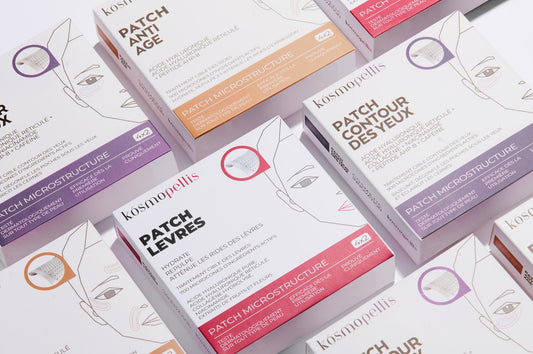
Microstructure patch: the innovative micro-cone technology

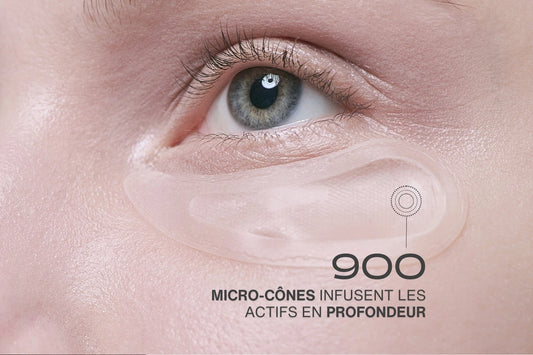
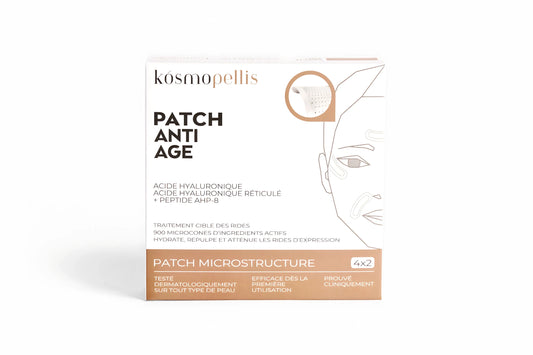
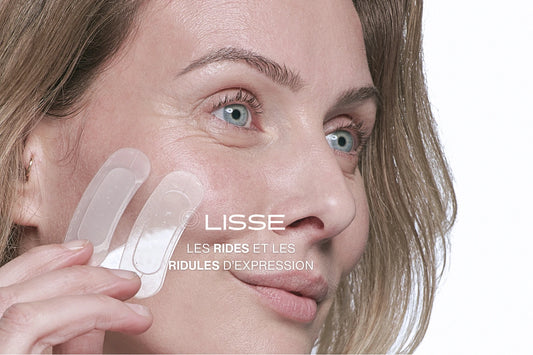
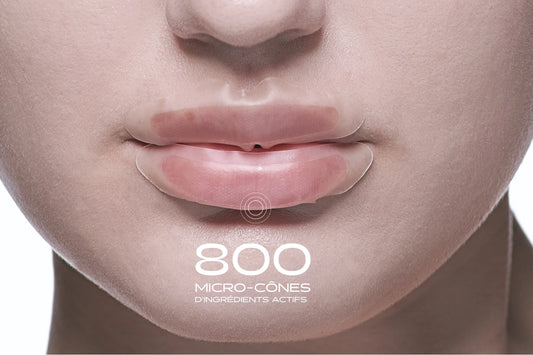
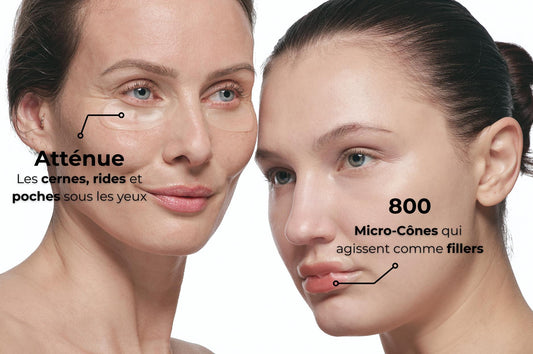
The micro-cone technology, developed by Kosmopellis, represents a revolutionary advancement in skin health. This innovative system consists of a patch that penetrates the upper layer of the epidermis, allowing for efficient and targeted delivery of active ingredients deep within the skin.
Key Features:
- Targeted Penetration: Thanks to its unique structure, the micro-cone patch reaches the deep layers of the skin without causing pain or discomfort.
- Optimal Diffusion: Active ingredients are released gradually, maximizing their effectiveness and absorption by the skin.
Benefits for the Skin:
Improved Skin Protection:
- Active ingredients strengthen the skin barrier, contributing to better protection against external aggressions such as bacteria and chemicals.
Balanced Thermal Regulation:
- By optimizing hydration and the structure of the epidermis, the patch helps maintain adequate thermal regulation, essential for healthy skin.
Stimulated Vitamin D Synthesis:
- Certain ingredients contained in the patch can promote the synthesis of vitamin D, playing a crucial role in our general well-being.
The innovation of micro-cone patches fits perfectly into a holistic approach to skin care, offering an effective and modern solution to specific dermatological needs.
Conclusion
Taking care of your skin is essential for maintaining good skin health. Understanding the 7 layers under the skin allows for adopting appropriate care. Protect your skin from harmful environmental factors, such as sun exposure and pollution, which can accelerate skin aging and cause various dermatological problems. Adopt a skin care routine adapted to your skin type and be attentive to signs of skin distress to preserve its natural radiance and vitality.