Is your moisturizer not enough? Find out why!
The importance of hydrating the skin cannot be underestimated. Hydration helps maintain the skin's moisture balance and prevent dehydration, which can cause discomfort, tightness, redness, and accelerate skin aging. Many believe that a moisturizer is sufficient to meet all their skin's needs. This common misconception deserves to be examined.
Hydrating your skin is not limited to applying a moisturizer. Skin requires not only water but also lipids to restore and strengthen its protective barrier. A moisturizer alone cannot provide all the necessary elements for optimal hydration.
Why hydrating your skin is not enough?
- Dry skin often lacks lipids, while dehydrated skin lacks water.
- A good cream must contain hydrating agents such as vegetable glycerin, hyaluronic acid, or urea, and nourishing agents like vegetable oils and butters.
- The skin's hydrolipidic film can be altered by internal factors (stress, poor diet) and external factors (pollution, cold, hard water, sun).
It is therefore essential to adopt a holistic approach to skin care to ensure effective long-term hydration.
Understanding Skin Hydration

Skin hydration is essential for maintaining healthy, radiant skin. Skin contains approximately 80% water in the dermis, highlighting the vital importance of water for its optimal functioning.
The hydrolipidic film plays a crucial role as a natural protective barrier. It is composed of sebum and sweat, forming a layer that prevents excessive water loss while protecting against external aggressions such as UV rays and pollution.
Skin dehydration can lead to several unpleasant consequences:
- Tightness: a sensation of discomfort on the skin, often accompanied by itching.
- Redness: visible irritation due to a compromised skin barrier.
- Premature aging: lack of hydration accelerates the appearance of fine lines and wrinkles.
Understanding these aspects allows for a better grasp of your skin's specific needs to maintain its moisture balance and strengthen its natural protection.
The need for lipids: an often overlooked factor
The confusion between dry skin and dehydrated skin is common, but the distinction is essential for effectively targeting your skincare. Dry skin suffers from a lack of lipids, while dehydrated skin primarily lacks water. This difference dictates how you should adapt your routine.
- Dry skin: the lipid deficiency weakens the skin barrier. It becomes permeable, allowing water to escape more easily and exposing the skin to external aggressions.
- Dehydrated skin: here, the skin retains its lipid barrier, but it lacks water in the superficial or deep layers.
Lipids play a key role in maintaining the hydrolipidic barrier. Without them, even the best moisturizer is not enough to restore skin comfort. Lipids act like a natural "cement": they fill the spaces between cells and strengthen the skin's impermeability.
For supple and protected skin, it is essential to provide lipids through appropriate care (vegetable oils, butters) to repair and strengthen the lipid barrier.
The addition of lipids then becomes an essential step to prevent dryness, limit tightness, and prevent the hydration provided by your cream from evaporating too quickly.
Essential ingredients for a good moisturizer
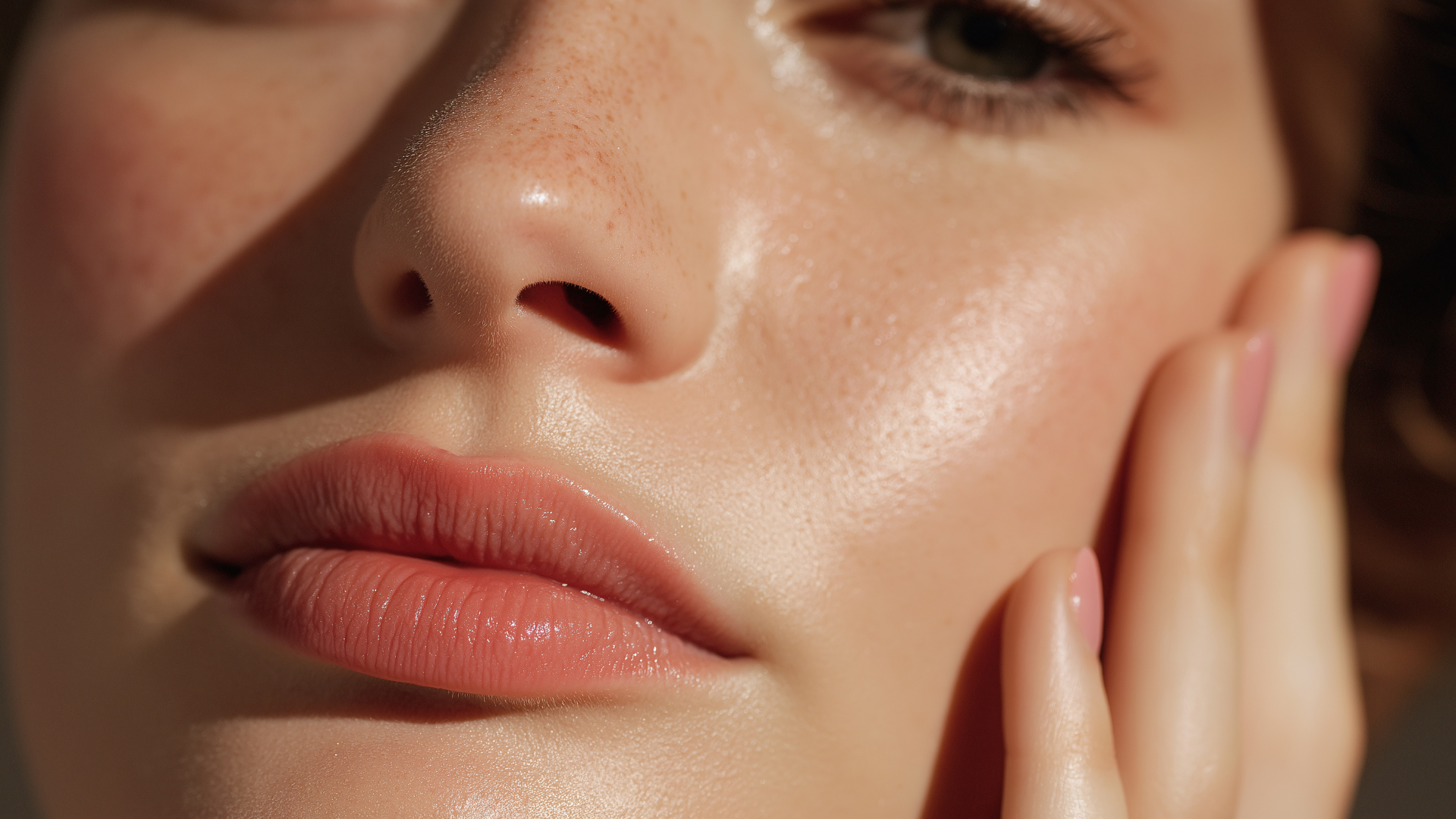
Choosing an effective moisturizer is not just about applying a simple cream. Two categories of active ingredients are essential to meet the skin's needs: hydrating agents and nourishing agents.
Hydrating agents
Hydrating agents play a key role in retaining water within the epidermis. Among the most effective:
- Vegetable glycerin: attracts and retains water, ensuring continuous hydration.
- Hyaluronic acid: naturally present in the skin, it can retain up to 1,000 times its weight in water, instantly plumping up skin tissue.
- Urea: promotes deep hydration while softening the skin's surface.
Nourishing agents
Alongside these active ingredients, nourishing agents protect against water evaporation and repair the hydrolipidic film:
- Vegetable oils (jojoba, avocado, sweet almond): rich in essential fatty acids, they strengthen the natural barrier.
- Butters (shea, cocoa): form a protective layer that limits hydration loss.
Applying only hydrating agents is not enough if the skin barrier is weakened. Nourishing agents act as a shield and allow hydrating active ingredients to remain effective longer.
Without this synergy between hydrating and nourishing agents, moisturizing your skin is not enough to guarantee daily comfort and radiance. The formulation must always combine these two families of ingredients.
Internal and external factors that alter our skin barrier
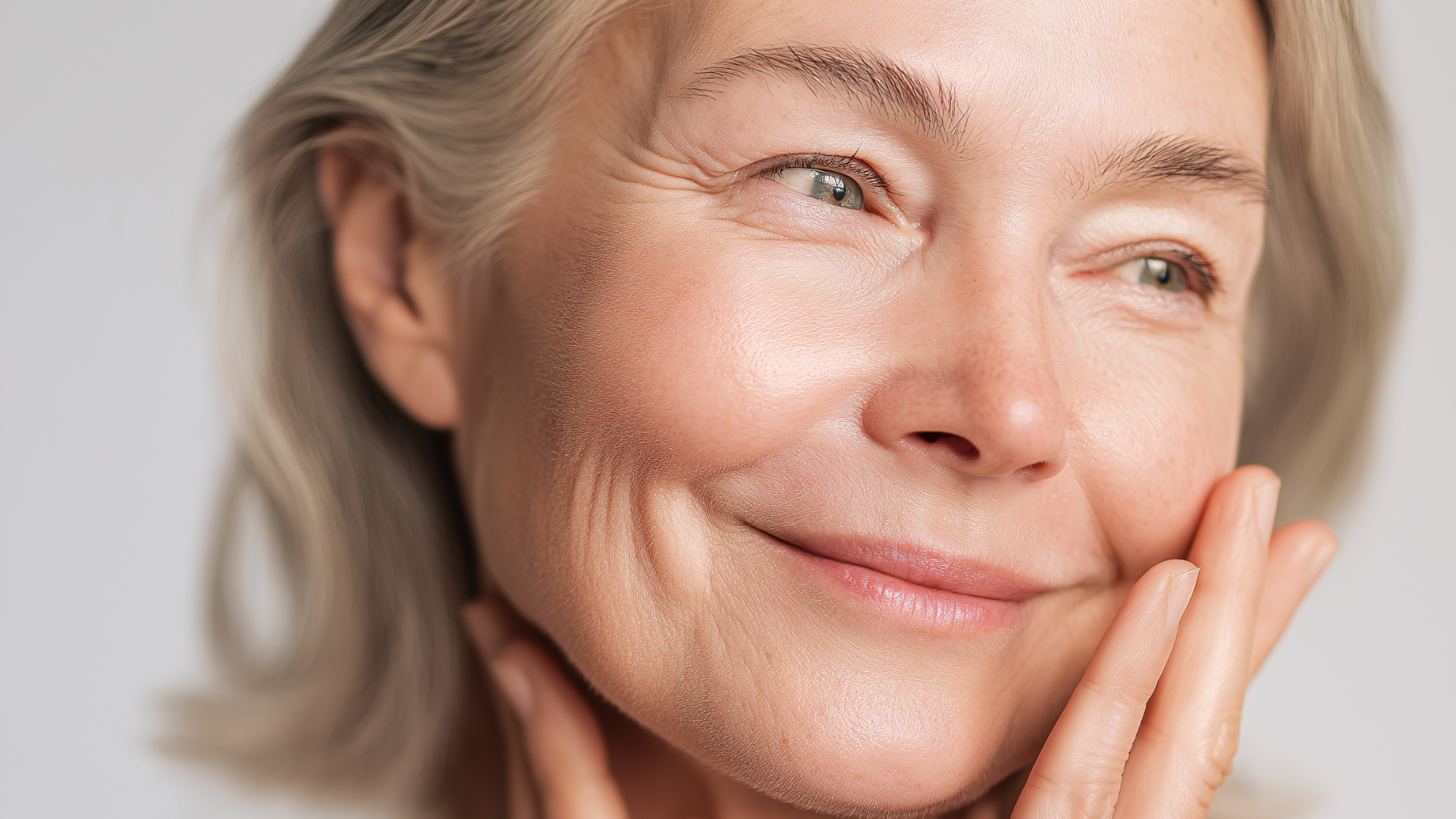
Impact of stress and poor diet on our skin barrier
Stress can play a significant role in altering the skin barrier. Chronic stress increases the production of cortisol, a hormone that can weaken the skin's natural defenses, leading to increased sensitivity, redness, and blemishes. A poor diet, rich in refined sugars and saturated fats, can also disrupt the skin's hydrolipidic balance. Deficiencies in essential nutrients such as vitamins and minerals can reduce the skin's ability to repair itself and maintain its hydration.
External aggressions such as pollution, cold, sun, and hard water
External aggressions are also responsible for altering our skin barrier:
- Pollution: fine particles present in polluted air can penetrate the skin and cause inflammation, irritation, and premature aging.
- Cold: low temperatures reduce sebum production, leading to increased skin dryness.
- Sun: prolonged exposure to UV rays can damage skin cells and degrade collagen, thus causing premature aging.
- Hard water effects: hard water, rich in minerals like calcium and magnesium, can dry out the skin and disrupt its natural balance.
These internal and external factors highlight the importance of an adapted skincare routine to protect and strengthen our skin barrier.
The importance of a holistic approach for well-hydrated skin
Internal hydration is just as essential as external hydration. To support overall skin balance, it is imperative to drink enough water every day. Good water consumption helps maintain skin hydration from within, thus promoting its suppleness and radiance.
Internal hydration: drinking water
Water represents approximately 80% of the skin's dermis. By drinking regularly, you allow your body to maintain this vital moisture balance. Internal dehydration can manifest as tightness, redness, and premature skin aging. It is therefore recommended to consume at least 1.5 to 2 liters of water per day for optimal hydration.
Complementarity between internal and external hydration
For well-hydrated skin, combining these two approaches is essential:
- External hydration: use creams rich in hydrating agents (such as vegetable glycerin, hyaluronic acid) and nourishing agents (vegetable oils, butters).
- Internal hydration: drink enough water every day.
This complementarity not only strengthens the hydrolipidic film but also improves the overall health of your skin. You will thus obtain skin that is more resistant to external aggressions and better protected against signs of dehydration.
Microstructure patches: deep hydration
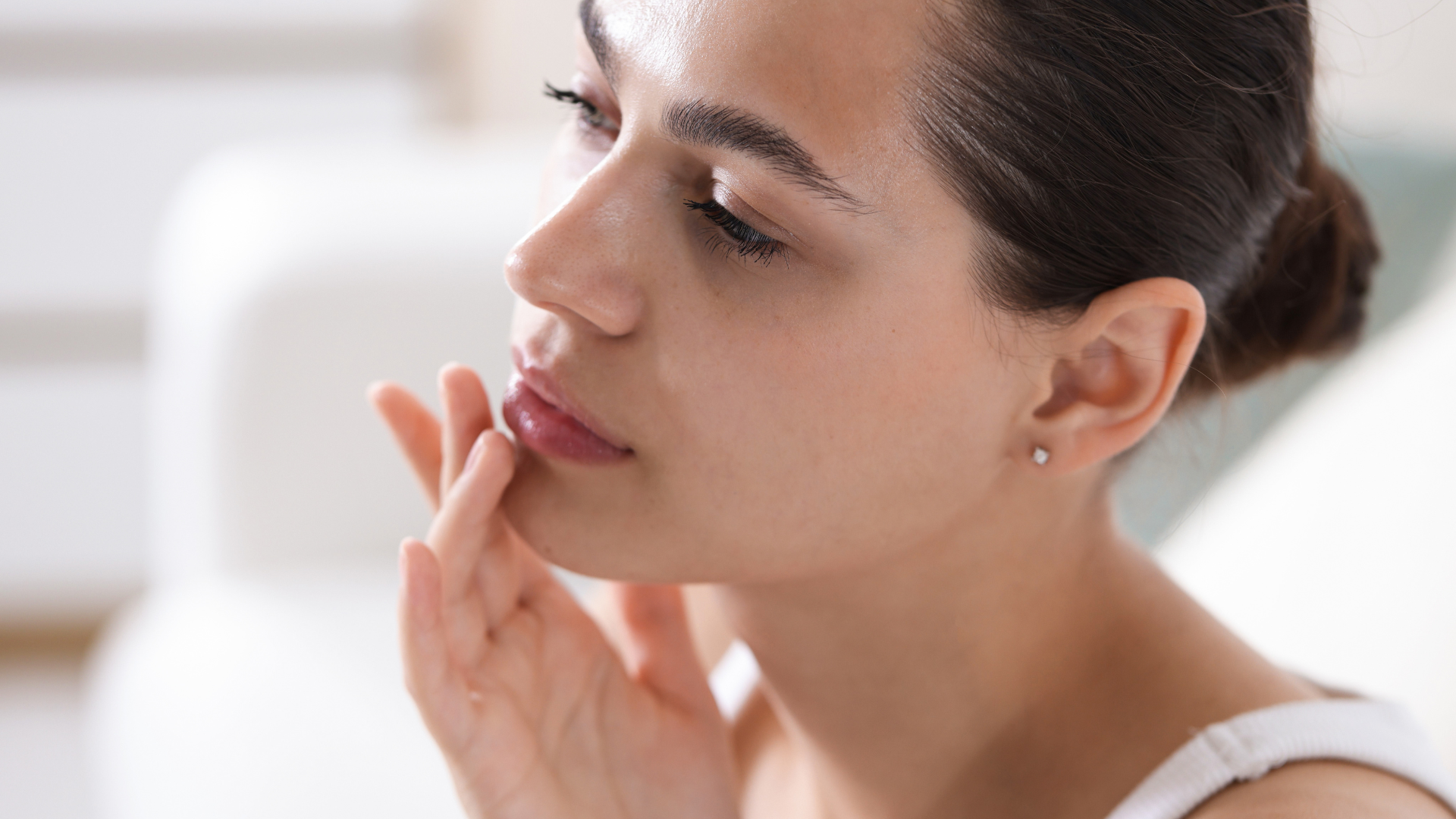
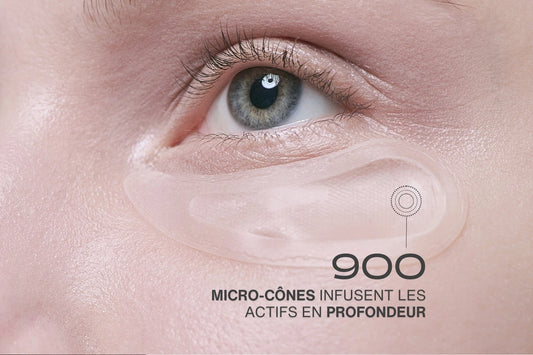
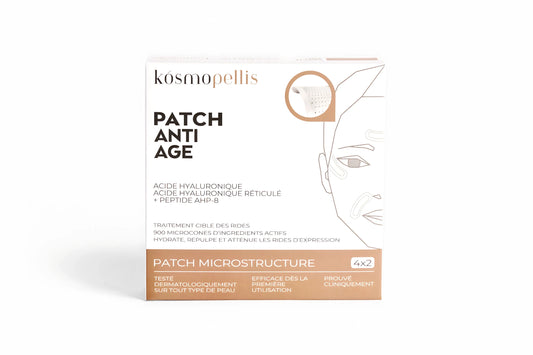
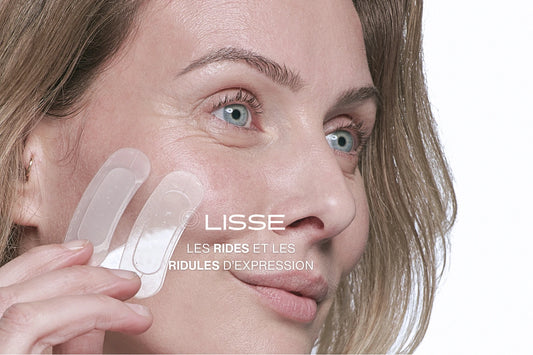
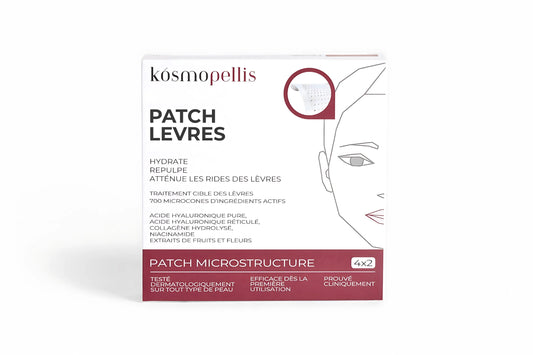
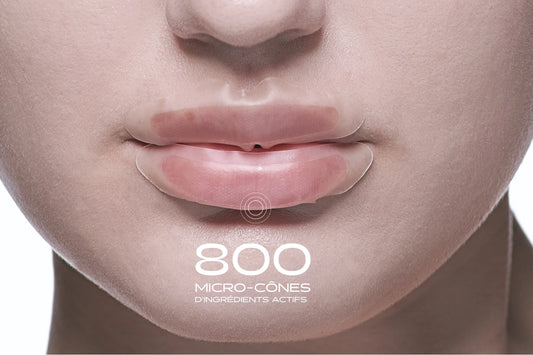
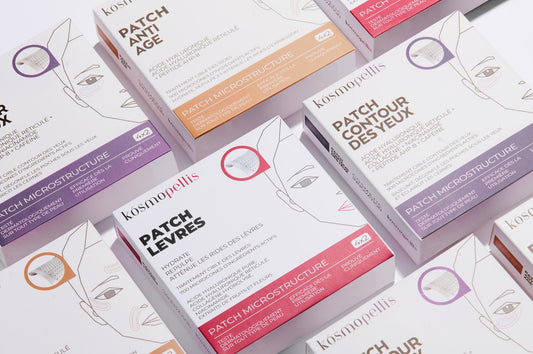
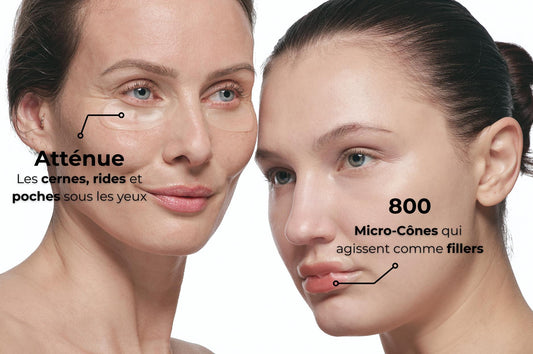
Microstructure patches offer an innovative solution for deep skin hydration. Unlike classic creams, these patches penetrate the upper layer of the epidermis and deliver active ingredients under the skin.
Advantages of microstructure patches:
- High penetration: A classic cream achieves about 30% active ingredient penetration, while a microstructure patch like those from Kosmopellis allows 75% penetration within the first 30 minutes of application.
- Immediate results: Results are visible quickly, offering an effective alternative to hyaluronic acid injections.
Microstructure patches ensure more effective internal hydration, strengthening overall skin balance. The technology used not only maximizes the diffusion of active ingredients but also specifically targets areas requiring intense hydration.
Adapting your routine according to your skin type: a final word on creams!
It is essential to adopt a personalized skincare routine according to your skin type. Combination skin requires balancing products to regulate sebum production and hydrate dry areas. For dehydrated oily skin, opt for lightweight moisturizers that do not overload the skin while maintaining its hydration.
Why isn't hydrating your skin enough? Because each skin type has specific needs for lipids and nourishing agents to restore its protective barrier and prevent external aggressions.