The Future of Cosmetics: Innovations and Trends to Watch
Introduction
The cosmetics industry is on the cusp of a major transformation, driven by unprecedented scientific and technological innovations. The future of cosmetics is taking shape through trends that are redefining consumer expectations and pushing brands to innovate constantly. This dynamic is crucial not only for product development but also for the overall economic growth of the sector.
In 2023, the European cosmetics market reached an impressive turnover of 96 billion euros, underscoring its economic importance. Leading countries such as Germany, France, and Italy dominate this landscape, contributing significantly to the sector's global turnover. This rapid and continuous evolution has a direct impact on employment, supporting approximately 3.5 million jobs across Europe. Current trends highlight an increased demand for personalized and sustainable products, thereby reinforcing the importance of adopting emerging innovations to remain competitive in this dynamic market.
The Current State of the Cosmetics Industry in Europe
In 2023, the European cosmetics market reached an impressive turnover of 96 billion euros. This dynamic market is primarily dominated by three leading countries: Germany, France, and Italy.
- Germany: recognized for its expertise in dermo-cosmetic products, it plays a crucial role in the innovation and production of skincare.
- France: often considered the cradle of luxury and perfume, it continues to influence global trends with its prestigious brands.
- Italy: famous for its creative formulations and elegant design, it contributes significantly to the export of cosmetic products.
These three countries represent a major share of the sector's global turnover, thus solidifying their position in the European market.
The economic impact of the cosmetics sector in Europe is considerable. It supports approximately 3.5 million jobs, encompassing various professions from scientific research to distribution. This sector not only generates revenue; it also stimulates technological innovation and promotes sustainable development, meeting the growing consumer expectations for responsible and ethical products.
Technological Innovations: Artificial Intelligence and Augmented Reality in the Service of Beauty

Artificial Intelligence (AI) and Augmented Reality (AR) are transforming the cosmetic sector by offering highly personalized product recommendations for modern consumers. Thanks to AI, brands can analyze data to understand individual preferences, thus allowing for unprecedented personalization of beauty routines.
Concrete Examples of Innovations
- Prose Hair: this pioneering brand uses AI to create custom hair formulas. By considering factors like local climate and hair type, Prose Hair offers products tailored to the specific needs of each customer.
- Revieve: by integrating AR into its applications, Revieve allows users to virtually try out cosmetic products. This immersive technology offers a unique and interactive shopping experience that appeals to a clientele looking for practical and innovative solutions.
These innovations show how the growing adoption of AI and AR is fueling a new era in the cosmetic field, where personalization reigns supreme. Brands capable of leveraging these technologies are advantageously positioned to captivate today's demanding consumers.
Biotechnology and Sustainable Development: The New Frontier of Responsible Cosmetics

Biotechnology is transforming the cosmetics industry, offering innovative ways to produce ingredients while respecting our planet. By using advanced techniques such as biohacking, brands can create products that not only meet consumer performance requirements but are also environmentally responsible. This approach allows for the development of cosmetic components from natural organisms, thereby reducing reliance on non-renewable resources.
Exploring natural organisms, such as algae or marine microorganisms, paves the way for sustainable and innovative ingredients. These components respond to a growing demand for responsible cosmetic products. Modern consumers are increasingly aware of the environmental impact of their personal choices and actively seek solutions that combine effectiveness and ethics.
Pioneering companies in this field integrate these new technologies to create a future for cosmetics where innovation and sustainability go hand in hand. This trend reflects a shift towards a more conscious industry, ready to meet current environmental challenges while satisfying the high expectations of end-users.
Current Consumer Trends: Towards Responsible and Ethical Consumption

A notable shift is occurring in consumer behavior, with an increasing turn towards cosmetic products containing natural ingredients and promoting sustainability. This growing demand reflects increased awareness of the environmental impact of the products we use daily.
Consumer expectations are not limited to product composition. They also seek proven efficacy, while demanding full transparency from brands regarding their practices. The pursuit of ethical consumer behavior pushes companies to adopt more responsible policies, both socially and environmentally.
What Consumers Are Looking For
Here are some key elements that consumers look for in cosmetic products:
- Natural ingredients: Consumers prefer cosmetics formulated with naturally derived components, perceived as less harmful to the skin and the environment.
- Sustainability and environmental responsibility: Emphasis is placed on the use of recyclable materials and the reduction of the carbon footprint.
These trends are leading brands to review their strategy, integrating more sustainable and transparent practices to meet the new demands of the modern cosmetics market.
Towards a Holistic Approach: Scientific Innovation and Digital Interactivity in the Service of Complete Beauty

The evolution towards a holistic approach in the cosmetics industry is becoming essential to meet the expectations of modern consumers. This approach is based on three essential pillars: scientific innovation, digital interactivity, and environmental respect. These elements are crucial for offering personalized and effective solutions that fit within a sustainable framework.
1. Scientific Innovation
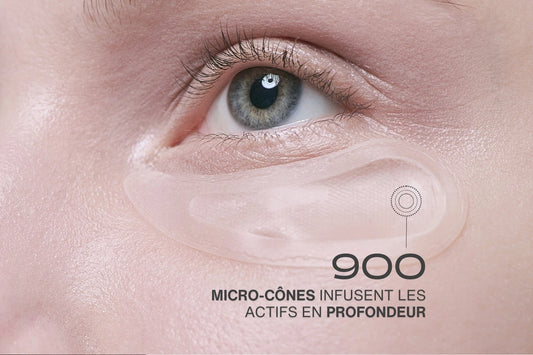
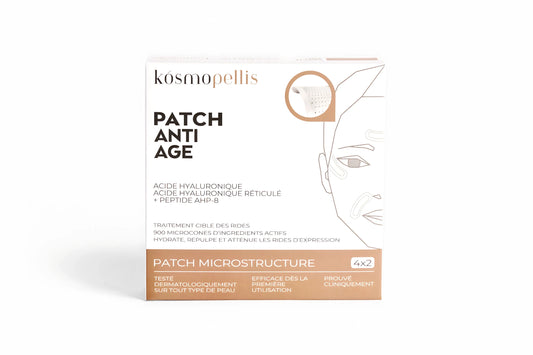
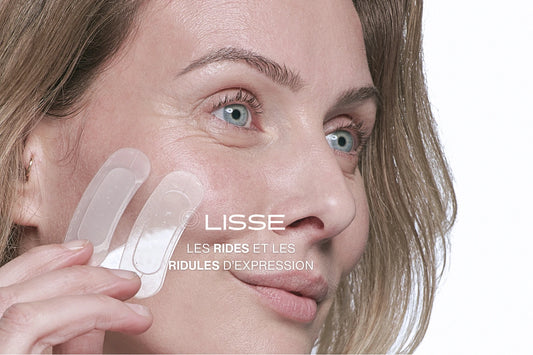
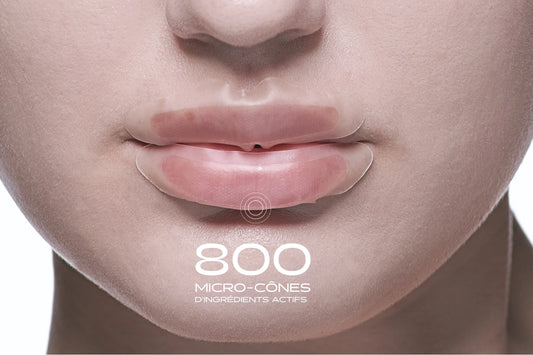
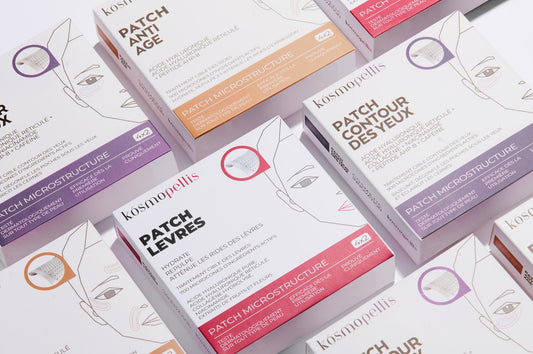
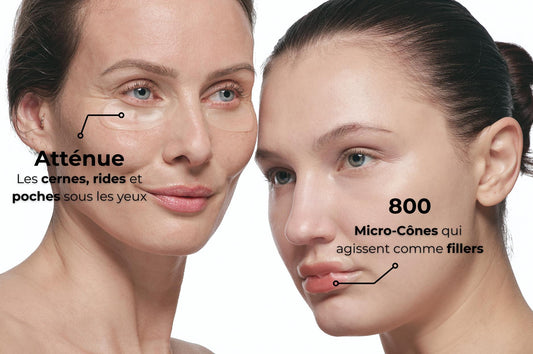
Advances in biotechnology and chemistry allow for the development of more effective and environmentally friendly ingredients. The exploration of solutions like the microstructure patch Kosmopellis illustrates this trend well, by allowing better absorption of active ingredients by the skin.

2. Digital Interactivity
The integration of digital technology into the user experience offers consumers unprecedented personalization. Thanks to artificial intelligence and augmented reality applications, consumers can virtually experiment with products before purchasing, thus ensuring a more informed choice.
This combination of advanced science, immersive digital tools, and sustainability not only meets the diverse needs of consumers but also helps shape the future of cosmetics. Adopting such strategies allows brands to maintain their competitiveness while supporting responsible consumption.
Conclusion: Adapting to Future Developments to Shape the Future of Cosmetics!
The future of cosmetics relies on a constant ability to adapt to rapid changes in consumer expectations and technological advancements. Brands must imperatively:
- Integrate technological innovations such as artificial intelligence and augmented reality to offer personalized and immersive experiences.
- Adopt sustainable and ethical practices, focusing on biotechnology to develop environmentally friendly products.
- Meet diverse needs by combining science, digital interactivity, and sustainability to capture the interest of modern consumers.
The future of cosmetics will not only be marked by products but by a commitment to responsible consumption. Seizing these opportunities will allow brands to remain competitive in a dynamic and evolving market.