The 4 Skin Types: How to Identify and Treat Them
Introduction
In the world of skincare, understanding the 4 skin types is essential for adopting a suitable and effective routine. Each skin type has specific characteristics that influence not only the appearance but also the overall health of your epidermis.
Here's what you'll discover in this article:
- Normal skin: balanced and healthy, it requires simple daily care.
- Dry skin: requires special attention to restore its hydration.
- Oily skin: requires deep cleansing to control excess sebum.
- Combination skin: combines areas that need to be treated specifically.
Learning to identify your skin type will facilitate the choice of adequate cosmetic products, allowing you to optimize your skincare routine. This guide will accompany you in this process, with valuable recommendations for each skin type.
1. Normal skin

Normal skin is often perceived as the ideal skin type. It is characterized by a perfect balance in terms of sebum and hydration, which gives it a soft texture with barely visible pores. An even and radiant complexion, without visible imperfections, is generally associated with this skin type.
The advantages of having normal skin in daily care are numerous:
- Easy maintenance: less prone to major skin problems such as acne or excessive dryness.
- Adaptability: tolerates a variety of cosmetic products well.
- Limited reactivity: less sensitive to environmental irritants.
To maintain the radiance and health of normal skin, it is essential to follow an adapted routine:
- Gentle cleansing: use a soap-free cleanser to preserve the skin's natural balance.
- Daily hydration: choose a light moisturizer that nourishes without clogging pores.
- Sun protection: apply broad-spectrum sunscreen every day to prevent damage caused by UV rays.
- Balanced nutrition: a diet rich in vitamins and antioxidants helps maintain skin vitality.
Consistency in these care routines not only maintains the advantageous characteristics of normal skin but also prevents the signs of premature aging. People with normal skin can thus focus on maintenance rather than correction, which greatly simplifies their daily routine.
2. Dry skin

Among the different skin types, dry skin is distinguished by a lack of sebum, which often leads to a feeling of tightness and discomfort. This condition can also manifest as a rough texture and occasional redness. Understanding these characteristics is essential to effectively adapt your skincare routine.
Common causes of dry skin
Several factors can contribute to dry skin:
- Environment: cold and dry climates as well as wind can dehydrate the skin.
- Transepidermal water loss: a compromised skin barrier allows moisture to evaporate more easily.
- Internal factors: age, genetics, and hormonal imbalances also influence this skin type.
Recommended care for dry skin
To care for dry skin, hydration and nourishing care are paramount:
- Rich moisturizers: opt for moisturizers containing ingredients like hyaluronic acid or glycerin, capable of retaining moisture.
- Nourishing products: natural oils such as avocado oil or sweet almond oil help strengthen the lipid barrier.
- Sun protection: daily use a sunscreen to protect against additional damage caused by UV rays.
Adopting these practices in your daily routine helps restore and maintain your skin's natural balance. Identify the products that best meet the specific needs of your dry skin to optimize its appearance and health.
3. Oily skin
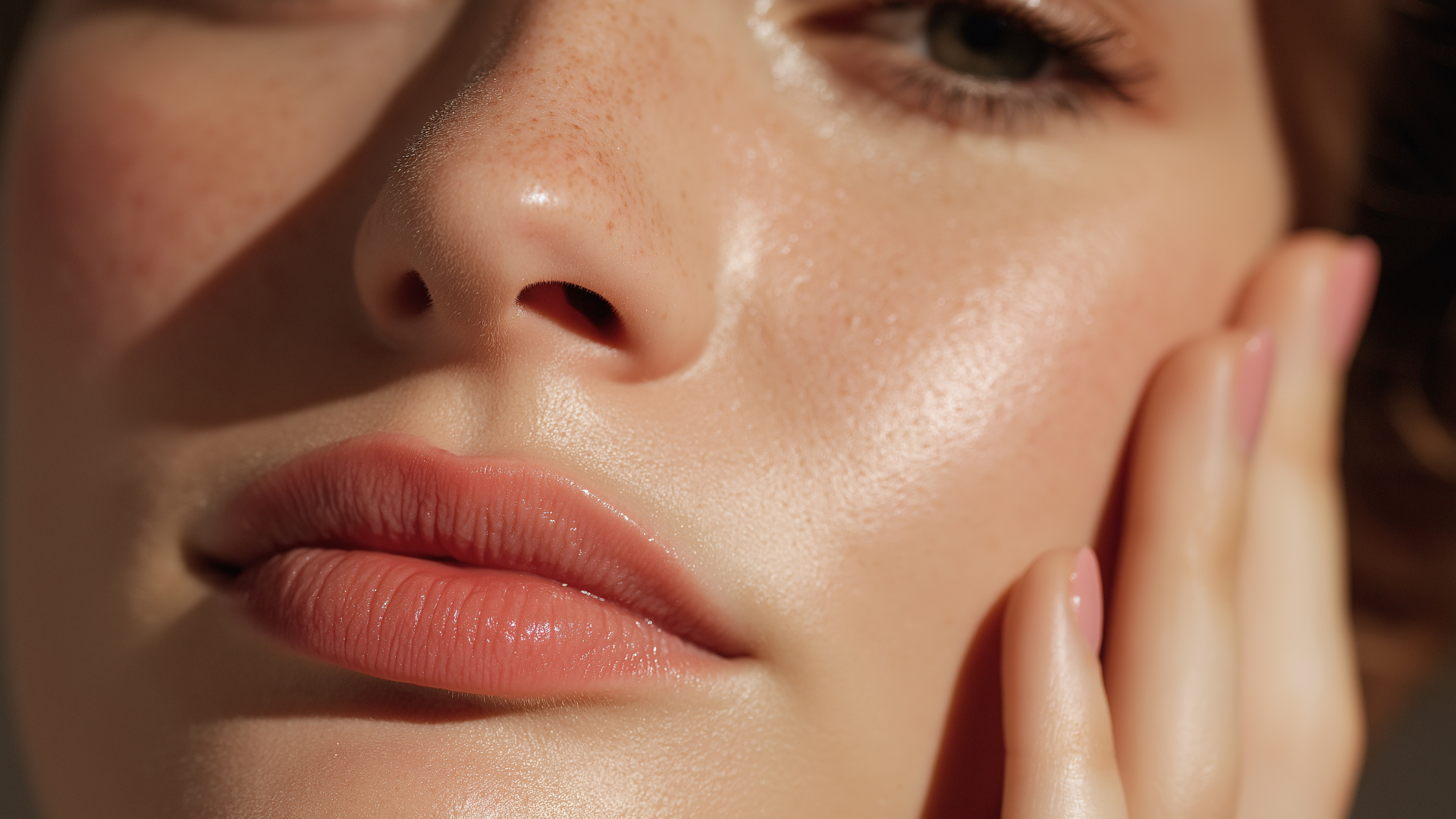
Oily skin is distinguished by an overproduction of sebum, an oily substance naturally produced to protect and hydrate the skin. This skin type is often characterized by:
- Excessive shine: facial areas, especially the T-zone (forehead, nose, chin), can appear shiny from the morning.
- Visible and enlarged pores: excess sebum can lead to enlarged pores, making them more visible.
- Pimples and imperfections: the accumulation of sebum can clog pores, leading to imperfections such as blackheads and pimples.
Associated problems
Oily skin presents several challenges:
- Persistent shine that can give an unappealing greasy appearance.
- Tendency to breakouts, as excess sebum promotes the appearance of acne and other imperfections.
Tips for oily skin care
To effectively manage oily skin, it is essential to adopt an adapted skincare routine:
- Deep cleansing: use a gentle, oil-free cleanser to remove excess sebum without drying out the skin.
- Regular exfoliation: exfoliate your skin once or twice a week to prevent dead skin cell buildup and unclog pores.
- Mattifying products: opt for products formulated to control shine. Light creams or mattifying gel moisturizers can help maintain an even complexion.
- Non-comedogenic: choose non-comedogenic products to minimize the risk of clogged pores.
Adopting these strategies will allow you to effectively care for your oily skin and improve its appearance daily.
4. Combination skin

Combination skin is a skin type that presents both dry and oily areas, often with an oily T-zone (forehead, nose, chin) and cheeks that can be normal or dry. This unique combination requires a balanced approach to meet the specific needs of each area of the face.
Main characteristics
- Oily T-zone: Often prone to excessive sebum production, leading to undesirable shine and enlarged pores.
- Dry or normal cheeks: These areas may lack hydration, sometimes leading to sensations of tightness or dryness.
Identify specific needs
To determine the appropriate care for your combination skin, it is essential to identify the different characteristics of each area:
- Examine for shine: if your T-zone shines at the end of the day but your cheeks appear dull or dry, you likely have combination skin.
- Visible pores: pores are often more visible in the T-zone due to excess sebum.
- Sensations after cleansing: if your cheeks quickly become uncomfortable after cleansing, they may require a gentler or more hydrating product.
Recommended products
To effectively treat combination skin, it is advisable to use targeted products:
- Gentle cleansers: these help remove excess sebum without drying out sensitive areas.
- Light moisturizers: apply to the entire face to maintain balance without overloading the T-zone.
- Mattifying products: use them specifically on the T-zone to control shine throughout the day.
By adapting your routine to address these varied needs, you can maintain the balance and health of your combination skin.
Evolution of skin types over time
Skin evolution is a dynamic process influenced by various internal and external factors. Among the internal factors, age plays a fundamental role. Over the years, sebum production decreases, thus altering the skin's hydrolipidic balance. Hormones, especially during puberty, pregnancy, or menopause, can trigger significant changes in your skin's texture and appearance. Genetics also determine your basic skin type, although it can evolve under the influence of other factors.
In parallel, external factors such as environment and climate have a major impact on skin condition. Prolonged sun exposure without adequate protection can lead to premature aging and pigment spots. Lifestyle habits, such as diet, stress, or smoking, also affect your skin's health.
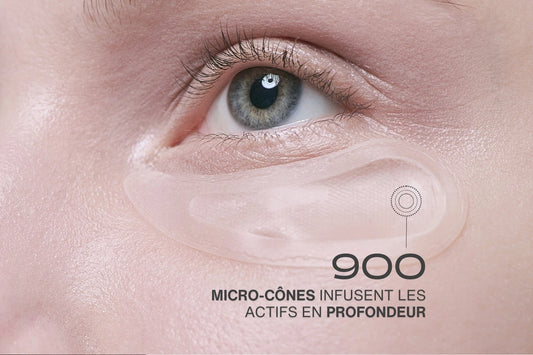
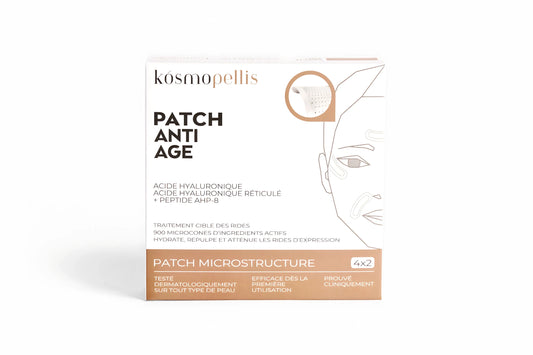
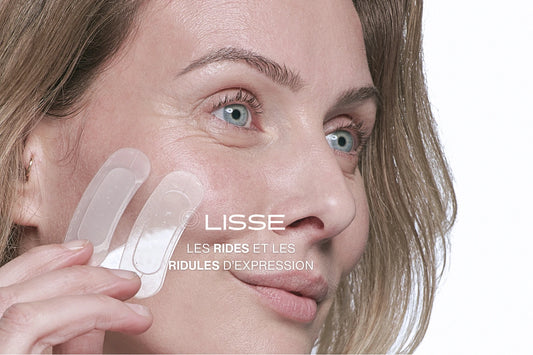
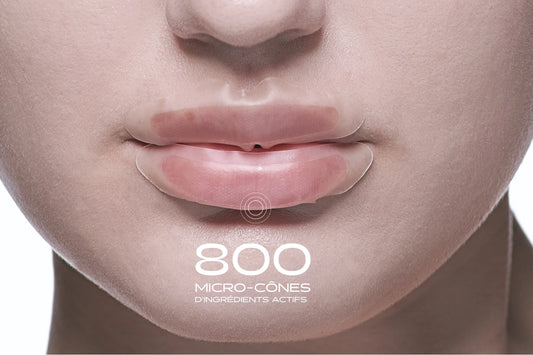
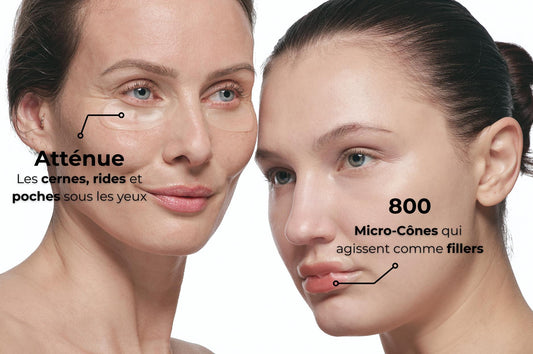
To address these evolving challenges, innovations such as the Microstructure Patch have been developed. These devices specifically target the changing needs of the skin by delivering active ingredients directly into the deep layers of the dermis. Regular use of these treatments can help maintain the natural balance and radiance of your complexion throughout your life.

Conclusion: adapt your skincare to your skin type!
Taking care of your skin is essential to maintain its radiance and health. The importance of adapted care cannot be underestimated. Each individual has one of the 4 skin types that requires a unique approach.
- Regularly assess your skin type to adjust your personalized skincare routine.
- Exploit adequate products that meet the specific needs of your skin.
By paying attention to the signals your epidermis sends you, you can optimize your skin's well-being and appreciate the results of radiant skin.