The Worst Skincare Advice Wreaking Havoc on TikTok
Skincare is essential for maintaining healthy, radiant skin. However, with the explosion of social media, TikTok in particular has become a popular source of skincare tips. While some tips can be useful, others can be dangerous.
TikTok is full of viral videos that promise miraculous results, but it's crucial to recognize the dangers of TikTok when it comes to skincare. These popular trends can sometimes cause more harm than good. Users, often young and impressionable, find themselves experimenting with unproven or inappropriate methods, putting their skin at risk.
"The worst skincare tips still seen too often on TikTok" illustrate the importance of a critical approach to these recommendations. In this article, we explore some of the most dangerous tips and discuss safe alternatives to avoid irreparable skin damage.
The worst skincare tips on TikTok
1. Using lemon juice and olive oil for tanning
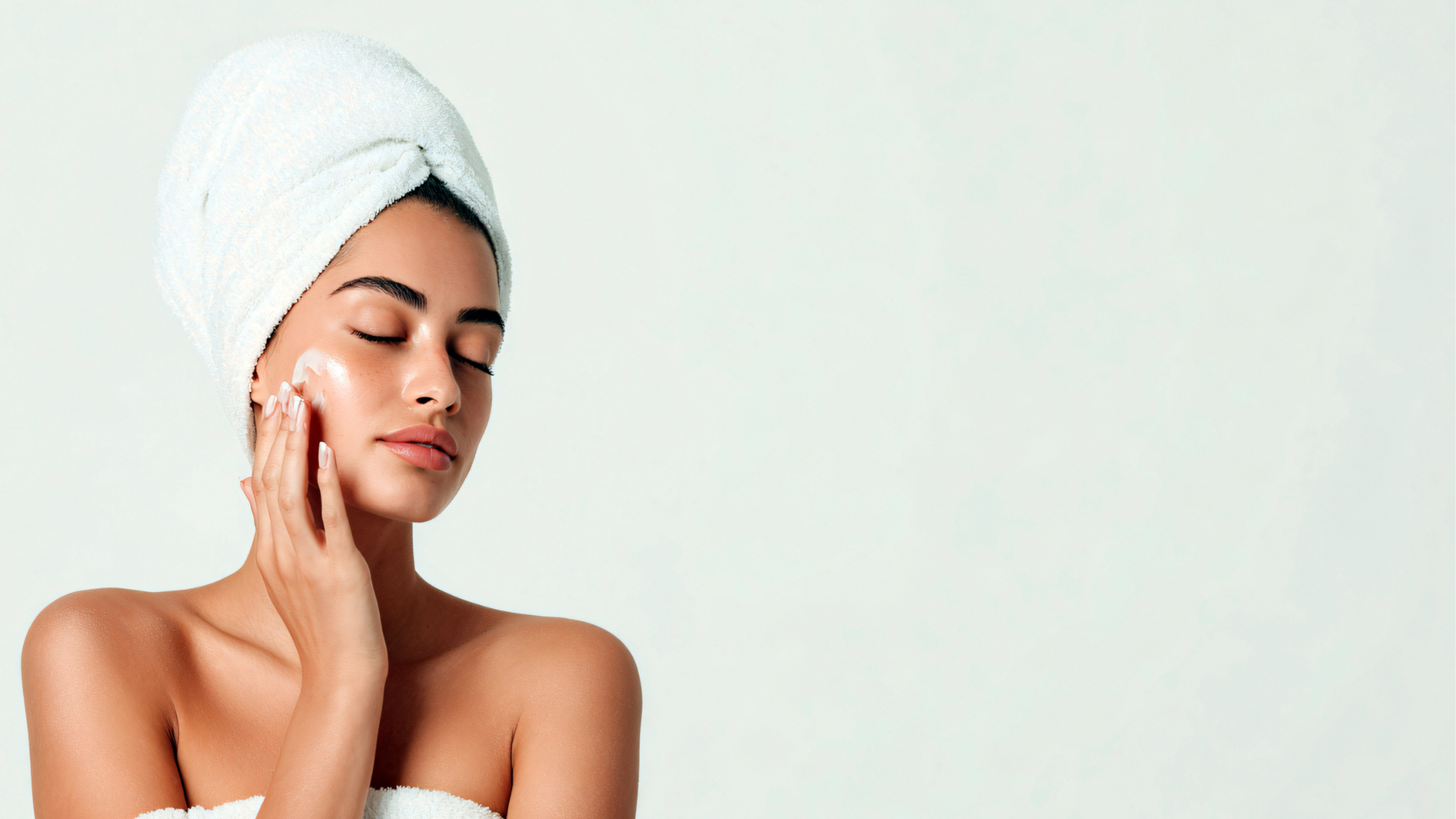
The use of lemon juice and olive oil to tan naturally is a worrying trend on TikTok. This mixture, although natural, can have harmful effects on the skin.
Harmful effects on the skin
Lemon juice is extremely acidic and can cause severe skin irritation. When applied before sun exposure, it can lead to chemical burns and photosensitivity, increasing the risk of UV damage. Olive oil, on the other hand, does not have protective properties against the sun and could attract more UV rays to the skin.
Reason why this advice is dangerous
This advice is dangerous because it exposes the skin to increased risks of premature aging and increases the likelihood of developing skin cancer due to ultraviolet rays. Moreover, the damage caused can be irreversible.
Safe alternatives for tanning
For those seeking a safe tanned complexion, there are safer alternatives such as:
- Sunless self-tanners
- Lotions containing DHA (dihydroxyacetone), which react with the top layer of the skin to create a temporary tan
Also opt for regular use of a broad-spectrum sunscreen to protect your skin during sun exposure.
2. Excessive layering
Layering in skincare involves applying multiple products to maximize their benefits. On TikTok, this advice is among the worst skincare practices still seen too often. Excessive use of products can cause irritation, such as perioral dermatitis, and weaken the skin barrier. A minimalist routine is often more effective, especially for young skin without specific problems. By limiting the number of products, you allow your skin to breathe and fully absorb each applied treatment. Adopt a simple and targeted approach to avoid these common pitfalls.
3. DIY armpit lightener

Homemade remedies for skin lightening, such as using lemon juice or vinegar on armpits, often circulate as popular tips on TikTok. However, these practices can be ineffective or even dangerous, causing irritation and skin damage. Although lemon juice is touted for its natural lightening properties, studies show that its direct application can lead to chemical burns and increased sun sensitivity.
To safely treat hyperpigmentation, it is recommended to opt for proven solutions such as creams containing kojic acid or niacinamide. These active ingredients offer a gentler and more effective alternative to risky DIY methods.
4. At-home dermaplaning
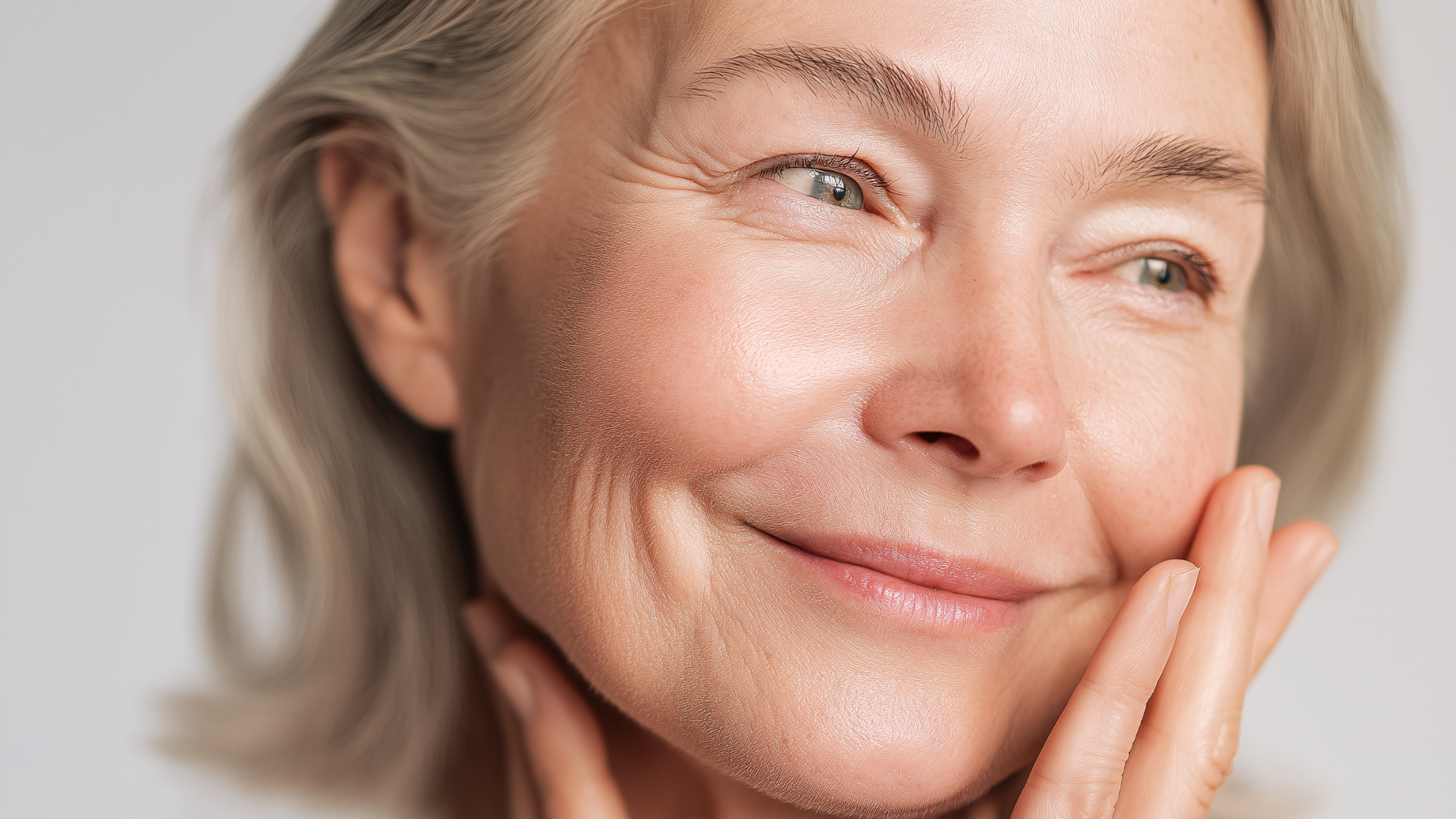
What is dermaplaning and why is it popular?
Dermaplaning is an exfoliation technique that uses a blade to remove dead skin cells and facial vellus hair. It has gained popularity on TikTok due to its purported benefits for smoother, glowing skin, often promoted by influencers.
Dangers of at-home practices without professional supervision
Practicing dermaplaning at home without supervision can lead to risks of infection and cause micro-injuries if the blade is not sterile or handled incorrectly. Users can also accidentally cut their skin, thus worsening the situation.
Expert-recommended alternatives
Dermatologists instead recommend gentle chemical exfoliants or scrubs specifically designed for at-home use. These alternatives reduce risks while providing effective and safe exfoliation, thus preserving your skin's health.
5. Slugging (applying petroleum jelly)
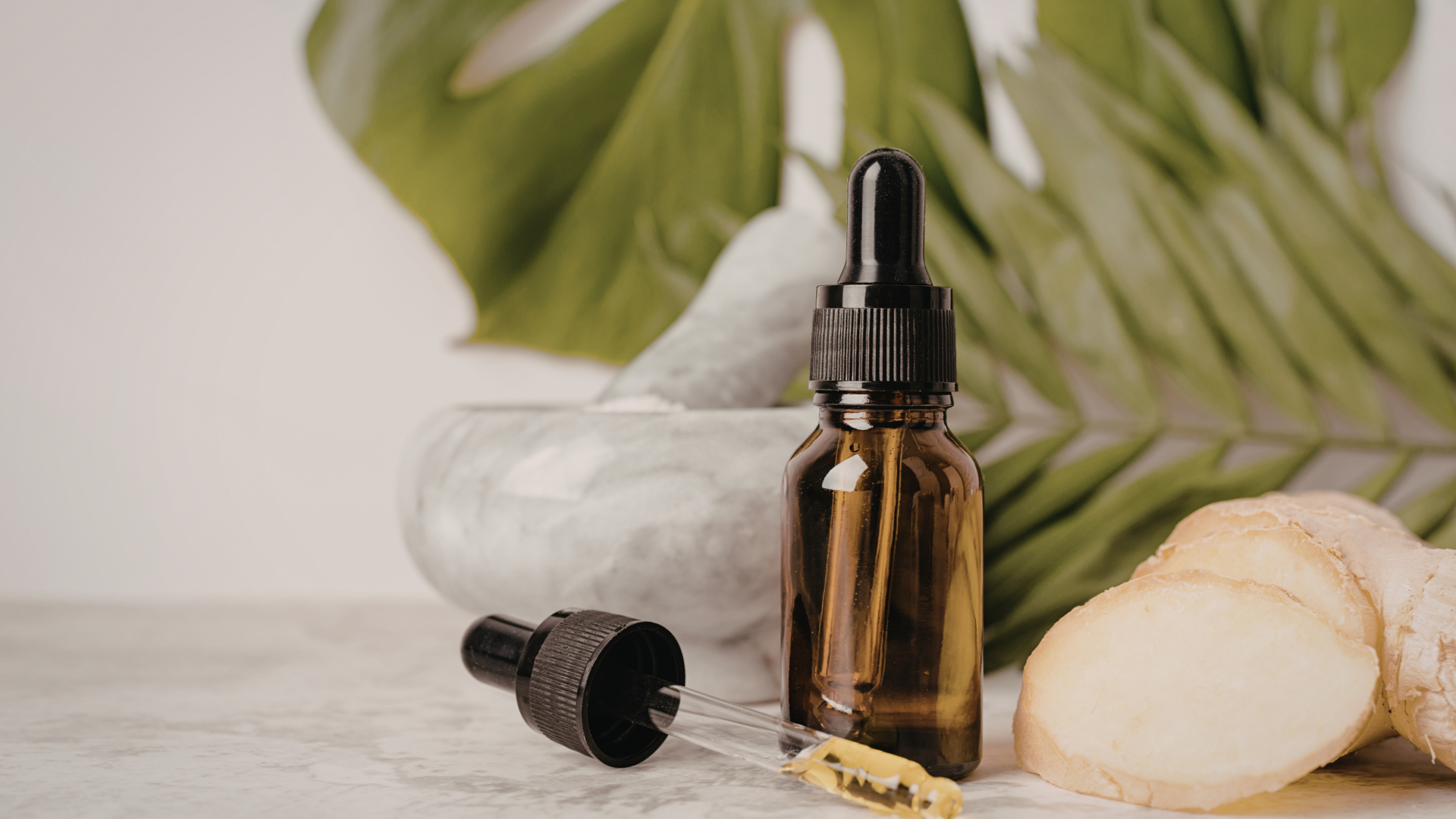
Slugging is a skincare trend that involves applying a thick layer of petroleum jelly to the face, usually before bed, to prevent moisture loss. While this seems promising for keeping skin hydrated, risks include clogged pores and breakouts, especially for those with oily or acne-prone skin.
For effective hydration without the drawbacks of slugging:
- Use a lightweight moisturizer suitable for your skin type.
- Incorporate serums containing hyaluronic acid.
- Opt for non-comedogenic oils like jojoba or argan oil.
These approaches help keep skin well-hydrated while minimizing the risk of imperfections.
6. Inappropriate use of retinol
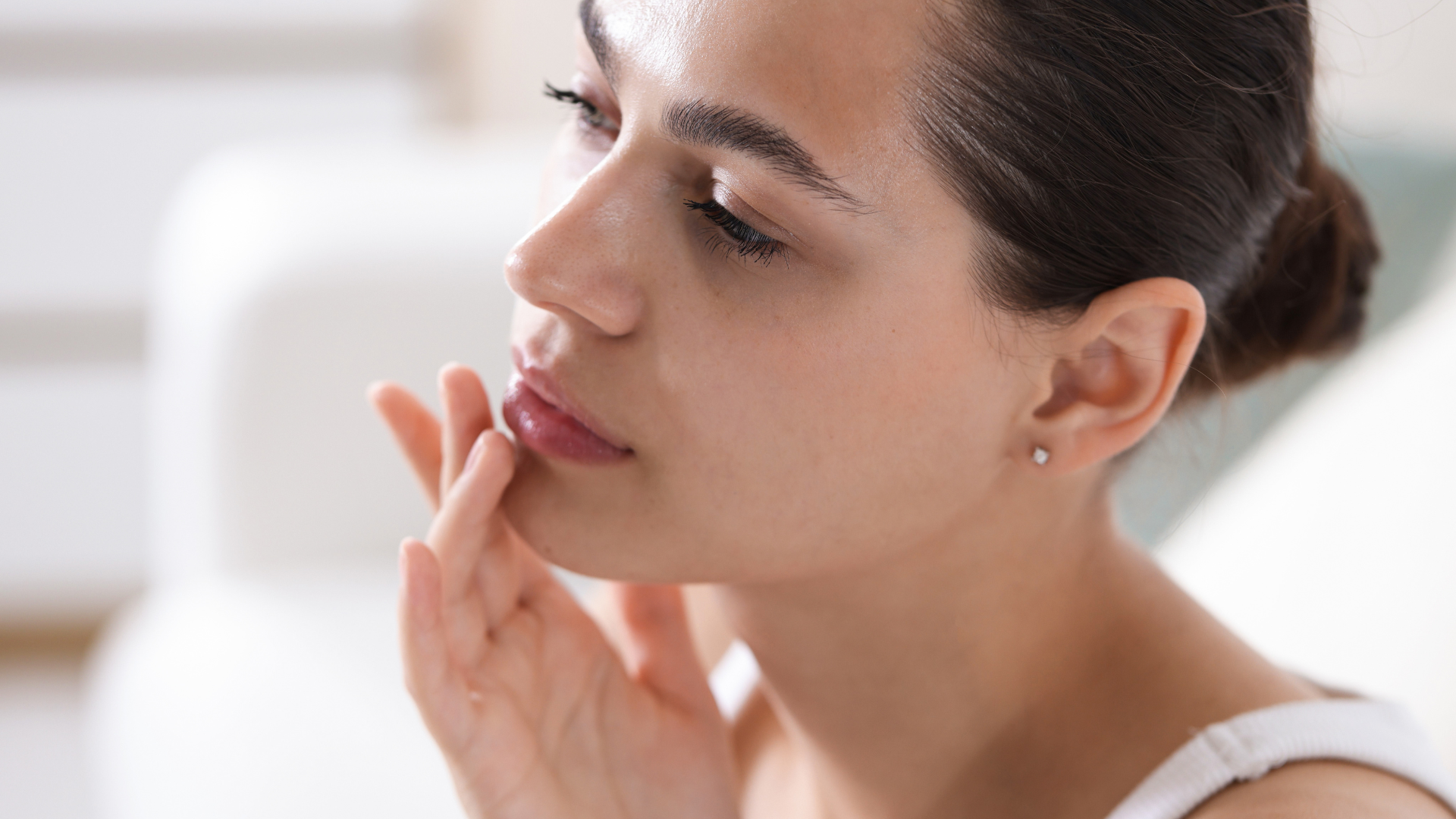
Retinol is renowned for its benefits as a powerful anti-aging treatment, notably for stimulating collagen production and reducing the appearance of wrinkles. However, its premature or incorrect use can lead to skin irritation and increased sun sensitivity. To effectively integrate retinol into your skincare routine, start with a low concentration, apply it in small amounts, and gradually increase. Always use it in combination with a sunscreen during the day to protect the skin. This precaution is essential to avoid damage related to these worst TikTok skincare tips.
7. Popping pimples

Popping pimples, a common practice among the worst TikTok skincare tips, can have harmful consequences for the skin. This habit risks causing infections and leaving permanent scars. Instead of giving in to temptation, turn to safer alternatives for treating blemishes. Use over-the-counter pimple patches, specially designed to protect the skin while facilitating healing. These non-invasive solutions help reduce inflammation without causing additional damage.
8. Contouring with sunscreen

Essential sun protection: adequate sun protection is crucial to prevent sunburn and hyperpigmentation. By using sunscreen correctly, you protect your skin from UV damage.
Ineffectiveness of contouring with sunscreen: the idea of contouring with sunscreen, popularized among the worst TikTok skincare tips, is ineffective. This process creates uneven pigmentation and does not provide uniform protection, exposing the skin to increased risks of sun damage. Always prioritize generous and uniform application of sunscreen for a natural tan without unnecessary risks.
9. At-home LED masks
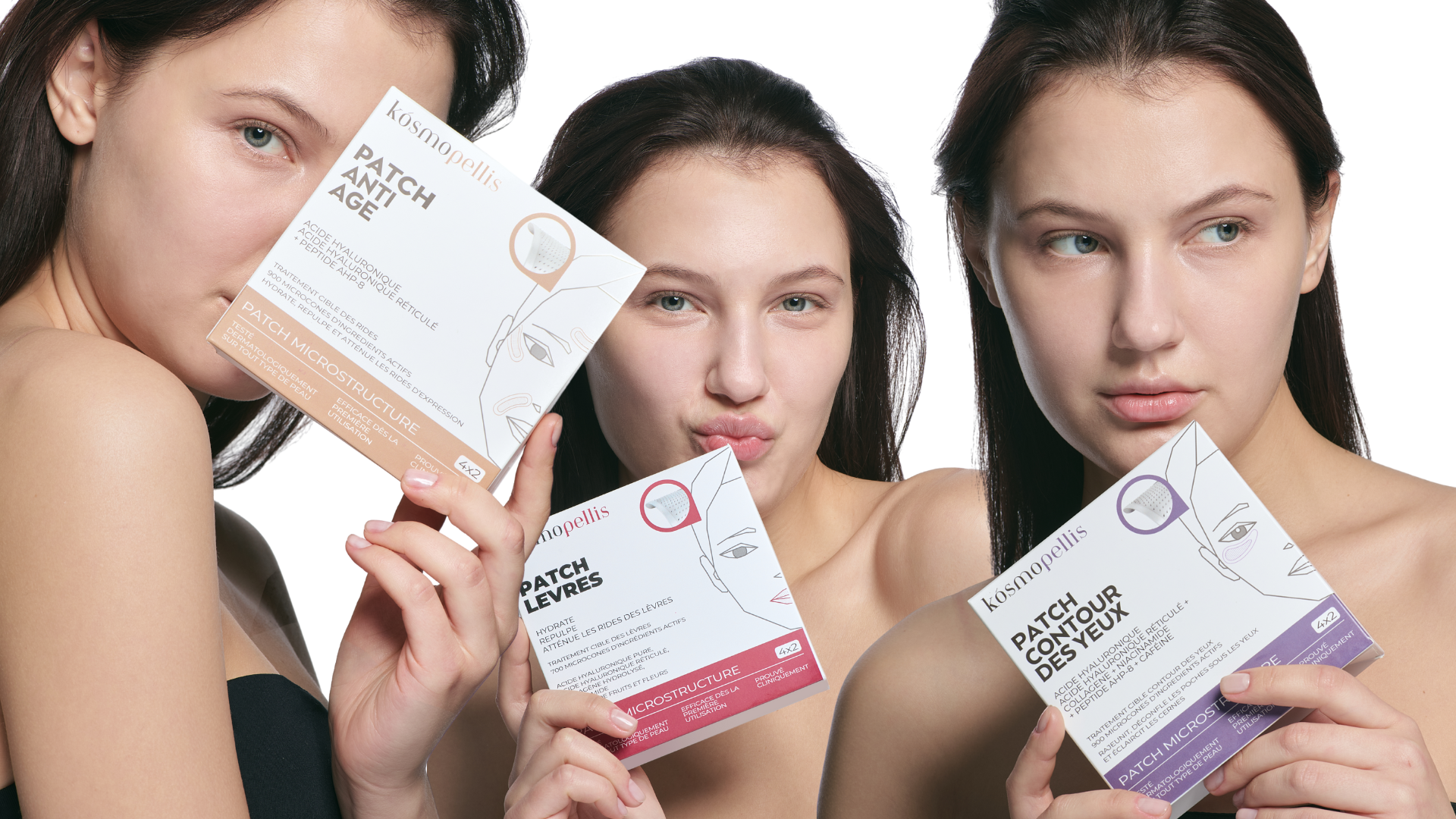
On TikTok, LED masks have gained popularity due to their purported benefits for the skin. These light devices are often touted for their ability to treat various skin problems. However, their effectiveness is not proven, especially for young skin.
Users may be attracted to these trendy gadgets, but it is essential to understand that without a prior professional diagnosis, the use of these masks may not offer the expected results and could even worsen some skin problems.
A dermatologist's opinion is crucial before integrating an LED mask into your skincare routine.
10. Clay masks left on too long

Leaving a clay mask on the skin for too long can cause harmful effects, including drying out the skin and causing irritation. This practice, often seen among the worst TikTok skincare tips, highlights the risk of inappropriate use of clay masks. To avoid these inconveniences:
- Limit application time to 10-15 minutes.
- Ensure the mask remains slightly damp to prevent excessive drying.
- Follow product instructions to maximize benefits without harming your skin.
These precautions ensure effective and safe use of clay masks.
Conclusion
Caution in skincare is essential, especially when faced with emerging trends on TikTok. The importance of seeking reliable information cannot be underestimated, particularly when your skin's health is at stake.
It is crucial to turn to credible sources such as dermatologists and other healthcare professionals for personalized advice. These experts can guide you in developing an effective and safe routine, specifically tailored to your skin's needs.
The worst skincare tips still seen too often on TikTok highlight the need for increased vigilance. Before adopting a new technique or product recommended on social media, take the time to verify their legitimacy and safety. A wise choice today can prevent complex skin problems tomorrow.