Dream Skin: The Impact of Sleep and 5 Tips to Achieve It
Sleep plays a crucial role in maintaining healthy skin. While we sleep, our body works to repair damaged skin cells and maintain skin elasticity. Insufficient sleep can lead to a series of aesthetic problems such as prominent dark circles, dull skin, and premature wrinkles.
The negative effects of poor sleep on skin appearance are well-documented. By disrupting the natural cycle of cellular repair, lack of sleep can accelerate skin aging and harm our perception of attractiveness. A good night's rest is therefore essential to wake up with radiant skin.
This article aims to provide you with practical advice to improve the quality of your sleep and, consequently, your natural beauty. By exploring the impact of sleep on your skin and sharing proven tips, we hope to guide you towards better overall well-being and a radiant appearance upon waking.
The impact of sleep on your skin (and how to sleep better to look great when you wake up) is a topic that deserves our full attention. Let's dive together into this journey towards a better quality of life and radiant skin!
The impact of sleep on skin health

Quality sleep plays a crucial role in the nocturnal repair of skin tissues. During deep sleep phases, your body enters an active regeneration state where the skin repair process is in full swing. This is particularly due to the production of collagen, an essential protein that maintains your skin's elasticity and firmness. Collagen acts as structural support for skin cells, helping to prevent the early appearance of wrinkles and fine lines.
Blood flow also significantly increases during these deep phases. This improved blood flow more effectively delivers nutrients and oxygen to skin cells, thus facilitating their regeneration and repair. When you get enough sleep, your skin receives an optimal supply of essential nutrients, which helps maintain its natural radiance and suppleness.
Sleep deprivation can disrupt these biological processes, leading to decreased collagen production and reduced blood flow to the skin. This often results in a dull appearance, an increase in visible signs of aging such as wrinkles, and reduced elasticity. Prioritizing good sleep doesn't just improve your general well-being; it's also a powerful ally in preserving your skin's health and appearance.
Visible signs of sleep deprivation on skin appearance
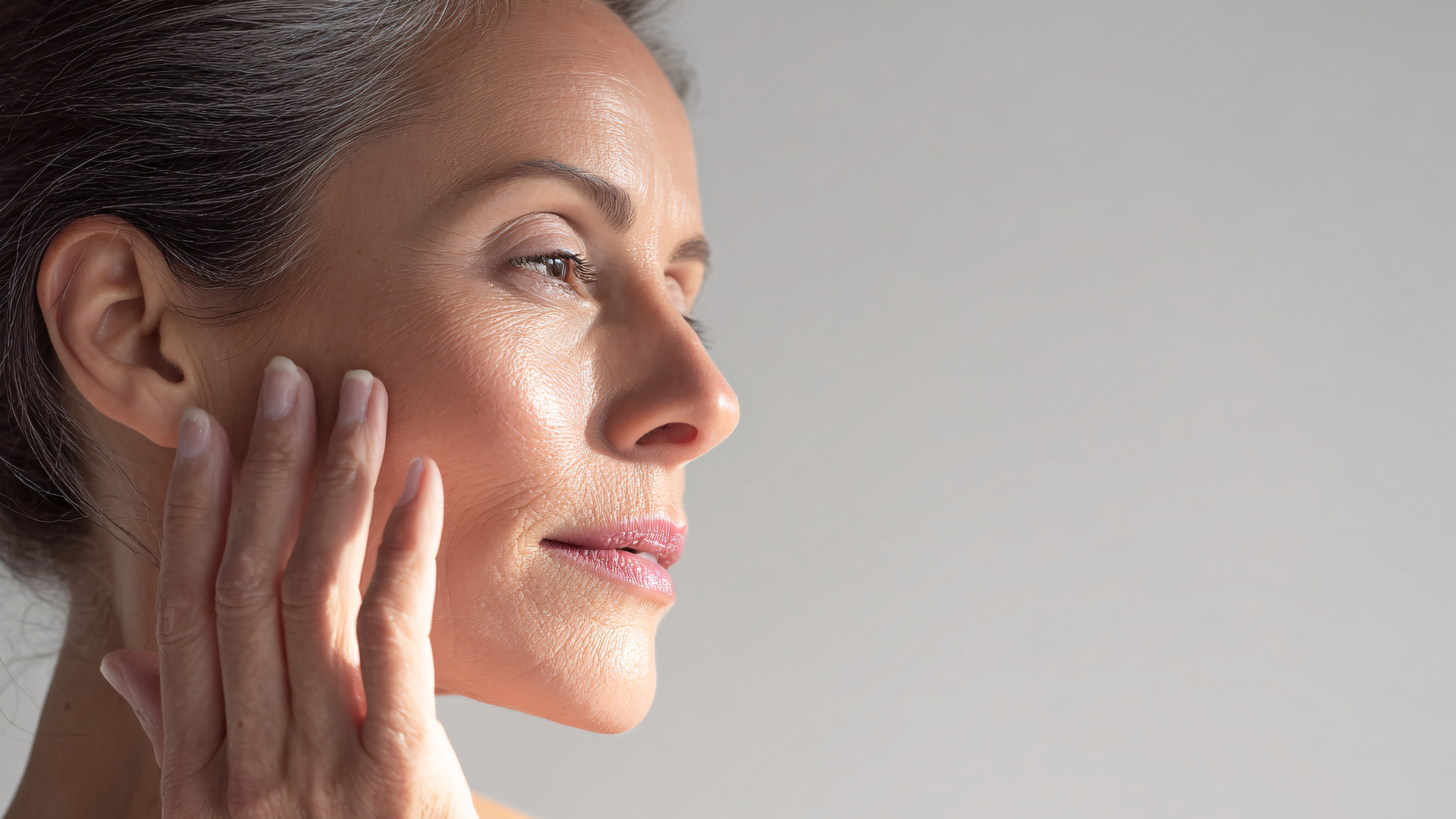
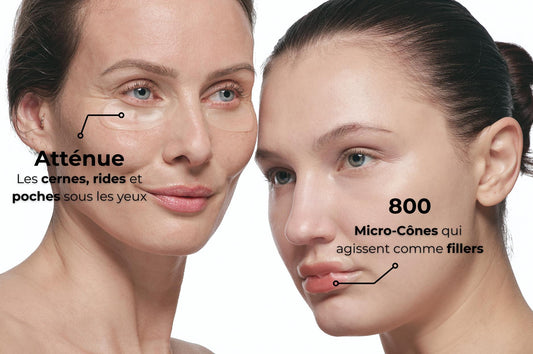
Insufficient sleep can manifest through visible signs that directly affect the appearance of the skin. Among the most common, dark circles under the eyes are often the first indicator of inadequate rest. These unsightly shadows result from the dilation of blood vessels under the eyes, accentuated by thin skin.
Next, premature skin aging is another notable effect of sleep deprivation. Insufficient collagen production due to shortened nights leads to the early appearance of wrinkles and fine lines. These signs of time can give your face a tired and less radiant look.
Scientific studies also highlight that lack of sleep alters our perception of personal attractiveness and erodes self-confidence. A tired face is often perceived as less healthy, thus influencing our social and professional interactions. The link between sleep and physical appearance is not limited to external aspects but also affects our overall psychological well-being.
These consequences on skin and self-esteem underscore the importance of good sleep for maintaining not only a healthy appearance but also a fulfilling life.
Practical tips to improve sleep quality and achieve radiant skin

Adopting a restorative sleep routine is essential for your skin to glow when you wake up. Good sleep is not limited to hours spent under the covers; it also involves creating an environment conducive to nighttime rest.
Physical exercise as an ally of restorative sleep
Physical activity plays a crucial role in improving sleep quality. By incorporating regular exercise into your daily routine, you can not only promote deeper, more restorative sleep but also benefit from better overall health. Here are a few points to consider:
- Benefits of sport on sleep quality: Exercise helps regulate the biological clock and reduce stress, two factors that directly influence sleep quality. By engaging in physical activities such as walking, yoga, or cycling, you create ideal conditions for deep nocturnal rest.
- Timing of exercise: It is important to choose the right time to exercise. Intense training just before bedtime can disrupt your ability to fall asleep quickly. Instead, favor exercise sessions in the morning or afternoon, so as not to disrupt your circadian rhythm.
By combining regular physical activity with other sleep-promoting practices, you can transform your nights and, by extension, improve the appearance and health of your skin. Remember that everyone is unique; finding what works for you may require some trial and error.
Creating a routine that includes both periods of moderate physical activity and a serene environment for sleep is a winning strategy for radiant skin and improved overall well-being.
Blue light from screens: an enemy for good sleep
The omnipresence of electronic devices in our daily lives has a direct impact on the quality of our sleep. Indeed, exposure to blue light emitted by screens disrupts the production of melatonin, the hormone responsible for regulating our sleep-wake cycle. This disruption can make it more difficult to fall asleep and reduce the benefits of a restorative sleep routine.
To promote an environment conducive to nighttime rest, it is advisable to establish a regular sleep routine. This includes:
- setting up an ideal bedroom: total darkness, cool temperature, and absence of disruptive noise
- avoiding screens at least one hour before bedtime to maintain optimal melatonin levels
This simple gesture helps improve not only the quality of sleep, but also the appearance of your skin by allowing the body to regenerate properly during the night.
Nighttime hydration: a simple gesture for radiant skin upon waking
 Good nighttime hydration plays a crucial role in maintaining the radiance and suppleness of our epidermis. At night, the skin enters regeneration mode and needs adequate support to repair itself effectively. The impact of sleep on your skin cannot be underestimated, and incorporating moisturizing care before bed is essential to prevent dehydration.
Here are some tips to consider:
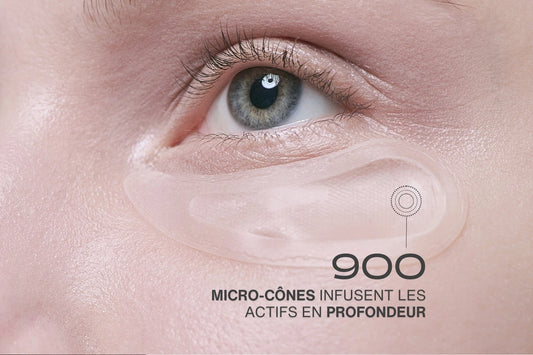
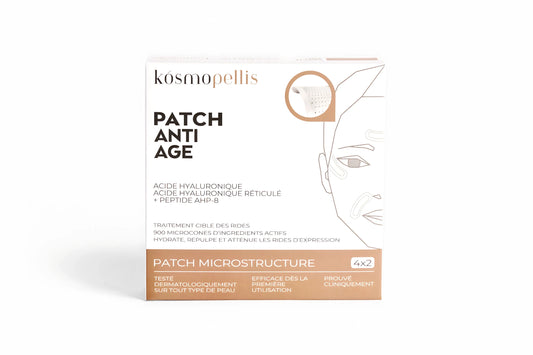
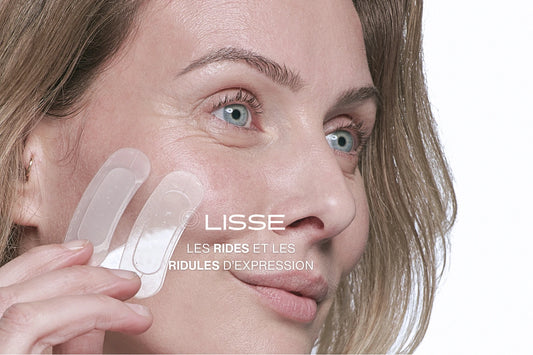
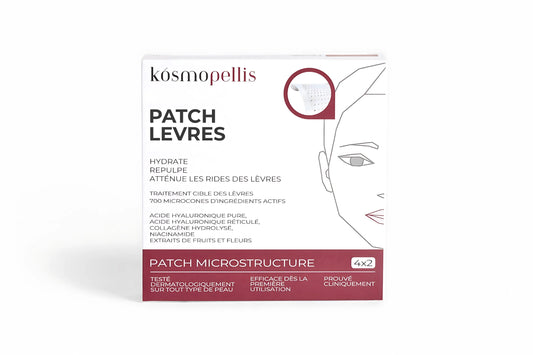
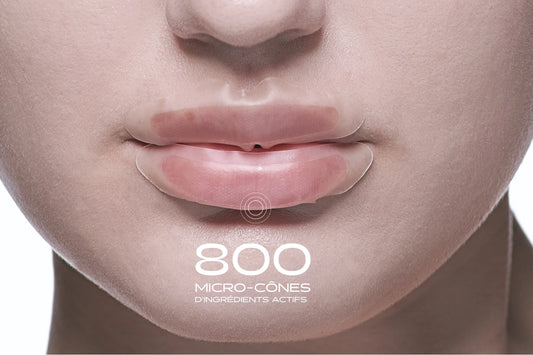
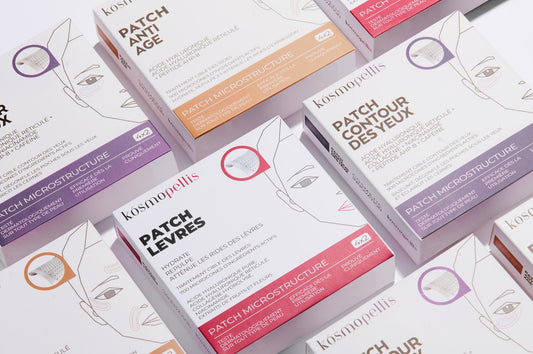
- Microstructure patches: these innovative devices allow targeted internal hydration, offering an effective solution to deeply nourish the skin while sleeping.
- Environment conducive to nighttime rest: creating an ideal bedroom with total darkness, cool temperature, and absence of disruptive noise not only promotes restorative sleep but also optimizes the benefits of applied care.
- Restorative sleep routine: establishing a regular routine helps regulate our biological clock, thereby maximizing the beneficial effects of rest on skin appearance.
Establishing these practices in your daily routine ensures waking up with radiant and revitalized skin every morning.
Conclusion
Adopting simple habits can transform not only your skin but also your overall well-being through restorative sleep. Taking care of your sleep means investing in the impact of sleep on your skin (and how to sleep better to look great when you wake up).
- Remember: good sleep promotes your skin's elasticity and firmness, while boosting your natural radiance.
- Tip: gradually incorporate these practical tips to wake up every day with fresh, radiant skin.
Take care of yourself and let sleep regenerate your body and mind.