Peptides, collagen, hyaluronic acid: the 3 most powerful anti-aging active ingredients explained
We've all been there. You look in the mirror, in a slightly too harsh light, and you realize that... well. Your skin isn't as "bouncy," fine lines linger longer after a smile, and that tired look seems to settle in even when you're getting enough sleep.
And then you type "best anti-aging" and you're met with hundreds of promises.
Except in real life, if you strip away the marketing and luxurious packaging, you often find yourself back with 3 families of active ingredients that appear everywhere, all the time: peptides, collagen, hyaluronic acid. And for good reason.
But there's a catch. All three can be excellent. And all three can be... frankly disappointing, depending on the form used, the concentration, how it's formulated, and the skin type it's applied to.
So we're going to keep it simple, but not simplistic: what they're for, how they work, how to choose, and most importantly, how to avoid paying a lot for a product that has almost no chance of working.
Why these 3 active ingredients dominate "true" anti-aging
If we summarize skin aging without going too deep into a biology lesson, there are a few very concrete phenomena:
- skin loses collagen and elastin: it sags, folds appear
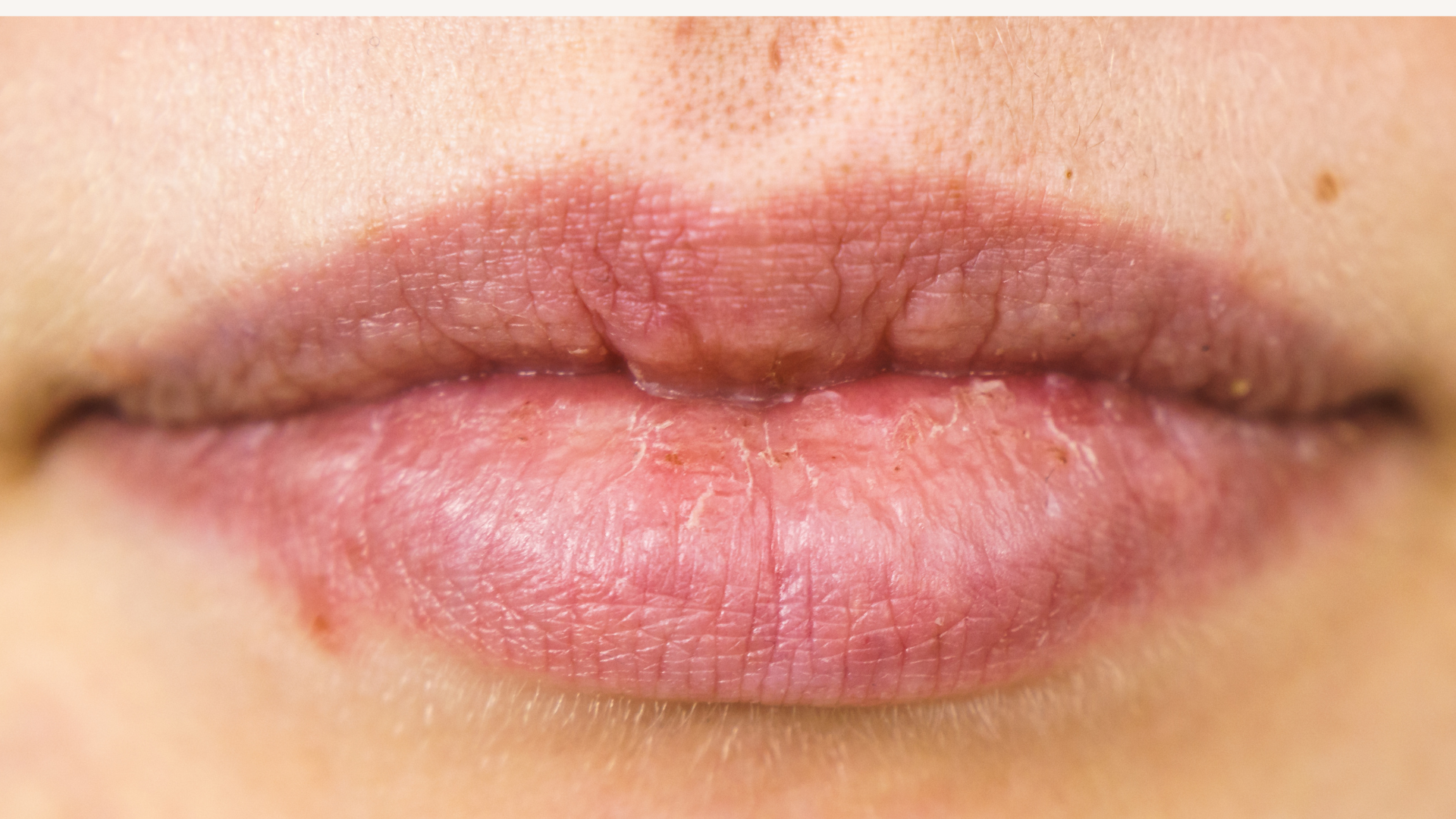
- hydration decreases: skin wrinkles faster, it shows marks
- cell repair slows down: less even complexion, less smooth texture
- skin barrier becomes more fragile: sensitivity, discomfort, dryness
Peptides, collagen, and hyaluronic acid each play a role in this equation. And when done well, visible results can be achieved. Not a facelift, no. But denser, more comfortable, "fresher" skin. The kind of difference you really notice when you stop using them.
Peptides: messengers that teach your skin to behave better

Peptides sound very "lab-like," but the idea is quite intuitive. A peptide is a small chain of amino acids. Basically, a mini part of a protein. And on the skin, certain peptides act as signals.
The concept behind it is: send a message to the skin to tell it to "produce more collagen," "calm inflammation," "repair better," or sometimes even "relax the muscle a bit" depending on the peptide.
The main types of peptides (and why they're not all the same)
You often see "peptides" written large on the bottle, without further information. That's a shame, because it doesn't mean much. There are several categories:
- signal peptides: encourage the synthesis of collagen, elastin, glycosaminoglycans
- carrier peptides: help deliver useful trace elements (often associated with copper)
- neurotransmitter peptides: light "botox-like" effect, acting on contraction (variable and often subtle results)
- anti-inflammatory peptides: interesting if your skin easily reddens, or if you have chronic sensitivity
What matters is not just having them. It's: which one, at what dosage, in what base, and does the formula protect the active ingredient.
What you can really expect from peptides
Let's be honest: peptides are rarely the thing that gives you spectacular results in 7 days. However, over 6 to 12 weeks, some people see:
- skin feeling a bit firmer to the touch
- less noticeable fine lines, especially those from dehydration
- improved elasticity
- more even complexion if the formula is well-designed
It's a foundational active ingredient. A gradual improvement. And that's also why many give up too early.
How to choose a peptide-based skincare product without getting ripped off
Some simple guidelines:
- if the label just says "peptides" without a specific name, it doesn't mean it's bad... but you don't know what you're buying
- look for formulas that mention known peptides (e.g., palmitoyl tripeptide 1, palmitoyl tetrapeptide 7, acetyl hexapeptide 8, copper tripeptide 1)
- avoid formulas full of denatured alcohol if your skin is already fragile
- and most importantly: peptides like stable formulas, not products that degrade after 2 weeks in your bathroom
Collagen: the star active ingredient… but also the most misunderstood

Collagen is the scaffolding of the skin. The structure. The mattress, if you will. When you lose it, the skin sags, it hollows out, and wrinkles "set in" instead of just appearing when you move.
So intuitively, you think: I'll put collagen on my skin, problem solved.
Except no. Well... not exactly.
The problem with collagen in classic cosmetics
Collagen is a large molecule. Very large. And large molecules don't penetrate the skin barrier well. Result: in many creams, collagen primarily acts as:
- a film-forming agent
- a surface hydrating agent
- a temporary "plumper," somewhat like a comfortable bandage
It's not useless. But it's not the "deep reconstruction" promise that many imagine.
So, is collagen useless? No. But it must be integrated with special techniques
And this is important, because you asked me to add it clearly: for collagen to truly demonstrate interesting efficacy in cosmetics, it often needs to be integrated with special techniques that improve its availability and interaction with the skin.
We're talking, for example, about:
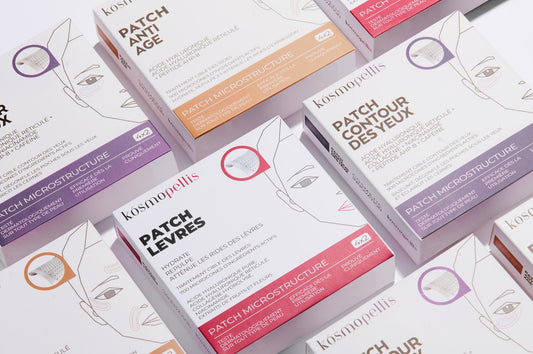
- microstructure: an organization of the formula that allows for better distribution, stability, and "useful contact" with the skin
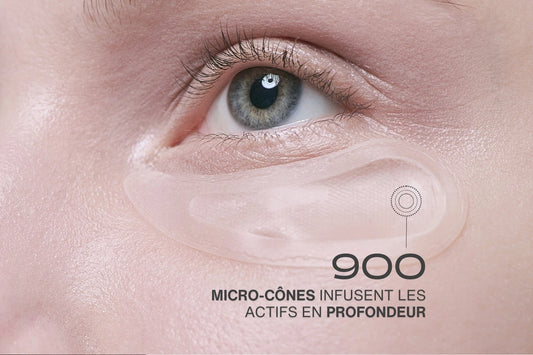
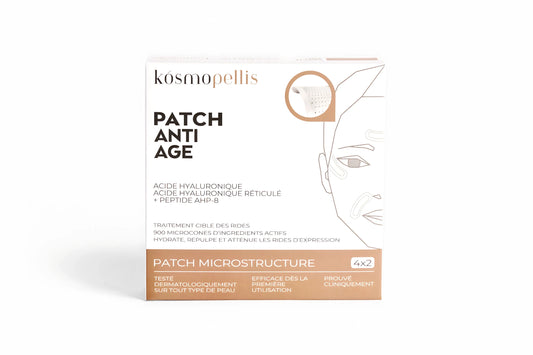
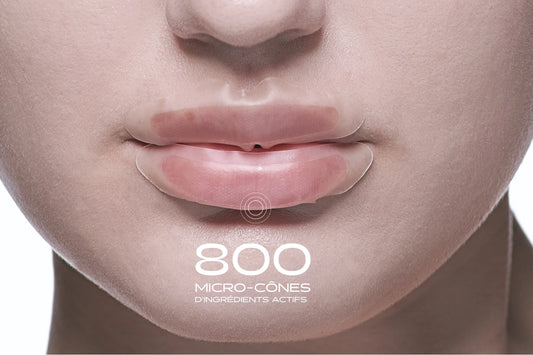
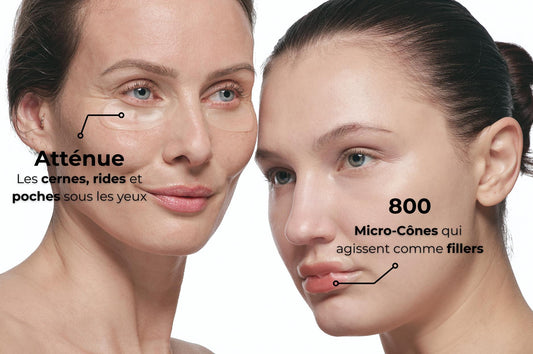
- crystallized active ingredient micro-cone technology: the idea being to structure the active ingredient in the form of a microstructure that optimizes local delivery, skin adhesion, and sometimes gradual release
So yes, depending on the brand, the names change and the storytelling too. But the general idea is the same: without a formulation strategy, collagen often remains a good surface moisturizer. With real integration technology, it can become much more relevant.
And that's the difference between "marketing collagen" and seriously formulated collagen.
The different forms you might encounter
- hydrolyzed collagen: smaller, easier to handle, often better tolerated, primarily used for hydration and comfort
- native collagen: closer to the original structure, but limited penetration
- collagen boosters: sometimes these are not collagen, but active ingredients that stimulate production (peptides, vitamin C, retinoids, etc.)
A practical point: often, the best "anti-aging" results don't come from applying collagen, but from stimulating your own collagen. Topical collagen, on the other hand, mainly helps with sensation, suppleness, and immediate appearance.
Unless the brand really makes an effort on the technology side, as we just discussed.
What you can expect from a good collagen treatment
- more comfortable, more supple skin
- fairly quick smoothing effect on dehydration lines
- better makeup hold on dehydrated skin
- sometimes a "denser skin" effect if the formula leverages microstructure and delivery
But if your priority is deep wrinkles and significant loss of firmness, collagen alone won't be enough. It needs to be part of a smarter routine.
Hyaluronic acid: the most reliable plumper, when properly dosed and chosen
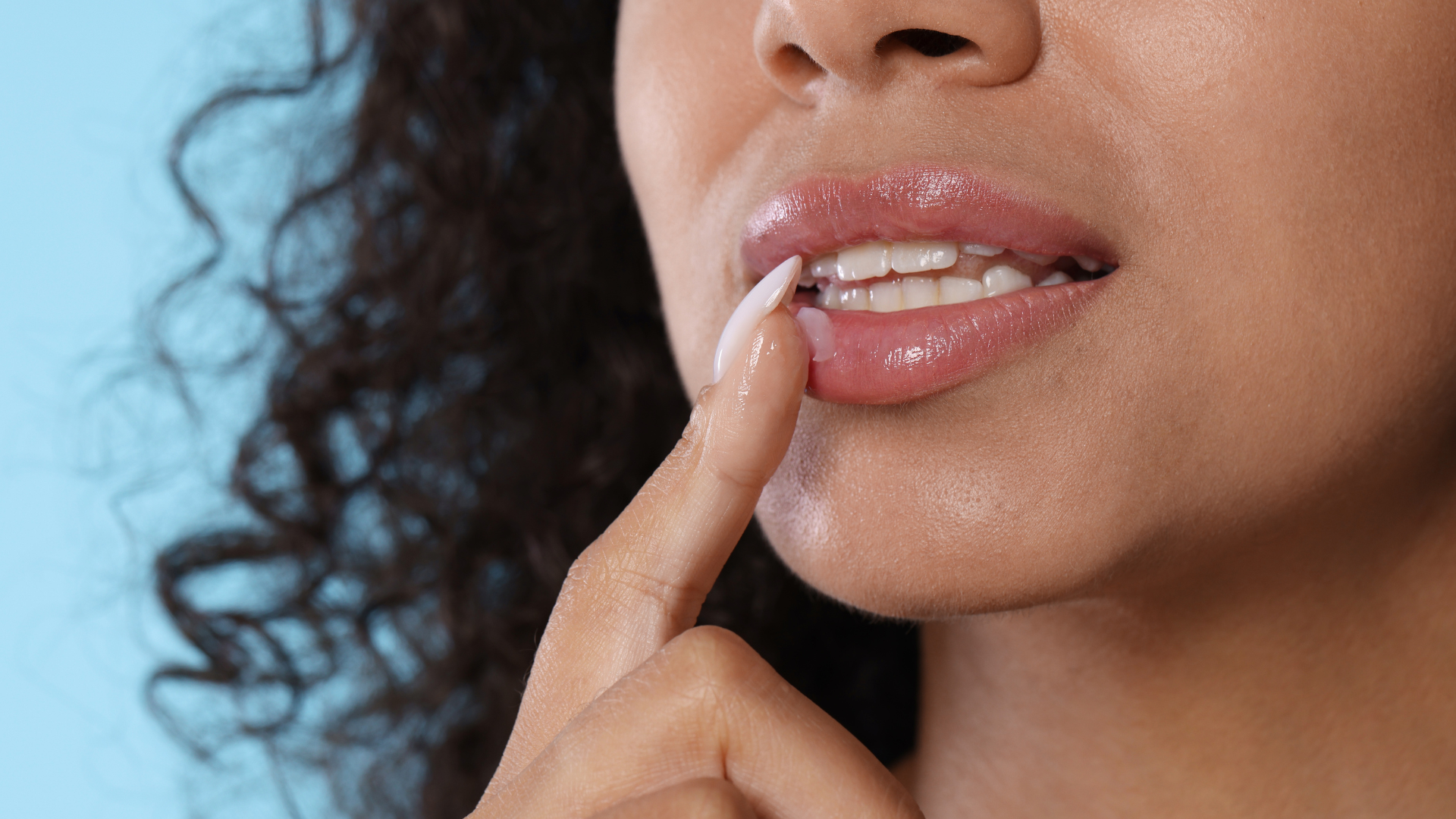
Hyaluronic acid is kind of the hero of hydration. Naturally present in the skin, capable of retaining a lot of water, and genuinely useful when you want smoother, plumper, "fuller" skin.
But here too, there's a detail many ignore: there are hyaluronic acids of different molecular weights. And that changes everything.
High weight vs. low weight: two different effects
- high molecular weight: mostly stays on the surface, hydrates, smooths, strengthens the barrier, great for sensitive skin
- low molecular weight: smaller, can penetrate a bit deeper, plumps more, but can be less well tolerated on some reactive skin types if the formula is aggressive
- multi-weight (often the best compromise): a blend of sizes to act at multiple levels
And there are also modified, cross-linked, or encapsulated forms. The principle: extend hydration, improve staying power, avoid the "it works for 2 hours and then nothing" effect.
The myth of "hyaluronic acid dries out the skin"
You hear it everywhere. In some cases, there can be a feeling of tightness if:
- you apply it alone, on dry skin, in a very dry environment
- you don't apply anything on top to seal in the hydration
- the formula contains irritating solvents
The solution is simple: apply to slightly damp skin, then put a cream on top. And drink water, yes. Without going crazy with 3 liters a day either.
What you can expect from hyaluronic acid
- often rapid plumping effect
- less visible dehydration lines
- brighter, "smoother" skin
- better overall comfort
It's not the active ingredient that rebuilds the structure. It's the active ingredient that makes the skin visibly more beautiful, faster. And frankly, that matters.
Which is the most powerful? It depends on your problem
I know, it's a bit of a frustrating answer. But it's the truth.
Here's a simple breakdown:
- if you primarily have dehydration lines, tight skin, a crinkled texture: hyaluronic acid first, then peptides
- if you feel a loss of firmness, less toned skin, a slightly sagging jawline: peptides + a routine that stimulates collagen, and topical collagen if well-formulated (microstructure, crystallized micro-cones, etc.)
- if you want a comfortable effect, more supple skin, immediate smoothing: collagen + hyaluronic acid
- if you have sensitive skin, redness, a fragile barrier: high molecular weight hyaluronic acid + anti-inflammatory peptides, and collagen primarily for support
And to be clear: these active ingredients are not enemies. They combine very well. Often, that's when it gets interesting.
How to integrate them into a routine without multiplying 12 serums
Not everyone wants to do a 9-step routine. Neither the time nor the energy. So, a realistic version:
Simple morning routine
- gentle cleanser
- hyaluronic acid serum (or multi-active with HA)
- moisturizer (preferably with peptides, or barrier cream)
- SPF, every day. Yes, even when it's cloudy.
Because really. You can use the best peptides in the world, but if you're getting daily UV exposure, you're taking two steps forward and three steps back.
Simple evening routine
- makeup remover if needed + cleanser
- peptide serum, or well-formulated collagen treatment
- cream
And if you already use powerful active ingredients like retinoids or exfoliating acids, you can alternate. Peptides and hyaluronic acid generally integrate well, but skin has its limits.
Classic mistakes (the ones that make it seem like "it's not working")
- changing products every 2 weeks
- seeking an anti-aging effect without SPF
- using basic collagen thinking it will "rebuild" the skin
- applying hyaluronic acid without anything on top
- choosing overly fragranced or alcoholic formulas on sensitive skin
- confusing immediate effect (smoothing) with long-term effect (structure)
One more detail: many people expect a miracle on wrinkles that have been there for 10 years. These active ingredients improve, optimize, and slow down the process. For strong transformations, you often step outside the realm of cosmetics.
Conclusion: the winning trio, but not just any way
If I had to summarize without going on too long, but we have time here:
- peptides: excellent for skin firmness and quality, more as a foundational treatment
- collagen: very good for comfort and smoothing, but to demonstrate true efficacy beyond the surface, it must be integrated with serious techniques, such as microstructure and crystallized active ingredient micro-cone technology
- hyaluronic acid: the most reliable for quick plumping and hydration, especially in its multi-weight version
The most powerful, in the end, is rarely a single active ingredient. It's a well-constructed formula, used long enough, with consistent sun protection. And skin that is respected a minimum. There you have it.
Frequently asked questions
Why do peptides, collagen, and hyaluronic acid dominate the anti-aging skincare market?
These three active ingredients target the main signs of skin aging: loss of collagen and elastin leading to sagging, decreased hydration causing folds and fine lines, slowed cellular repair affecting texture and complexion, as well as a weakened skin barrier. When well-formulated, they can result in denser, more comfortable, and fresher-looking skin.
What is a peptide and how does it work on the skin?
A peptide is a small chain of amino acids that acts as a messenger to the skin. Depending on their type, peptides can stimulate the production of collagen and elastin, calm inflammation, improve cellular repair, or even subtly relax muscles for a 'botox-like' effect.
What are the different types of peptides found in anti-aging skincare?
There are several categories: signal peptides that encourage collagen and elastin synthesis; carrier peptides that facilitate the delivery of trace elements like copper; neuromodulatory peptides with a slight muscle-relaxing effect; and finally, anti-inflammatory peptides useful for sensitive or redness-prone skin.
What results can be expected from a peptide-based treatment and how long does it take?
The effects of peptides are gradual. Generally, after 6 to 12 weeks of regular use, one can observe firmer-feeling skin, reduced fine lines, especially those related to dehydration, improved elasticity, and a more even complexion if the formula is well-designed. It's not an immediate spectacular effect, but a lasting improvement.
How to choose an effective peptide product without being misled?
It's important that the product clearly states which peptides it contains (e.g., palmitoyl tripeptide 1, acetyl hexapeptide 8). Avoid generic formulas that do not specify the type of peptides. Also, prefer formulations without denatured alcohol if your skin is sensitive to preserve the effectiveness of the active ingredients.
Why can some anti-aging peptide-based products be disappointing?
Efficacy strongly depends on the form of peptides used, their concentration, how they are formulated, and the skin type. A poorly designed product or one with a low concentration will not yield visible results despite its high price. Therefore, it is important to choose scientifically validated formulas adapted to your skin profile.