Your Skin, a Mirror of Your Stress: How Stress Impacts Your Complexion
Your skin, a mirror of your stress: how stress impacts your complexion. It's well known that stress has a devastating effect on our overall health, but its influence on the skin is often underestimated. Understanding the link between stress and skin health is crucial for maintaining general well-being. When we are stressed, our bodies react by releasing hormones that can directly affect the appearance and health of our skin.
- Stress and skin: stress triggers a series of chemical responses in the body that can manifest as skin problems such as acne, eczema, or even premature aging.
- Importance of well-being: understanding how stress impacts your complexion is not just a matter of aesthetics, but also of holistic health. Better stress management can significantly improve your skin's appearance and your overall quality of life.
Adopting a proactive approach to these factors can transform not only your appearance but also your mental and physical well-being.
Stress: a mirror of our emotions

Stress acts as a mirror of our emotional state, often revealing what is happening inside us. When faced with intense stress, our body reacts by displaying physical symptoms, especially on the skin. Emotions such as anxiety, anger, or sadness can trigger physiological responses visible on our complexion.
The mind-body connection plays a crucial role in this dynamic. A disturbed state of mind can accentuate skin manifestations, highlighting the importance of managing one's emotions to preserve skin health. For example, a period of prolonged stress can lead to skin breakouts or worsen pre-existing conditions like acne.
The emotional response to stress is not limited to facial expressions; it also influences internal processes, thereby altering external appearance. By recognizing this interaction, you can better understand how stress impacts your complexion and take steps to balance your emotional and physical well-being.
Body's chemical response to stress and its impact on the skin
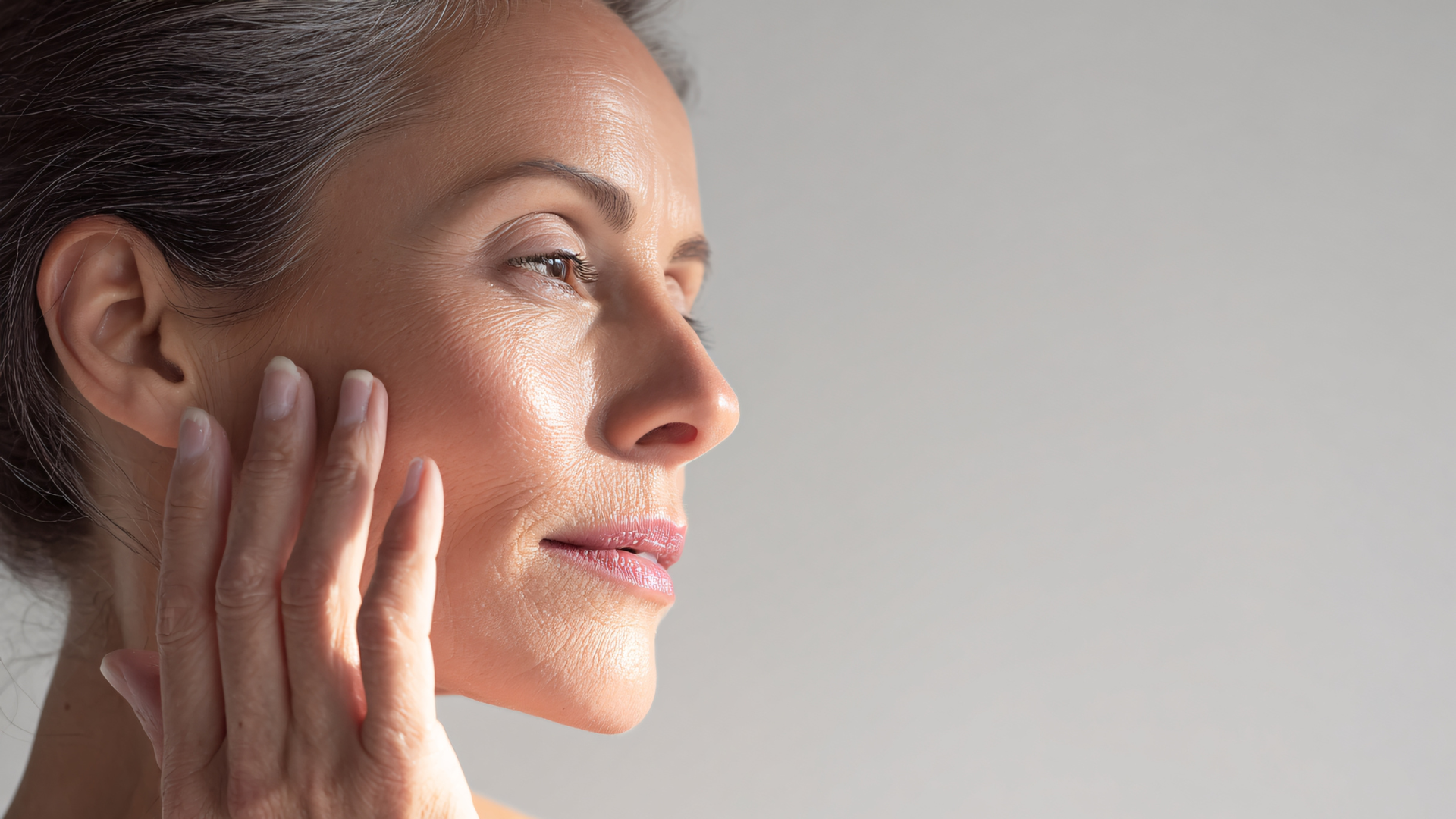
Stress triggers a cascade of chemical reactions in the body, primarily orchestrated by hormones such as cortisol. This hormone, often called the "stress hormone," has a direct and significant effect on the skin.
- Skin reactivity: cortisol increases skin reactivity, making it more susceptible to irritation and infection. The skin barrier can be compromised, leading to moisture loss and increased vulnerability to external aggressions.
- Impact on sebaceous glands: cortisol stimulates the sebaceous glands, increasing sebum production. This overproduction is a key factor in the appearance of acne, by clogging pores and promoting skin inflammation.
- Skin inflammation: elevated cortisol is also associated with an increase in inflammatory markers in the body. This often manifests as conditions like eczema, where the skin becomes red, dry, and irritated.
The complex interaction between cortisol and these various bodily responses illustrates how stress can directly alter our physical appearance. These mechanisms highlight the importance of stress management for maintaining healthy, radiant skin.
Skin conditions aggravated by stress
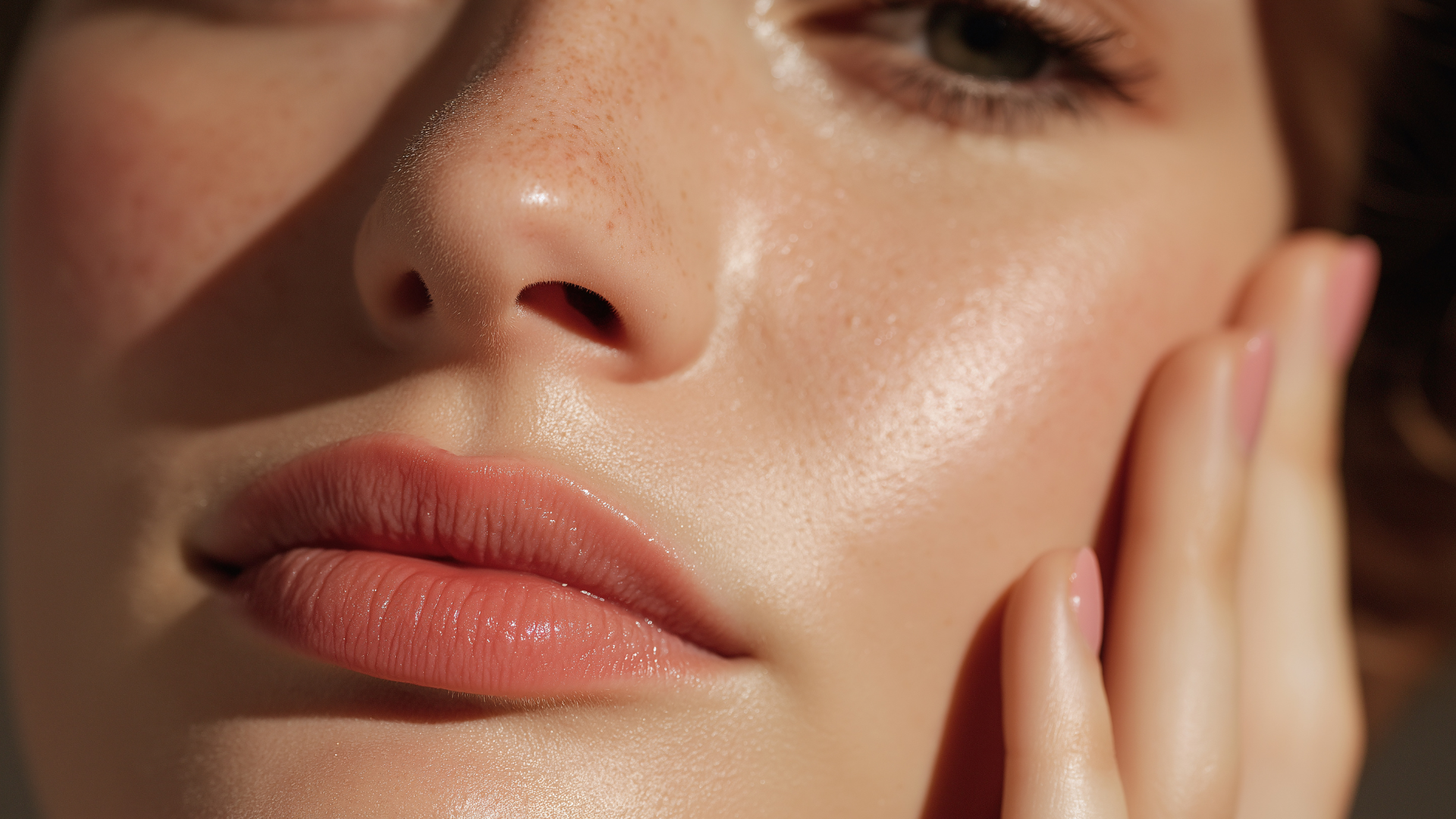
Stress acts as a powerful catalyst for many skin conditions, exacerbating their severity and frequency. Acne, eczema, and psoriasis are particularly sensitive to this unstable emotional state.
1. Acne
Stress increases the production of cortisol, a hormone that stimulates the sebaceous glands to produce more sebum, which can clog pores and cause breakouts. Acne flares thus become more frequent and severe.
2. Eczema
People suffering from eczema may notice an aggravation of symptoms, such as intense itching and increased redness during periods of stress. This phenomenon is explained by an amplified inflammatory response in the skin.
3. Psoriasis
This autoimmune condition often manifests as red, scaly patches on the skin. Stress can intensify these symptoms by activating the immune system, thus triggering more frequent and painful flare-ups.
Concrete examples include fever blisters, often caused by the herpes simplex virus, which can be reactivated by stress. The skin then becomes a true mirror reflecting our internal state, reminding us of the importance of effectively managing our stress to maintain a healthy complexion.
Premature aging linked to stress: a blow to our complexion
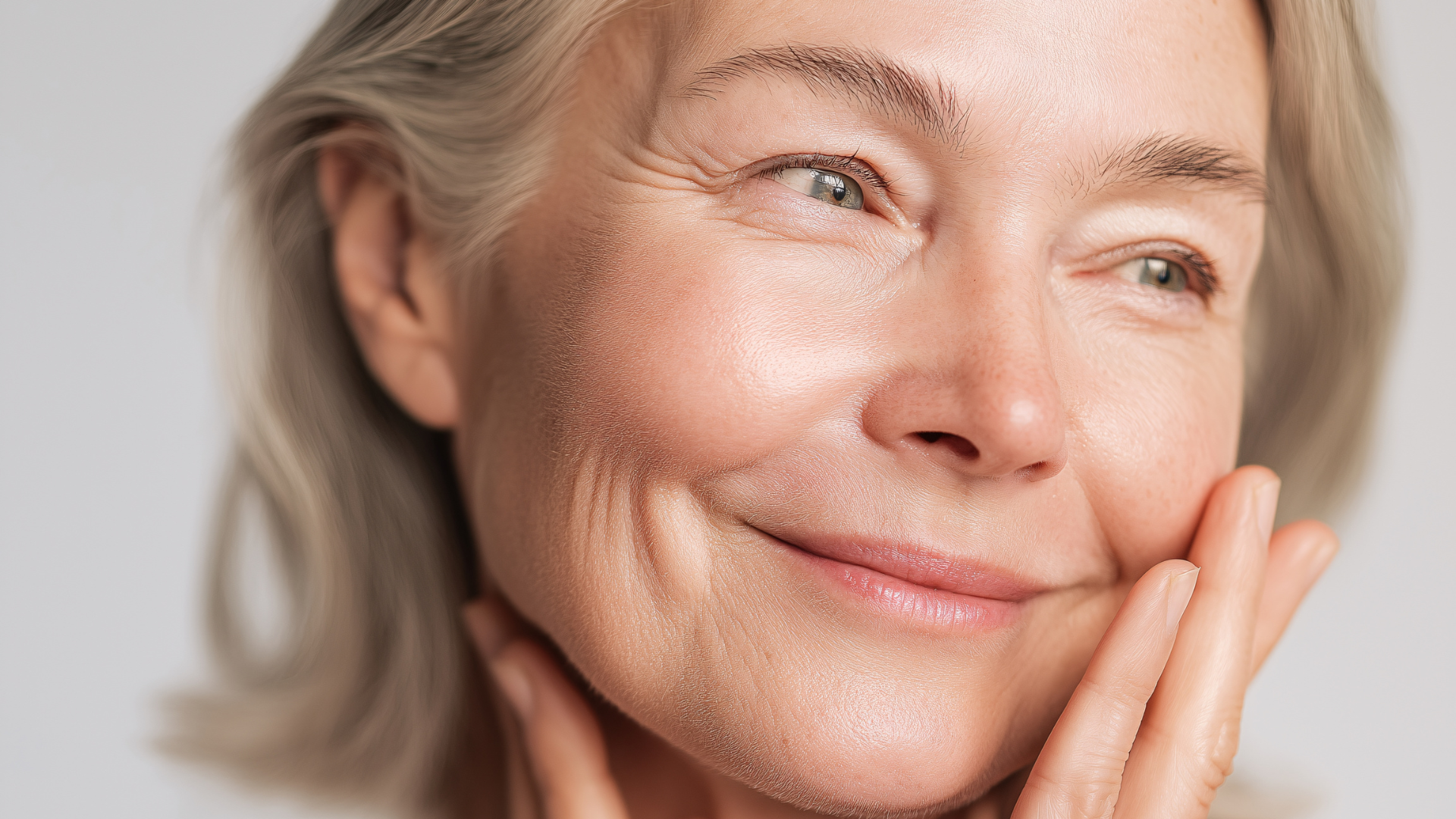
Chronic stress is not just a mental burden; it also leaves visible marks on our skin. When the body is subjected to constant stress, the production of collagen, a protein essential for skin firmness and elasticity, is compromised. Collagen acts as a support structure for the skin, and without it, wrinkles and fine lines appear more quickly.
Under stress, the body releases an increased amount of cortisol, a hormone that can accelerate collagen breakdown. This process leads to a loss of elasticity, making the skin more prone to sagging. Signs of skin aging therefore appear prematurely, with more pronounced features and a decrease in tone.
The effects do not stop there. Stress also causes changes in skin hydration, exacerbating the appearance of wrinkles through skin dryness. Stress-related behaviors such as lack of sleep or an unbalanced diet also negatively influence the radiance of the complexion.
By adopting strategies to effectively manage stress, one can slow down this premature aging process and maintain a young and healthy complexion.
Microstructure patches for skin care
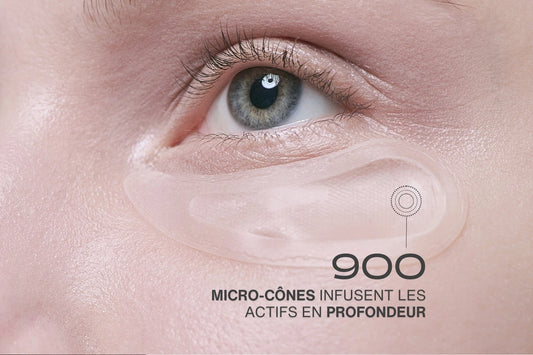
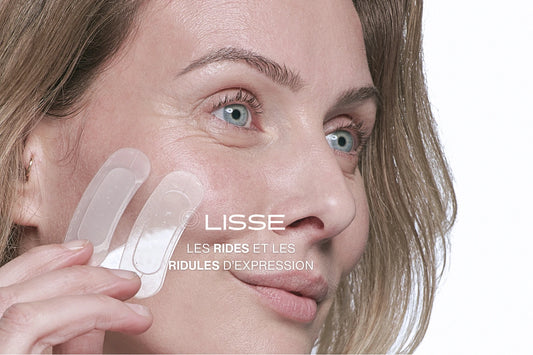
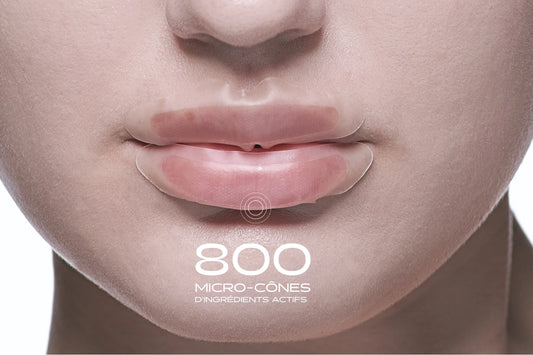
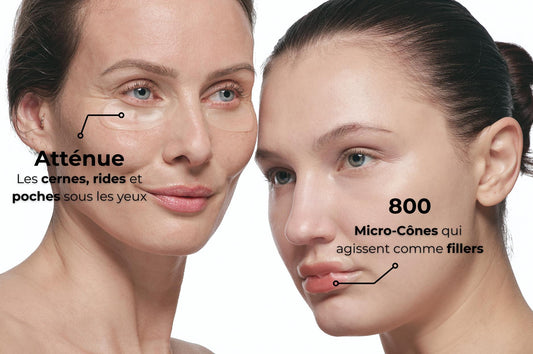
Microstructure patches represent a revolutionary technological advance in skin care. This innovation is distinguished by its ability to deliver active ingredients directly into the deep layers of the epidermis. Unlike traditional topical creams, these patches use tiny soluble needles that lightly penetrate the skin's surface, thus allowing more efficient absorption of beneficial substances.
Why choose microstructure patches?
- Increased effectiveness: the patches precisely target areas requiring particular care. They are often soaked in components such as collagen and hyaluronic acid, known for improving skin elasticity and reducing the appearance of wrinkles.
- Painless application: although the term "needles" may seem intimidating, these structures are designed to be completely painless while maximizing treatment effectiveness.
- Visible results: users report a noticeable improvement in skin texture and complexion after a few applications, thanks to deep hydration and stimulation of cell renewal.
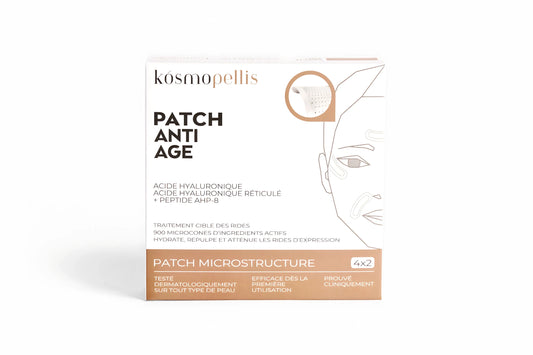
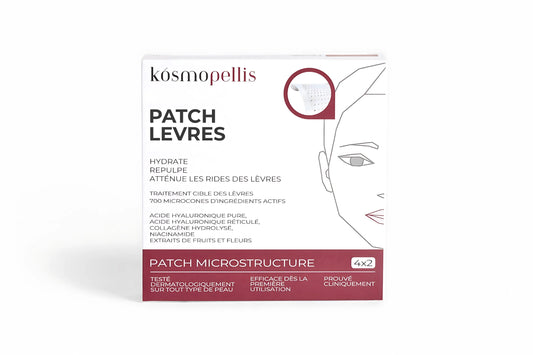
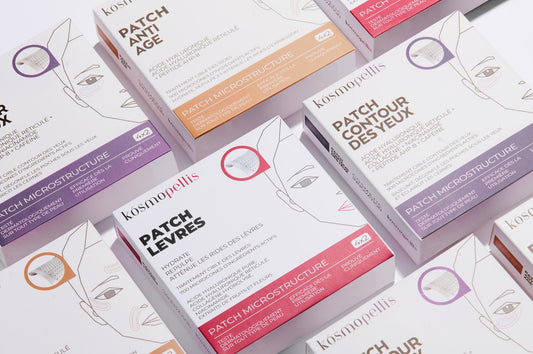
Kósmopellis microstructure patches thus offer a modern and innovative solution to combat visible signs of stress-induced skin aging, while strengthening the skin's natural barrier.
Practical strategies for managing stress and preserving skin health daily
Stress, a mirror of your emotional state, can have visible repercussions on your skin. Adopting effective Stress Management (Ten practical tips to reduce stress.) strategies is crucial. Here are some beneficial approaches:
- Meditation: practicing meditation regularly helps calm the mind and reduces cortisol levels, the stress hormone. A daily session of 10 to 15 minutes can make a noticeable difference in your skin's appearance.
- Yoga: integrating yoga into your daily routine offers a dual benefit: mental relaxation and improved blood circulation. Inverted postures, for example, promote good oxygen and nutrient supply to the skin.
- Relaxation techniques: deep breathing, visualization exercises, or listening to soothing music are excellent methods for relaxing the mind. These practices reduce accumulated tension, thereby improving skin health.
- Adapted care: using gentle and moisturizing products helps maintain an intact epidermal barrier. Consulting a dermatologist to personalize your routine can also optimize results.
Taking care of your mind is intimately linked to taking care of your skin. Adopting these practices can help you regain a radiant complexion and reduce the negative impacts of stress on your skin.
Conclusion
Adopting a holistic approach to managing stress and improving complexion is essential for maintaining a healthy balance between mental health and skin well-being. Skin, a true mirror of your stress, directly reflects the effects of emotional tension on your body.
- Mental strategies: integrating relaxation practices such as meditation and yoga into your daily routine can significantly transform your state of mind, thereby reducing the harmful effects of stress on the skin.
- Physical care: particular attention to your skincare regimen, including the regular use of moisturizers and sun protection, strengthens the epidermal barrier against external aggressions.
The combination of these practices allows you not only to preserve a radiant complexion but also to improve your general well-being. Investing in these strategies is a step towards a more balanced life where mental and physical health harmonize for optimal skin well-being.