Wrinkles vs. fine lines: understanding the difference for better treatment
People confuse the two all the time. Even in ads, even with serious brands, even between girlfriends in front of the mirror at 8 AM. "I have fine lines," "no, those are wrinkles," "it's the same thing." In reality… not really. Not entirely.
And it's not just a vocabulary detail. Because if you don't treat the right thing, you waste time, money, and end up with a ten-product routine that changes nothing.
So, we're going to keep it simple, clear, and concrete. Fine lines and wrinkles are in the same family, but not the same stage. And they don't respond to the same levers.
Fine lines and wrinkles: the difference in one sentence
- Fine lines: superficial micro-lines, often linked to dehydration, repeated movements, or the first loss of collagen.
- Wrinkles: more marked and deeper, established folds, linked to skin aging (collagen, elastin), sun, gravity, and repeated expressions.
There you go. But we'll go into more detail, because that's where it becomes useful.
Fine lines: what they really look like
Fine lines are often what you see when the skin lacks water or when the skin barrier is fatigued.
Some very typical signs:
- they appear mostly when you smile, or when you squint, and they fade when the face is at rest
- they are more visible after cleansing, when the skin feels a little tight
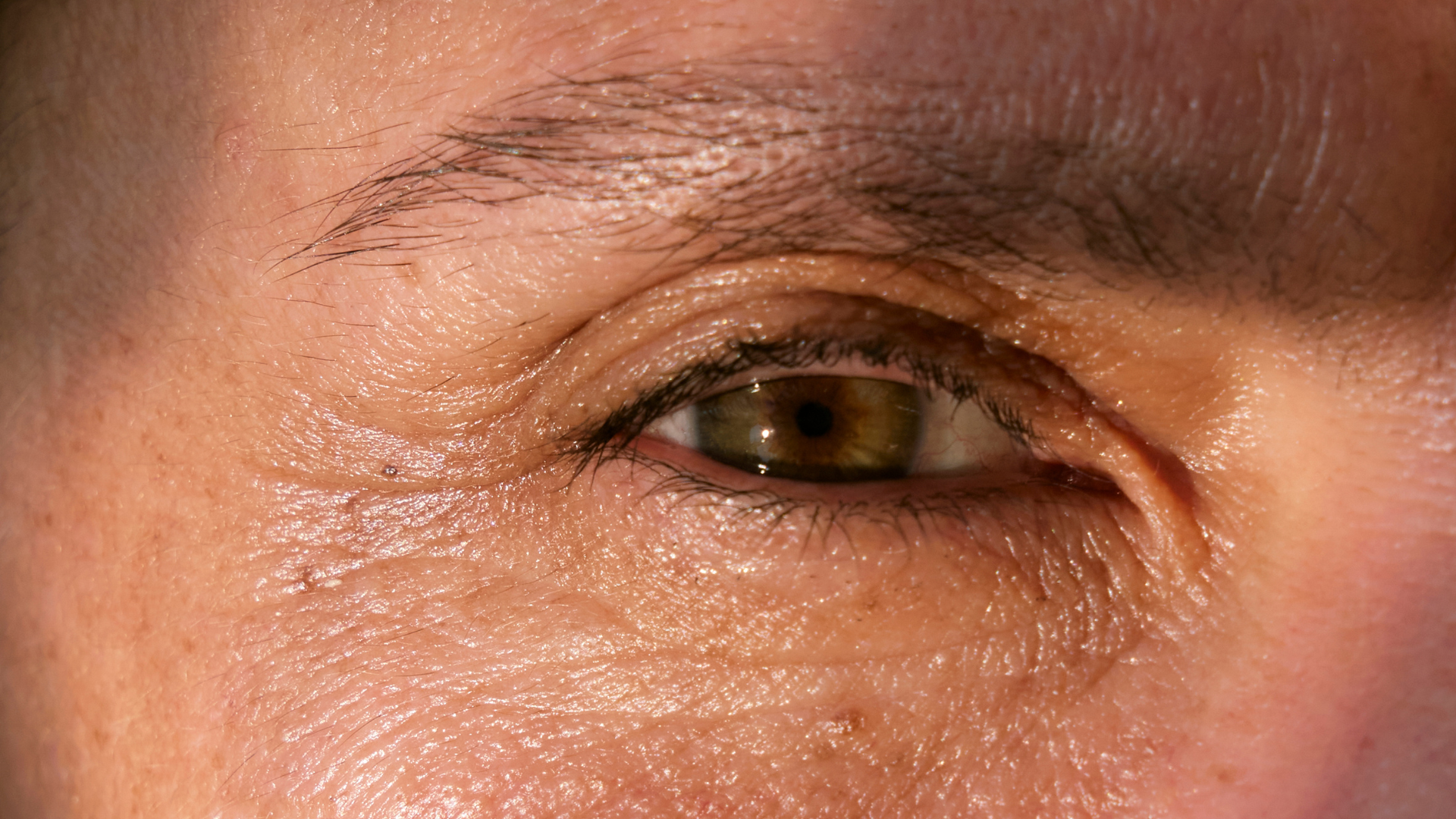
- they give a "creased paper" or "crumpled skin" effect on certain delicate areas: eye contour, lips, cheeks
- they are more visible in grazing light, or with makeup that settles into them
And a detail that many notice without putting a name to it: some fine lines change with the season. In winter, heating, cold, dry air, bam. In summer, you sweat a little, the skin seems more supple, they are less visible. Not always, but often.
The two main categories of fine lines
- Dehydration fine lines: skin lacking water, altered skin barrier, overly harsh routine, lack of lipids, etc.
- Early fine lines related to age and expressions: onset of collagen loss, first creases linked to repetitive movements.
The two can coexist. And that's where it gets confusing.
Wrinkles: when they settle in for good
A wrinkle is a structure that has become deeply etched. Not just a surface line. It is often visible even at rest, and it tends to "remind you" no matter what you do.
Very common examples:
- frown lines (between the eyebrows)
- nasolabial folds (from nose to mouth)
- crow's feet (corners of the eyes)
- forehead wrinkles
- marionette lines (corners of the mouth downwards)
Why do they appear?
- decrease in collagen and elastin
- glycation (collagen becomes more rigid, less flexible)
- loss of fat and support in certain areas
- photoaging: the sun, again and again
- repetitive movements + skin that recovers less well
- and yes, gravity, slowly but surely
A wrinkle is rarely "just a lack of cream." It's deeper than that.
How to tell if you have a wrinkle or a fine line

A simple test, no equipment, no panic.
- Cleanse your face, gently pat dry.
- Look in natural light, then in grazing light if you can.
- Apply a fairly rich moisturizer, wait 10 minutes.
- Look again.
- If the line clearly fades after hydration: it is most likely a fine line (or a very nascent wrinkle).
- If it remains identical: we are more likely looking at an established wrinkle.
- If it moves with expression, but remains somewhat visible at rest: gray area, often the "wrinkle in formation" stage.
Another clue: makeup. Fine lines are easily highlighted by a dry foundation or powder. Wrinkles, on the other hand, tend to create a stable break, a fold.
Why it changes everything for treatment
Because you're not targeting the right mechanism.
- Dehydration fine line: you can achieve visible results in a few days or weeks, with hydration, barrier support, gentleness.
- Established wrinkle: you're talking about remodeling, stimulation, preventing worsening, and sometimes aesthetic medicine if you want a real "before and after."
That's the reality. And that's okay.
The most common causes of fine lines
We'll make a clear list, because often it's a mix.
- Overly aggressive cleansers, too frequent exfoliations
- Too many irritating active ingredients at once (retinoid + acids + strong vitamin C, without an adaptation phase)
- Dry air, heating, air conditioning
- Lack of sleep, stress, inflammation
- Sun exposure without protection
- Naturally thin skin, especially around the eyes
- Smoking, alcohol, and generally anything that dehydrates
And a classic trap: believing that oily skin = no need for hydration. False. You can have oily and dehydrated skin, and then fine lines suddenly appear.
The most common causes of wrinkles
These are more "structural":
- Natural aging: gradual decrease in collagen, elastin, skin hyaluronic acid
- Sun: daily UVA, even when it's cloudy
- Repeated expressions: forehead, eyebrows, eyes
- Loss of density and volume over time
- Glycation: diet very rich in sugars, high-temperature cooking, etc., it's not the only factor, but it plays a role
- Chronic inflammation: pollution, stress, poor skin tolerance, dermatoses
We don't control everything. But we can influence many things.
How to treat fine lines: simple and effective strategy
If you suspect fine lines, especially dehydration, the goal is twofold: bring water back and keep it there.
1. Return to a gentle routine for 2 to 3 weeks
Yes, even if it frustrates you. Because if your skin is irritated, nothing works well.
- Gentle, non-stripping cleanser
- No grainy scrubs
- Limit acids if it stings or peels
- A good moisturizer, morning and night
2. Useful moisturizers: what often works
Look for ingredient families, not a magic brand:
- humectants: glycerin, hyaluronic acid, panthenol, urea (low %)
- emollients: squalane, ceramides, suitable oils
- light occlusives: dimethicone, shea butter depending on your tolerance
Very practical tip: apply your hydrating serums to slightly damp skin. Not soaking wet. Just a little damp. It makes a big difference.
3. Sun protection: yes, even for fine lines
Because otherwise you're filling a leaky bucket.
SPF 50 in the morning, especially if you use active ingredients, and especially if you are often near a window, in a car, or outdoors.
4. Eye contour: caution but regularity
The area is delicate. So avoid overdoing it.
A good, well-tolerated moisturizer + SPF (when possible, without migration into the eye) + possibly a very gentle retinoid if the skin tolerates it. Slowly.
How to treat wrinkles: what is realistic

For wrinkles, the goal is often: slow down, smooth a little, improve skin quality, and sometimes correct.
1. Topical active ingredients that make the most sense
- retinoids (retinol, retinal, adapalene depending on country and context): collagen stimulation, texture, fine to moderate wrinkles
- vitamin C (ascorbic acid or derivatives): antioxidant, radiance, collagen support
- niacinamide: barrier, inflammation, texture
- peptides: variable depending on formulas, but often interesting as support
- acids (AHA, PHA): texture, radiance, but use in moderation
The trick is tolerance. Better 3 times a week for 6 months than every day for 10 days then abandoning.
2. The most underrated duo: retinoid + SPF
I repeat it because it's really true.
- Retinoids stimulate and improve.
- SPF prevents degradation.
Without SPF, you progress and regress at the same time.
3. Facial massage and posture: helpful, but let's not oversell it
Massage can help with circulation, relaxation, "creased" appearance, and tension. For some expression lines, relaxing a little can visually improve them. But it doesn't replace an anti-UV and stimulation strategy.
And posture, especially "tech neck": yes, neck folds can become more pronounced. Raise your screen, stretch, hydrate, SPF on the neck. We always forget the neck.
4. And aesthetic medicine in all of this
If you want a noticeable change on established wrinkles, certain options exist. Discuss with a qualified professional:
- botulinum toxin for pronounced expression lines
- hyaluronic acid injections for certain volume losses, folds, etc.
- lasers, radiofrequency, microneedling: texture, stimulation, pores, fine lines, some wrinkles
It's not "mandatory." But it's often what gives the most visible results when the wrinkle has been there for a long time.
Classic mistakes that worsen wrinkles and fine lines
I see them all the time, and sometimes I make them too, so no judgment.
- Over-exfoliating because you want to smooth quickly
- Changing routines every week
- Applying a strong active ingredient to already peeling skin
- Forgetting SPF, or applying too little
- Pulling on the skin when removing makeup
- Neglecting sleep and overall hydration (yes, drinking water doesn't replace cream, but fatigue shows on the skin)
And one last thing: "botox effect" products promised in 48 hours. This sometimes exists for temporary tightening. But temporary. Don't base your entire strategy on that.
What simple plan to follow depending on your case
If you mostly have fine lines
- Gentle routine
- Hydration + ceramides
- Daily SPF
- A light active ingredient next: niacinamide or a gentle retinoid if tolerated
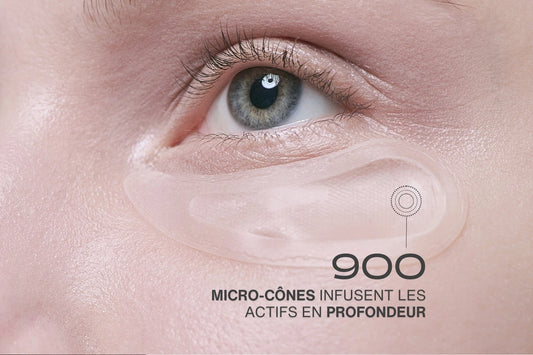
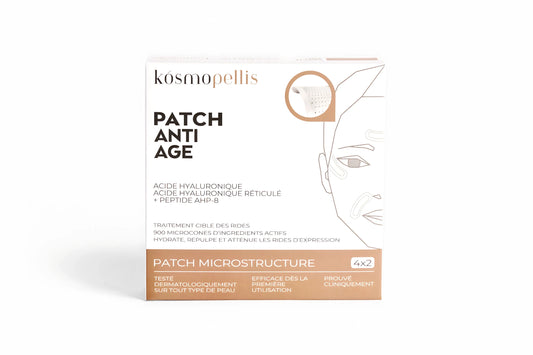
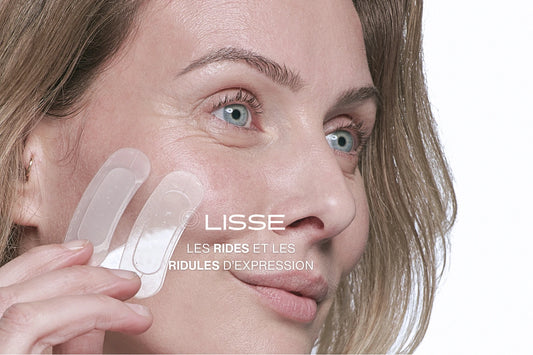
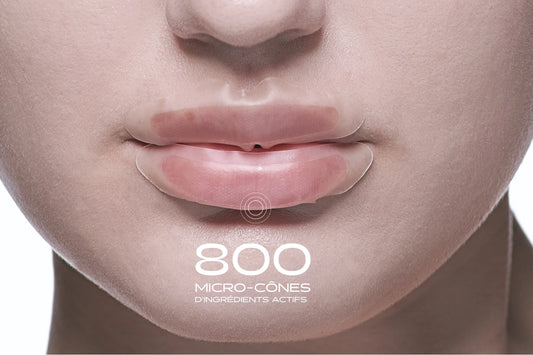
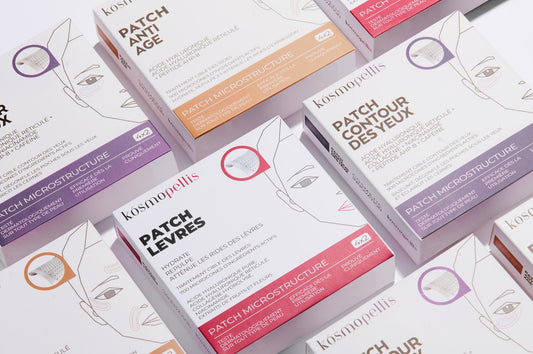
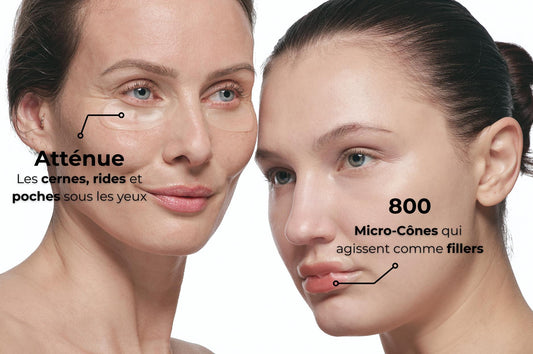
- Microstructure patch
If you mostly have wrinkles
- Serious SPF every day
- Progressive retinoid
- Antioxidants in the morning (vitamin C or other)
- Patience: results are more in months, not days
- Option: dermatologist or aesthetic consultation if correction is the objective
Conclusion: better naming for better treatment
Fine lines are often the skin saying "I'm thirsty" or "I'm tired." Wrinkles are the skin saying "I'm changing structure." It's not sad, it's not dramatic, it's just different.
And once you make the distinction, everything becomes simpler. You stop chasing the miracle product, you build a consistent routine, and then... yes, you see something.
Not necessarily a face without any lines. But skin that is more comfortable, more even, more radiant. And frankly, that's visible too.
Frequently asked questions
What is the main difference between fine lines and wrinkles?
Fine lines are superficial micro-lines often linked to dehydration or the first signs of collagen loss, while wrinkles are deeper and more marked folds linked to skin aging, gravity, sun, and repetitive movements.
How do I recognize a fine line on my skin?
Fine lines appear especially during expressions like smiling or squinting, they fade at rest, give a crumpled skin effect on delicate areas like the eye contour, and are more visible after cleansing or in grazing light.
What are the main causes of wrinkles?
Wrinkles are caused by a decrease in collagen and elastin, glycation which stiffens collagen, subcutaneous fat loss, photoaging due to sun exposure, repetitive movements, and the effect of gravity.
How do I know if I have an established wrinkle or a fine line?
After cleansing your face and applying a rich moisturizer, observe the line in question: if it clearly fades, it's probably a fine line; if it remains identical even after hydration, it's an established wrinkle; if it moves with expression but remains visible at rest, it's an intermediate stage.
Why is it important to differentiate between wrinkles and fine lines in my beauty routine?
Because treating a wrinkle like a fine line or vice versa can waste time and money. The two have different levers: fine lines often require increased hydration, while wrinkles require deeper care targeting collagen and elasticity.
Do fine lines change with the seasons?
Yes, fine lines are often more visible in winter due to heating, cold, and dry air that dehydrate the skin. In summer, with perspiration and more supple skin, they may appear less noticeable.